
Tag Archives for " social media "

2021 Social Media Benchmark Report: 4 Takeaways for Your Social Refresh
Take a peek into the Convince & Convert team messaging threads and you’ll find us sharing all sorts of research and new data. In fact, when the Rival IQ 2021 Social Media Benchmark report was first released, Corynn shared it with the note, “TL;DR–everyone needs more carousels.”

You can stop reading now if that’s all you need to refresh your social content plans. But for the rest of you, I’ve got a few more ideas.
The Social Media Benchmark report is an annual study from Rival IQ, our friends in the social content performance data business. The 2021 edition evaluates thousands of brand accounts across 14 industries to set the benchmarks that marketers use to measure social content performance.
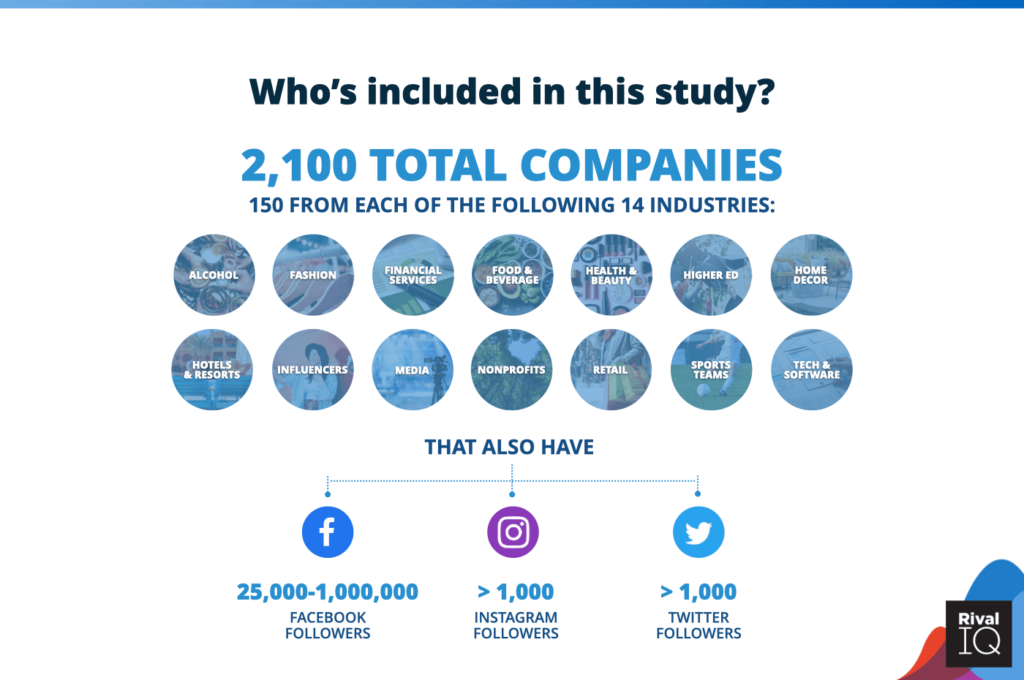
Keep in mind that most of the data analyzed were pulled from 2020/early 2021. Social media platforms are constantly shifting their algorithms to respond to new content types, technology, and audience habits.
What is presented in any benchmark study shouldn’t be taken as gospel, but it does enlighten how to plan for your 2022 social media content strategy.
4 Cues For Your Social Media Strategy Refresh
1. Posting every weekday may be “expected” but is not necessary.

Creating enough content to post once a weekday on each channel is a common expectation of social teams. Yet as social media engagement rates decline or stay stagnant, brands respond with fewer main feed posts on each channel.
Rival IQ discovered that brands posted on Facebook on average the most per week; but outside of Media brands sharing 53.5 posts a week (7.5 a day!), the average was 5.5 posts weekly.
We’ll take the exception with the finding that brands are only posting content on Instagram four times a week. The API that makes data available is news feed specific. Yet remember that Instagram has 12 different ways in the channel to serve up content or connect with audiences.
This data point is a bit misleading because we can’t accurately benchmark Stories, Reels, Highlights, and Guides with the API.
Twitter was the channel that saw the most volume by brands, almost 3x more tweets than Instagram news feed posts. But Instagram is the clear social media royalty based on Engagements. Instagram audiences responded with more than 7x engagements than on Twitter, on just one-third of the total content.
Quality Over Quantity of Posts Matters Most

No doubt you’ve heard quality outranks quantity. This is especially true for B2B brands that are building content to support longer awareness and consideration timelines in their customer’s decision journey.
Focus on creating less social media content that resonates more with key audiences.
Show up in the nooks and crannies of social media channels; focus on different content outlets, like Reels, Stories, and Reddit threads. Even better, explore participation in ways that create more 1:1 micro-connections with your audience.
Direct interaction with audiences in spaces like AMAs, TwitterChats, Audio Rooms, and even DMs can go a long way with building affinity with audience members.
When everything is important, nothing stands out. So when there is actually an opportunity for different-than-usual content, make it shine. Increase frequency around real-time opportunities, like events, webinars, launches, behind-the-scenes. Take a cue from Media and Sports, which hyper-focus on wall-to-wall coverage of the top story or game day. Media and Sports teams tweeted more than all of the other industries combined.
When everything is important, nothing stands out.
2. Mix Up Content Types

We’ve been saying “Video Wins Social” for several years. While in some instances that can be true, the social media benchmarking data shows that in main news feed posts, actually photos and carousels now outrank videos for engagement.
The algorithm may prioritize video content when it’s available, but audiences care less. The reality is that even today, video is still more difficult for content teams to produce at scale unless it is a core part of the business (media, sports, etc). That’s why video appears less frequently as a post type across most industries.
What can B2B brands do without a consistent video workflow? Remember that in today’s visually dominated social feeds, carousels and photos perform well. Avoid posting a simple status in text-only on Twitter or Facebook, especially when it’s easy enough to include a GIF, image, or infographic.

Carousel impressions are repeated in a user’s news feed if they don’t engage the first time. On subsequent impressions, Carousels will display images two and three. You don’t have to win with the first image in a Carousel. Be sure the second and third ones are just as compelling.
3. Identify And Measure What Metrics Matter
An engagement rate is calculated based on all measurable interactions on a post. Social networks are diversifying how audiences choose to engage with any post on their newsfeed–Facebook alone has up to six emotional reactions along with commenting, sharing, and saving posts.
Does an Angry reaction carry more weight or meaning than a Laugh? How does Love compare to a Share?
A better way to measure engagement is to identify what specific reactions are most valuable for your brand. Metrics are like pizza toppings–each one of us has our favorites, so we tend to always stick with those and overlook the other options.
Measure specific, meaningful reactions as a percentage of total engagements to ensure you don’t lose sight of engagements that move the needle. Padding posts to garner more “Likes” to hit engagement numbers is easy to do — but Likes don’t pay the bills (even for Influencers).
Take a Look at Your Own. Social Metrics
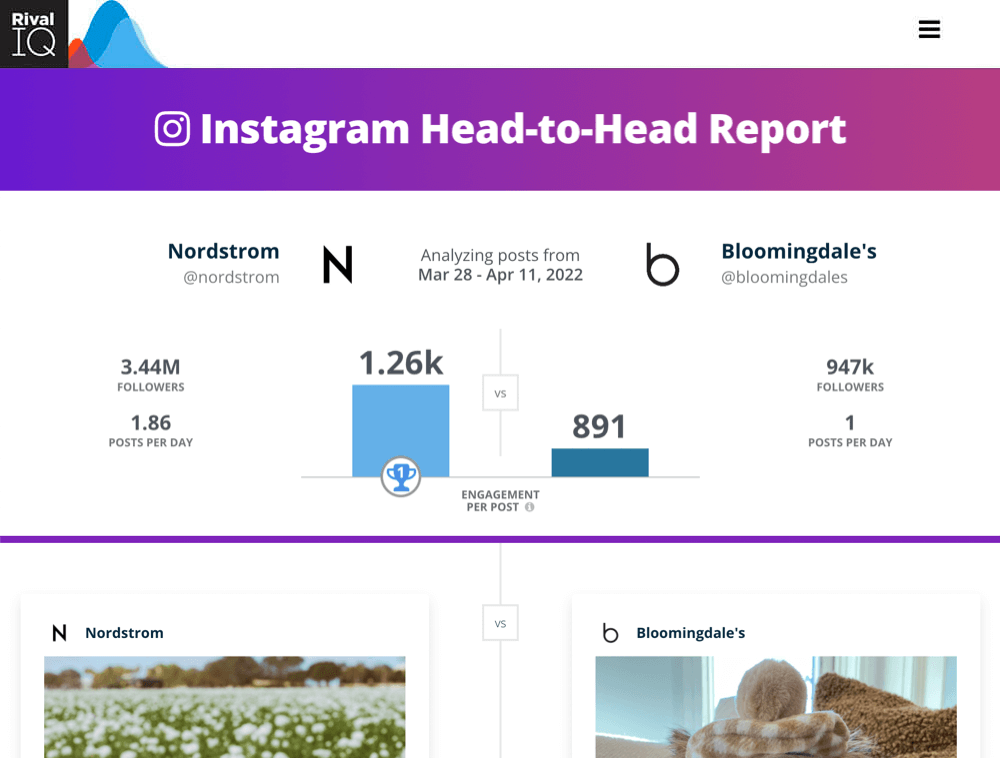
Rival IQ acknowledged a better way to measure engagement rates is by using the engagement rate per post metric. Engagement rate per post is the [best] metric because it controls for post volume and audience size and helps marketers understand how they’re doing in relation to their competitors.
Unfortunately, social network APIs continue to skinny the data that is publicly available, so Rival IQ and others cannot do this type of competitive reporting at scale. But you can with your own native metric reports.
4. Plan Seasonal Content and Align Hashtags Accordingly
Hashtags were all about the holidays on Instagram and Twitter this year, so that signals brands must keep up with content that aligns with the seasons. Work ahead by identifying these in your annual and quarterly editorial calendars and planning.
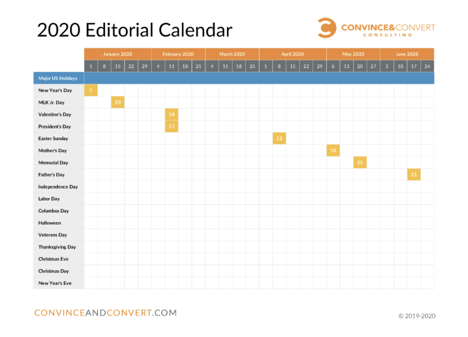
Planning in advance means your team is better positioned to capitalize on seasonal content by finally deploying all the “next year we should do this” ideas that are missed after the fact.
Hashtags that performed consistently well across all industries included: giveaways, alcohol-related, or those relating to holidays and current events. One smart note from the social media benchmark report is that hashtags are not equally used across social media channels.
Use research and hashtag tools to identify the right hashtags and how many to use for each social channel. Update these monthly or quarterly for best effect.
—
Get started with benchmarking and analyzing social content performance with the Head to Head Social Snapshot, where brands can see 1:1 performance against the Rival IQ benchmarks.
Go further by completing a social media audit that identifies the insights to set up strategic decisions for next year’s social media plans. I built a self-paced, free course that explains social auditing and insights, available to guide you through using social media metrics to audit and build social media strategy.
How will you approach social media differently in 2022? Tweet me @LaurenTTeague to let me know.
The post-2021 Social Media Benchmark Report: 4 Takeaways for Your Social Refresh appeared first on Content Marketing Consulting and Social Media Strategy.
Source: convinceandconvert.com

5 Ways To Grow Your Customer Relationships Through Social Selling
Social selling is a tool that almost anyone can add to their professional toolbox. While sales professionals have traditionally applied social selling, it can apply to anyone using relationships and relational marketing in their career. Social selling solves the problem of needing to fill a pipeline and connect with customers by building relationships.
For example, recruiters can use social selling practices to identify prospects, build relationships and grow trust with potential candidates before a job opportunity arises.
Social media doesn’t replace your existing selling or relational tools. Instead, it is a different tool that helps leverage the selling skills and the relationship-building skills that one has already fostered in their career.
5 Ways To Grow Your Customer Relationships Through Social Selling
To explain how social selling helps to grow customer relationships on a one-to-one basis, let’s look at these five ways to use it effectively:
1. Understand what Social Selling Is (and Isn’t)
Social selling is the art of using social media to find, understand, connect with, cultivate and nurture potential sales prospects.
There are four key steps in this process:
- Identify prospects online
- Enrich ideal contract profiles
- Showcase knowledge and expertise
- Build one-to-one relationships
While it seems obvious, it bears repeating:
Social Selling is not Social Media Marketing.
Though both happen on social media platforms, Marketing and Sales use different approaches to achieve very different outcomes.
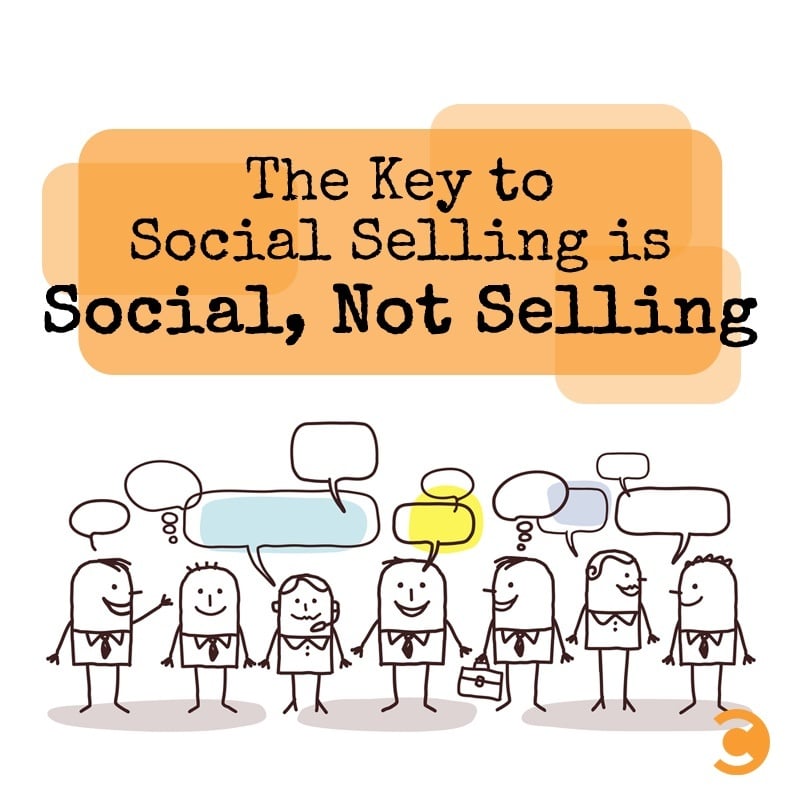
Social media marketing supports driving attention and building affinity at a large scale, with multiple audiences in mind. Organic social media marketing supports the big picture and aims of an organization.
Contrast that with the messages delivered through social selling — messages dialed in for a specific audience through more personalized content. While the Marketing team is broadcasting from one to many, social selling is ideal for that one-to-one communication.
2. Grow Your Network
A key to understanding how best to use social selling is understanding who is really in your audience. When we pull back the curtain and reveal who’s really in our social media audiences, the results are always different than expected. Remember: Those who are paying attention to your channels are not necessarily who is the most active.
In social selling, we must dive into our respective audiences outside of the brand pages.
Think about your own LinkedIn connections and Twitter followers. They most likely include a mix of the following people:
- Prospects
- Co-workers and colleagues
- Industry peers and competition
- Adjacent peers and competition
- Peers from a group, event, or networking event
- Friends, family, and acquaintances
Who do we want in our audience? When social selling, prospects are in our direct line of sight. However, don’t rule out the importance of developing connections with adjacent peers and competitors or others in the peripherals of your network. This is especially true when seeking out who can connect you to a second-level connection.
Build connections by adding value to their newsfeeds. At Convince & Convert, we are true believers that Youtility marketing pays off in dividends. When relationships are founded because we are helping, not selling, we become indispensable.
Transactions happening online take many forms — you may not get a direct sale, but an introduction or a recommendation from your network can lead to additional opportunities.
Focusing on helping people first, rather than only considering the next sale or deal, can build trust with our audience. Youtility is relevant in any form: Information, entertainment, and perspective. There are several ways to put Youtility into play.
When you’re relevant to gain someone’s attention, they permit you to earn their trust. Every salesperson knows that trust is the way to unlock that relationship and get closer to the desired outcome.
3. Be a Good Listener
We coined the term “Acceptable Eavesdropping” to describe the ideal way to listen to existing conversations happening online. Adapting social listening rules to how individuals can eavesdrop pays off in these ways:
- Follow prospects & peers and join the conversation they’re already having
- Comment and engage in content in a relatable way
- Join adjacent and industry groups of your target personas. Participate lightly and gain insights from the
- conversations, questions asked, and answers given.
- Follow relevant hashtags to find new prospects involved in similar conversations.
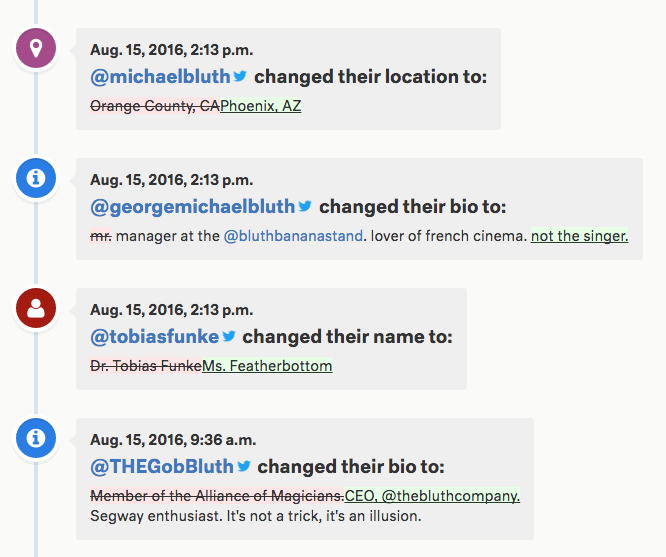
- Use Notifications and tools like Spoonbill.io to identify and react to profile changes.
Credit: Spoonbill.io
Our actions online are generally public unless we expressly limit them. What is posted publicly is available for anybody to eavesdrop on if they know how to do it. From a social selling perspective, listening to existing conversations provides insights that help sellers fine-tune messaging and identify opportunities to contribute.
Comment on and engage with content and conversations, even if it’s not directly related to your sales effort. Applying a Youtility-first mindset, try to add value with any response or answer. Having an actual conversation builds trust and rapport.
Joining and participating in groups that attract your target personas or adjacent can lead to insights into how those individuals generally talk about their business challenges and needs.
One of the early steps I made this year while working on a startup idea was to join groups on Facebook and Reddit that help me identify and note the challenges of users that my idea will solve.
While I am not participating actively, being part of the group allows me to get familiar with this audience group’s challenges, complaints, and celebrations. Those insights are invaluable as I begin to build my product and demonstrate that I identify with the users’ needs from their point of view.
Wherever you choose to listen, do so to connect within your industry or specialty. Use that time to share information and expertise, ask for advice and build relationships. Select the social channels, groups, and hashtags that reflect the communities within your target audiences to get smarter about prospects and current customers.
4. Engage With Purpose
Listening should inform what content to create and share. All content should start from a place of understanding:
- 1) Who are you trying to reach?
- 2) What does that audience care about?
The Convince & Convert team says this all of the time, but it’s true: creating content your audience cares about is a surefire way to help them find you and stay with you.
But too often, employees are creating content that only they or their employer cares about. The effects just aren’t as appealing. We’ve all seen this as we’re scrolling through our newsfeeds, and we scroll right by what isn’t the most relevant or interesting content.
There needs to be a balanced approach between a company’s social marketing strategy and the employees taking ownership of their personal brand.
When directly engaging with your network, remember the golden rule of engagement– add value to your conversations. Do this by researching their industry and tailoring your content to their interests and needs. Be mindful of all information you share.
A good rule of thumb is to avoid using the word “I” in the first ten words of your post, caption, or comment. Engaging from a place of help means the conversation is not about you.

Stop defaulting to the “Like” (thumbs up) reaction. Using these other reactions will stand out among the different reactions, as others do not often use them.
If the post or article is noteworthy, consider sharing it and crediting the author. Send the author a direct message appreciating the post or tag them in your comments.
Use the Articles & Activities section to see what your contacts are commenting on. This will give you important insights into what they are interested in and allow you to open a conversation on a mutual piece of content you have engaged with. If your contact is not posting actively, this may help open a dialogue.
5. Measure the Effectiveness of Social Selling Efforts
Social media is a great way to generate leads, sure. But how can we measure the social selling steps of connecting with an audience, building credibility, and earning their trust? How do you know if your social selling plan is effective?
Here are a couple of ways to measure the effectiveness of social selling efforts.
Social Selling Index:
LinkedIn’s own Social Selling Index can be a barometer for individual progress. According to Linkedin, the SSI is a helpful measure of how a salesperson’s social selling skills and execution come together.
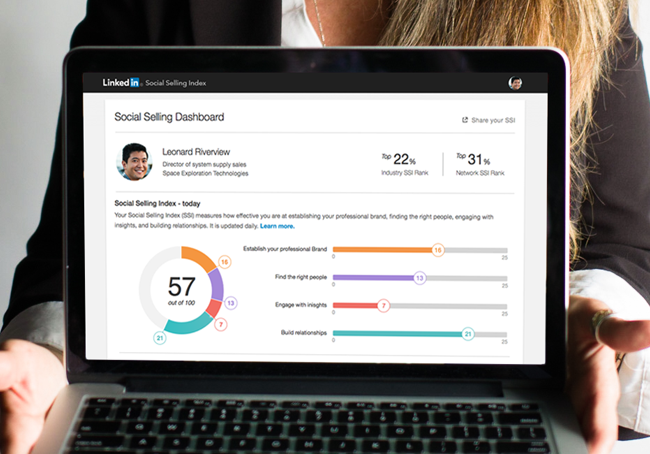
LinkedIn Social Selling Index
This self-report card allows for progress checks over time as a good base for identifying what steps taken are helping. It’s calculated by evaluating four distinct pillars:
- Establishing your professional brand
- Finding the right people
- Engaging with insights
- Building relationships
SSI scores update day to day, providing real-time feedback based on your activity and the health of your network over time. The score is based on a scale of zero to 100, with a maximum score for each pillar being 25.
Linkedin reports that social selling leaders create 45% more opportunities than those with a lower SSI as if we needed an incentive to boost scores. The more consistent you are using LinkedIn, the more significant the impact on your SSI score–but more importantly, the greater impact on your network overall.
Trackable Touchpoints
Making every touchpoint that we have with individuals trackable seems impossible. But in digital, we can get close with the right tools in place. Using data capturing and tracking technology makes it easier to qualify prospects and understand when they’re more ready and open for conversation.

Avoid duplicating Marketing’s role by trying to create campaigns on your own. Instead, it is more effective and more manageable to make individual touchpoints interactive.
Augment your emails and shared content to track when they are opened and viewed. Some of our favorite tools to do this include:
- Video tools that allow for viewability reporting, like Vidyard GoVideo
- Email enhancers like MixMax for automation and Sigstr for signatures
- Campaign URL builders and short URL providers
- SMS Messaging
Go Forth and Prosper
When applying social selling to building relationships with your social network, remember this: Doing it wrong is worse than not doing it at all. Take these ideas, and don’t hesitate to make subtle shifts in how you approach social media individually.

By focusing on the social more than the selling, success will follow.
Need an assist? The Convince & Convert Consulting team offers workshops on how teams can apply social selling to Sales, HR, and Professionals of all kinds.
The post 5 Ways To Grow Your Customer Relationships Through Social Selling appeared first on Content Marketing Consulting and Social Media Strategy.
Source: convinceandconvert.com

‘Tis the Season to Double Down on Social Customer Care (and Protect Your Community Managers)
Just when we thought we, as social media strategists and community managers, could rest up from the twists and turns of the last 18 months, the holiday season is upon us.
It feels like it could be a doozy.
- Global supply chain challenges are causing significant inventory gaps for some.
- A tight labor market causes other delays, shortages, or increased prices.
- Some families are gathering for the first holiday season in two years, and the expectations are HIGH.
Heightened customer expectations and consumer demands equate to a potential increase in the velocity of service inquiries. Sprout Social predicts a rise of 44% more messages on Instagram if last year’s trends continue and a 14% increase in Twitter messages.

Avoid Social Customer Care Burnout
With this challenge, of course, comes new opportunities to provide trust-building service to your potential and current customers.

Before we move into how to mobilize your company to provide extraordinary social customer care, this is a great time to remind everyone reading that social media community managers are grappling with burnout:
- The faucet never stops. You can set hours, scale teams, and establish processes, but this work never turns off.
- Daily jobs can consist of wading through endless hateful comments, especially on platforms like Twitter which is full of a polarized political scene.
- It’s harder and harder to break through and get a significant creative win, especially when expected to wear the hats of designer, video editor, copywriter, strategist, and customer service representative.
That takes us to the first recommendations for activating an excellent customer experience on social media this holiday season:
Train Your Social Care Team
If your social media manager is the only one serving as your organization’s social media customer service center, you need to rethink your approach.
As the demands ramp up, ensure you meet as a team and determine the resources you need to deliver the experience you want. Ideally, integrate your customer service team directly into your social listening inboxes.
Train anyone involved in responding to consumers on social media, so they understand the context of where they are playing, how it’s different from traditional customer service, and the brand’s social media voice and tone.

Establish Guidelines That Encourage Maximum Transparency (and Yes, Even Disappointment!)
During this season, you may not have good news for all. But all complaints or questions need a response.
Decide now how you can be the MOST transparent as possible in your response strategy, understanding that you don’t always (and can’t always) SOLVE the issue, but you can ALWAYS hear the issue.
Edison Research discovered that not answering a complaint results in a 50% decrease in advocacy. However, responding to a complaint results in a 25% increase in advocacy. NOTE: that did not say SOLVING a customer’s issue. Responding alone increases advocacy.
Consider the following:
- What will you not respond to?
- How will you respond to positive comments?
- When do you respond with a full response vs. a simple acknowledgment?
- When will you move conversations “off-stage” and into a more private channel like a DM?
Ensure Your Community Management Team Has The Right Software
If you don’t have a social listening tool in place, now may be the season to invest in a tool. Setting up your tools to make it easy to identify, respond to, and catalog customer inquiries will save huge amounts of time.
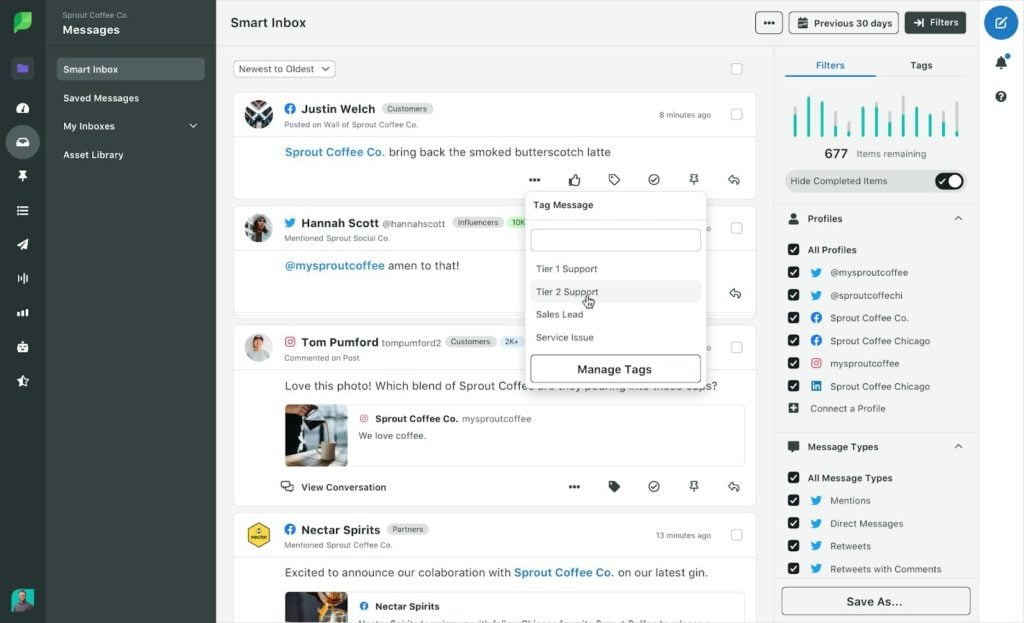
Today, many tools like Sprout Social or Hootsuite that you may already be using for posting have add-ons for listening. There are also stand-alone tools like Meltwater that can provide an extra layer of support.
Make Contacting Customer Service Easy and Accessible
In your social media bios, add other places where customers can receive service along with the hours and contact information.
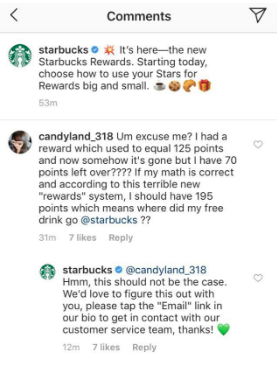
Use Integrated Social Tools To Respond To and Organize Responses
Each social channel has a set of tools that can help you provide information and organize your response.
Program automatic/quick replies for frequently asked questions. On Instagram, set up an FAQ Highlight that answers all frequently asked questions, so people don’t have to leave the app when looking for an answer.

If you aren’t using a social media monitoring system, utilize the message status capabilities within your social media inboxes, so you can filter based on messages that need a response.
May Your Social Care be Merry and Prepared
The best thing leaders can do is equip their teams with the necessary resources to scale social media services smoothly. In the best-case scenario, you won’t need them. But realistically, there will be a point in time where this preparation will ensure a better customer AND employee experience.
The post ‘Tis the Season to Double Down on Social Customer Care (and Protect Your Community Managers) appeared first on Content Marketing Consulting and Social Media Strategy.
Source: convinceandconvert.com

How to Use Social Listening for Lead Generation
Would you like your social media marketing strategy to bring in more leads?
Hardly any business would say “no” to that.
One of the best ways to generate leads from social media (apart from investing in social media advertising) is to use social media listening.
At this point, just about any business uses social media monitoring to help their customers and prevent a social media crisis.
These days anyone can message their favorite brand on Facebook and get help immediately. Anyone can tweet to a business on Twitter and hear back within a day.
Social media support has become a norm rather than a competitive advantage.
Yet, not many businesses realize that social media listening can also be used to acquire customers, not just help existing clients.
How to turn your social media strategy into a lead generation powerhouse?
Let’s see!
1. Treat Social Media Listening as a Project
The first step is to create a well-defined process.
More often than not, social media listening is mostly owned by your social media team (or a single social media manager).
They log in to a dashboard (or an individual platform like Facebook or Twitter), go through private messages, and post standard replies (like “Send your order number here to get help”).
Then they scroll through updates where the brand was tagged to see if there is anything else that needs a reply.
This is a bare minimum effort that a social media listening strategy usually entails.
Yet, this strategy fails to capture important opportunities, like winning a new customer or fixing a fundamental product or website error. To make more of your social listening strategy, make sure to:
1.1. Monitor more than your tagged mentions or DMs
If your brand is more or less known in the industry, consumers will be discussing it without ever tagging your social media profile. You want to know what they are saying, so:
- Monitor different variations of your brand name (one word, separate words, etc.). For example, in my case, that would be both “seosmarty” and “seo smarty”.
- Monitor the names of your CEO / founder or any other public representative. I would also want to keep an eye on the mentions of “ann smarty”
- Exclude tagged (linked) mentions because you will be notified of those by a social media platform and you are likely already monitoring them anyway. Creating a separate feed for your untagged brand mentions will help you catch those more effectively instead of losing them in the clutter.
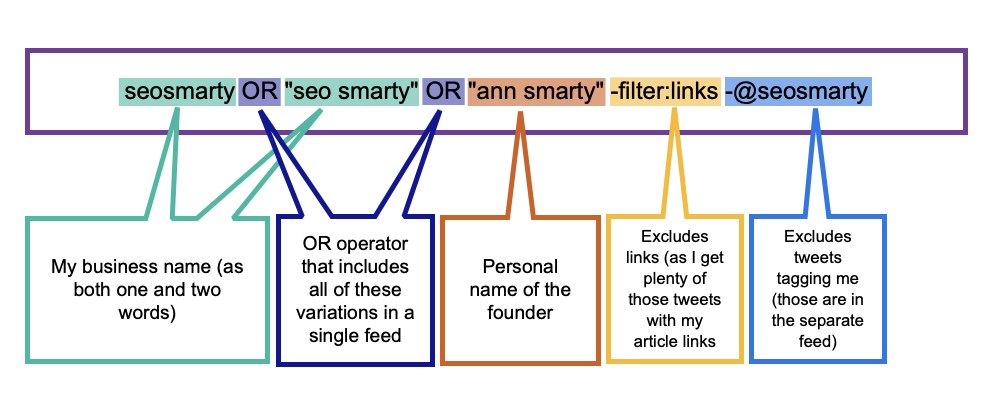
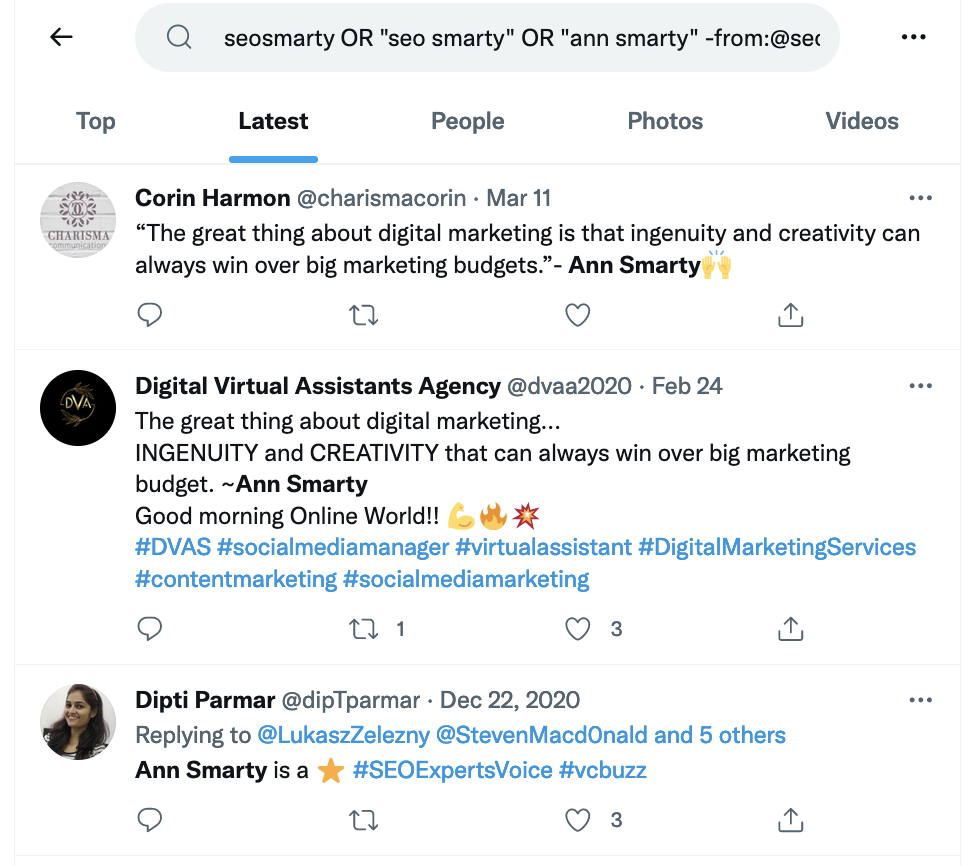
Most social media listening platforms allow you to create one unified feed monitoring keyword mentions. Here’s what it may look like using native Twitter search:
For local businesses, monitoring your location feed on Instagram is also a very good idea.
1.2. Include other team members into your monitoring routine
Social media messages are all different. Some people ask for immediate help, others simply share their feedback on a product or website usability.
This is why this process should involve more teams within your company.
This is where social media listening should be treated as a project where one central role (in this case, a social media manager), distributes messages around the company and even sets deadlines to make sure these messages are adequately acted upon.
Agorapulse is social management and monitoring platform that gets it: Every social media update you get through their monitoring solution can be assigned to a different team member with a comment.

Including various teams (design, product development, etc.) into your social media listening process helps everyone be on the same page and answer important questions:
- Are customers liking our product? How can we improve it?
- Is our website easy to navigate? How can we make it better?
- Are our customers satisfied with our customer support? How can we improve it?
- Are there unhappy customers and how can we win them back?
- And finally, what has prevented any person from becoming our customer and how can we still convert them?
This is the fundamental step in understanding your target audience and creating a better lead generation and conversion strategy.
2. Monitor Your Competitor’s (Unhappy) Customers
Your social media listening can not only help you understand your customers. It can also help you understand (and even win) your competitors’ customers.
This is why monitoring your competitor’s brand name is as important as monitoring your own.
Lots of customers will publicly share their dissatisfaction with various aspects of your competitors’ operations, so it is a good idea to create a separate feed for monitoring those complaints:
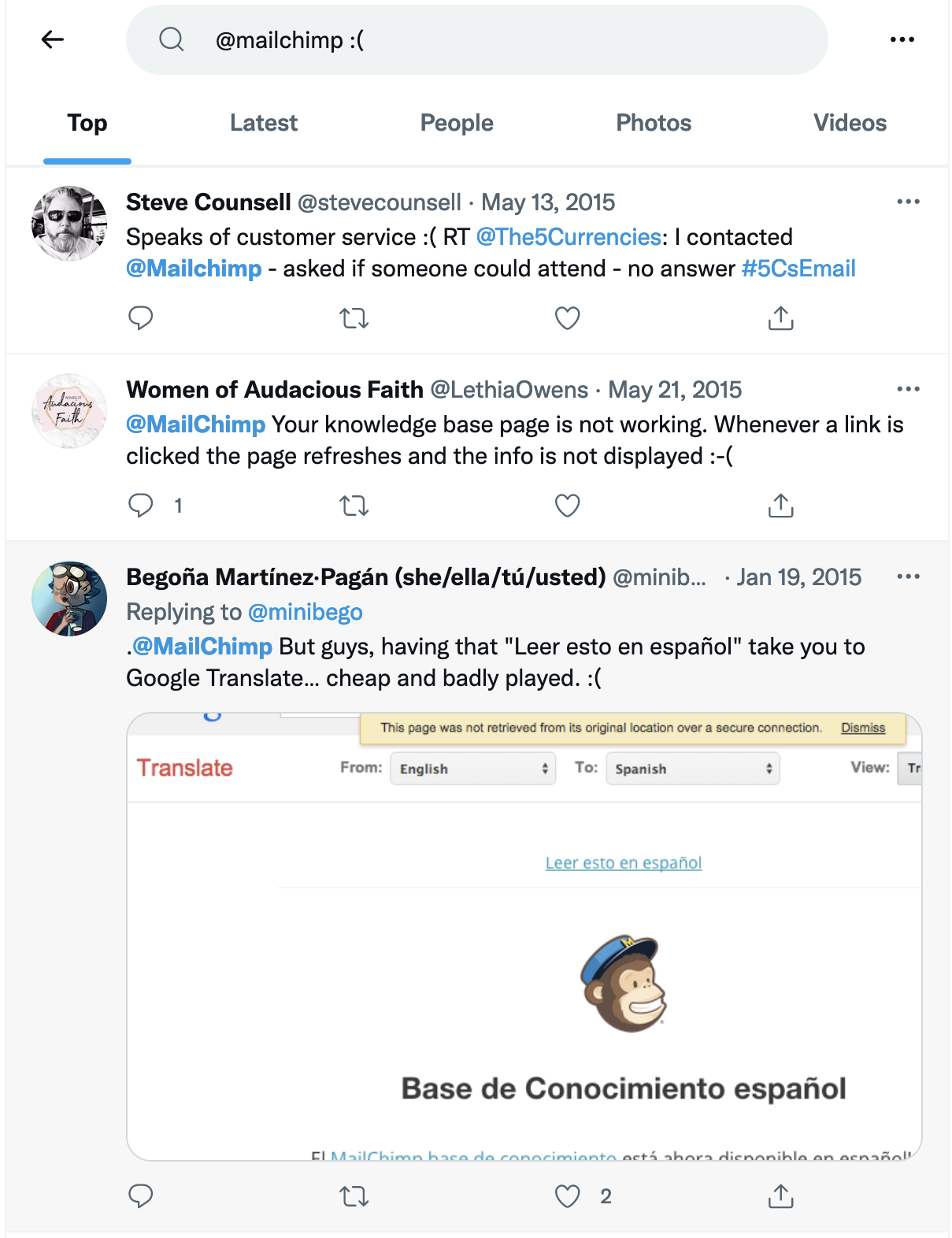
It is a great idea to treat these mentions as your own, i.e. assign these messages to your website and product developers, as well as involve your sales team for them to reach out to some of these people to try and get them to try your product (that doesn’t have these problems).
Additionally, use this trick when planning and developing your product to define your value proposition and identify your competitive advantage.
3. Seek Lead Generating Links
Finally, links can bring leads both directly (from people clicking on those links) and indirectly (by improving rankings of your site). And links can be acquired through social media listening.
Create a separate feed to monitor the following hashtags that journalists are using to find sources and opinions:
- #PRrequest
- #journorequest
- #asktwitter
Include your local and/or niche journalists into that monitoring feed to listen to what they have to say, what they are writing about and what they are asking.
In many cases, you will be able to suggest angles they may be interested in writing about based on what they are tweeting. Buzzsumo is a great way to find those journalists on Twitter:
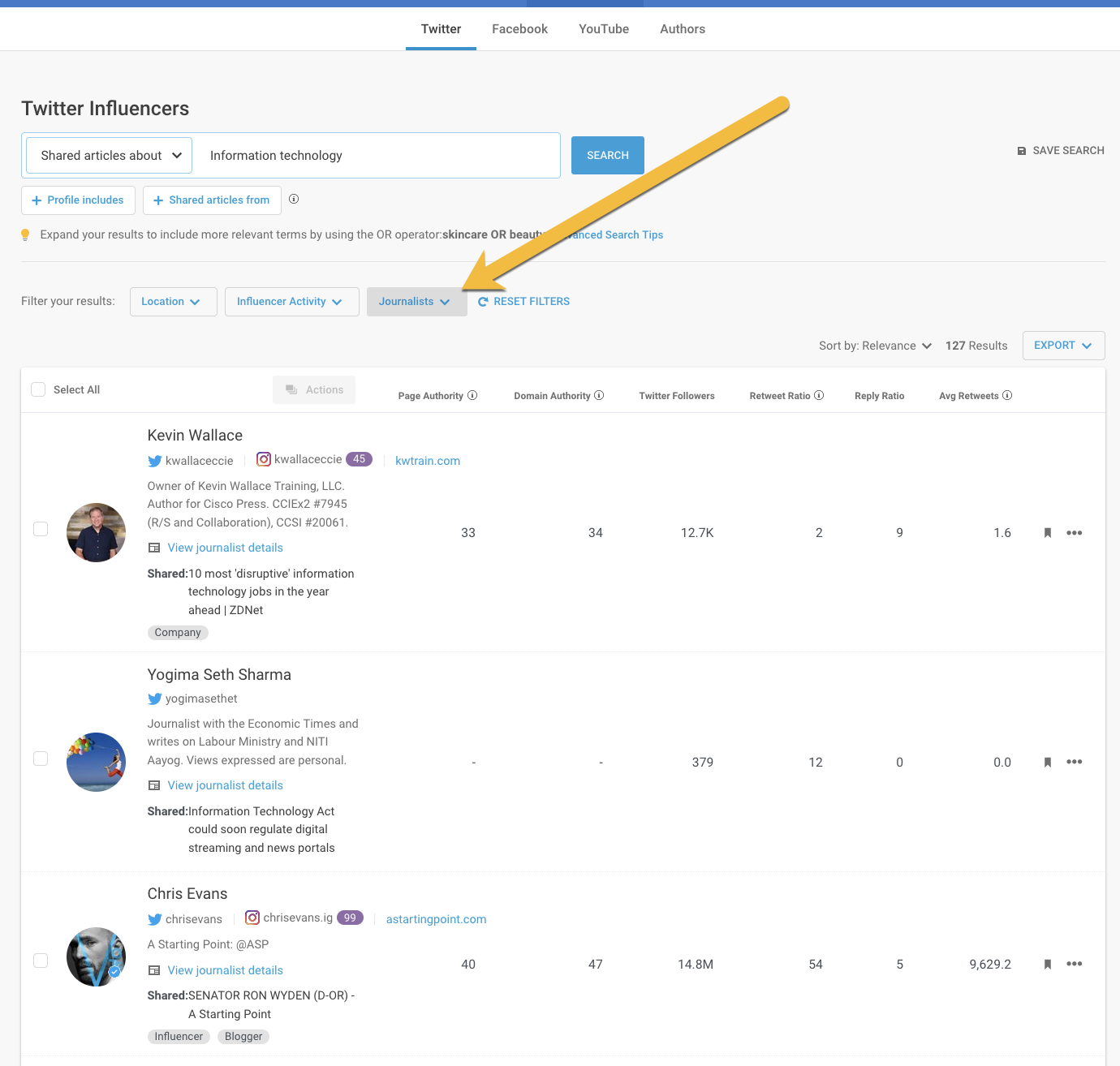
Once you set this feed up, your social media manager will go through that daily and assign selected tweets to your outreach team.
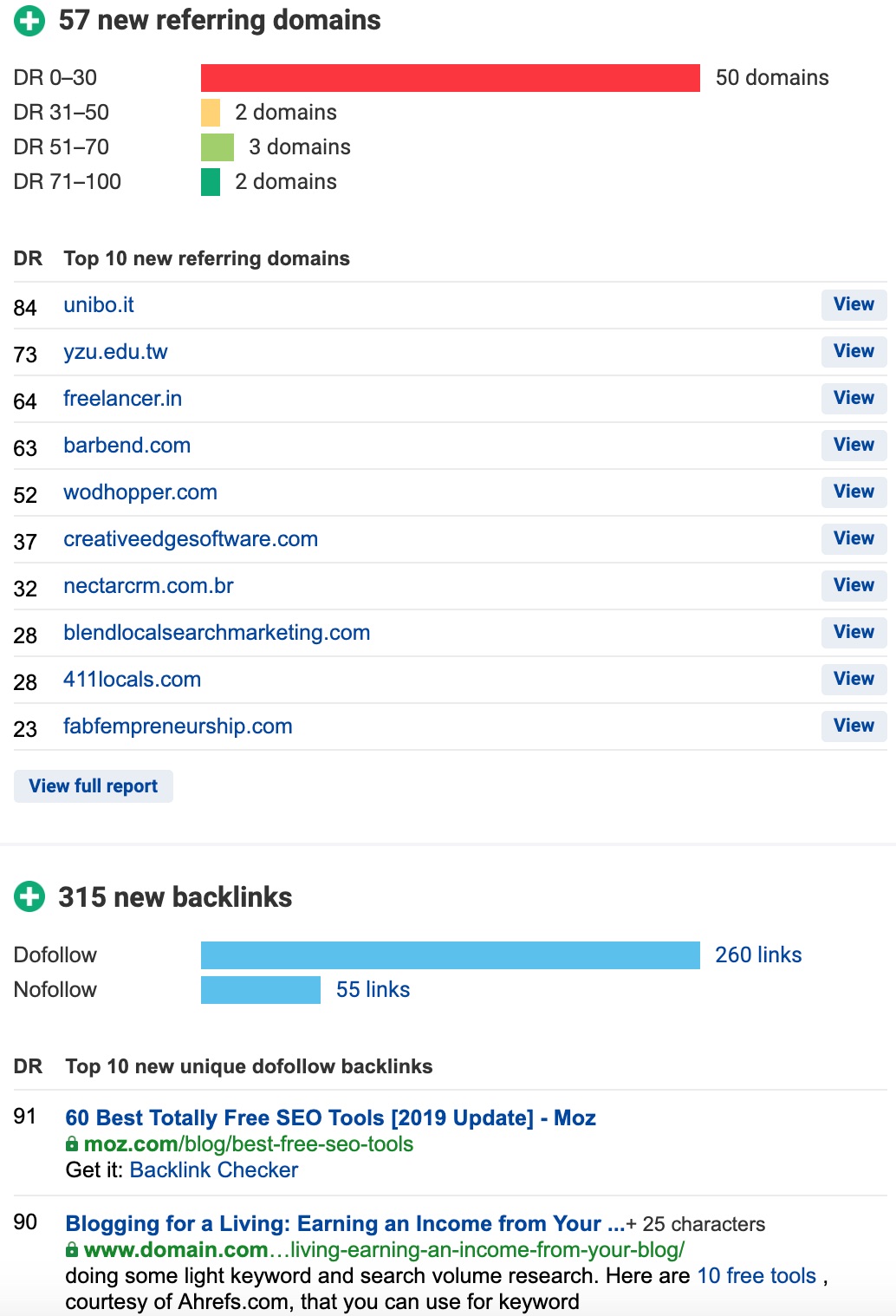
From there, to be able to evaluate these efforts, make sure to create well-organized link monitoring links. For example, Ahrefs alerts notify you via email when your domain gains (or loses) backlinks.
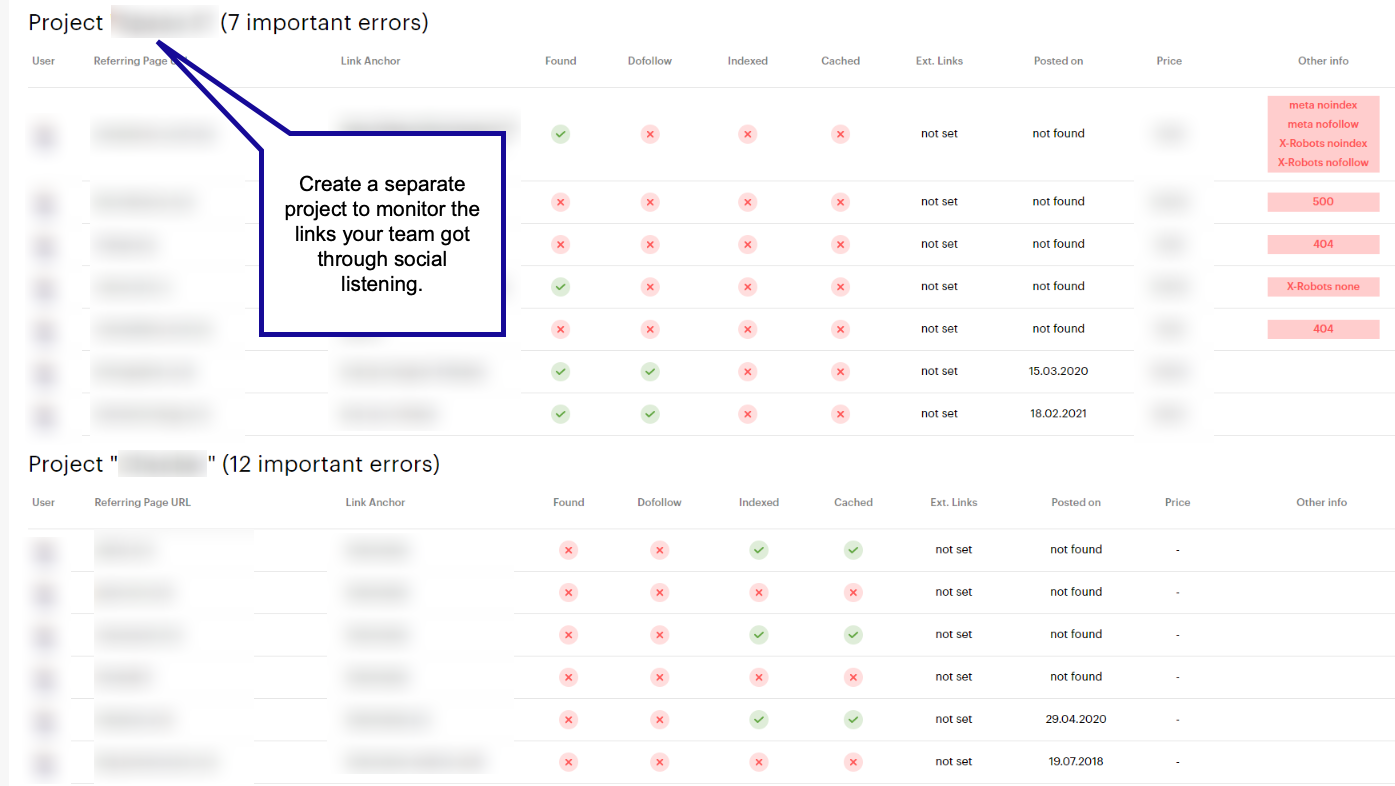
And Link Checker will help you organize those links for you to be able to clearly see which links were acquired through social media and assign important metrics to them (like nofollow / nofollow links, indexation status, redirects, etc.)
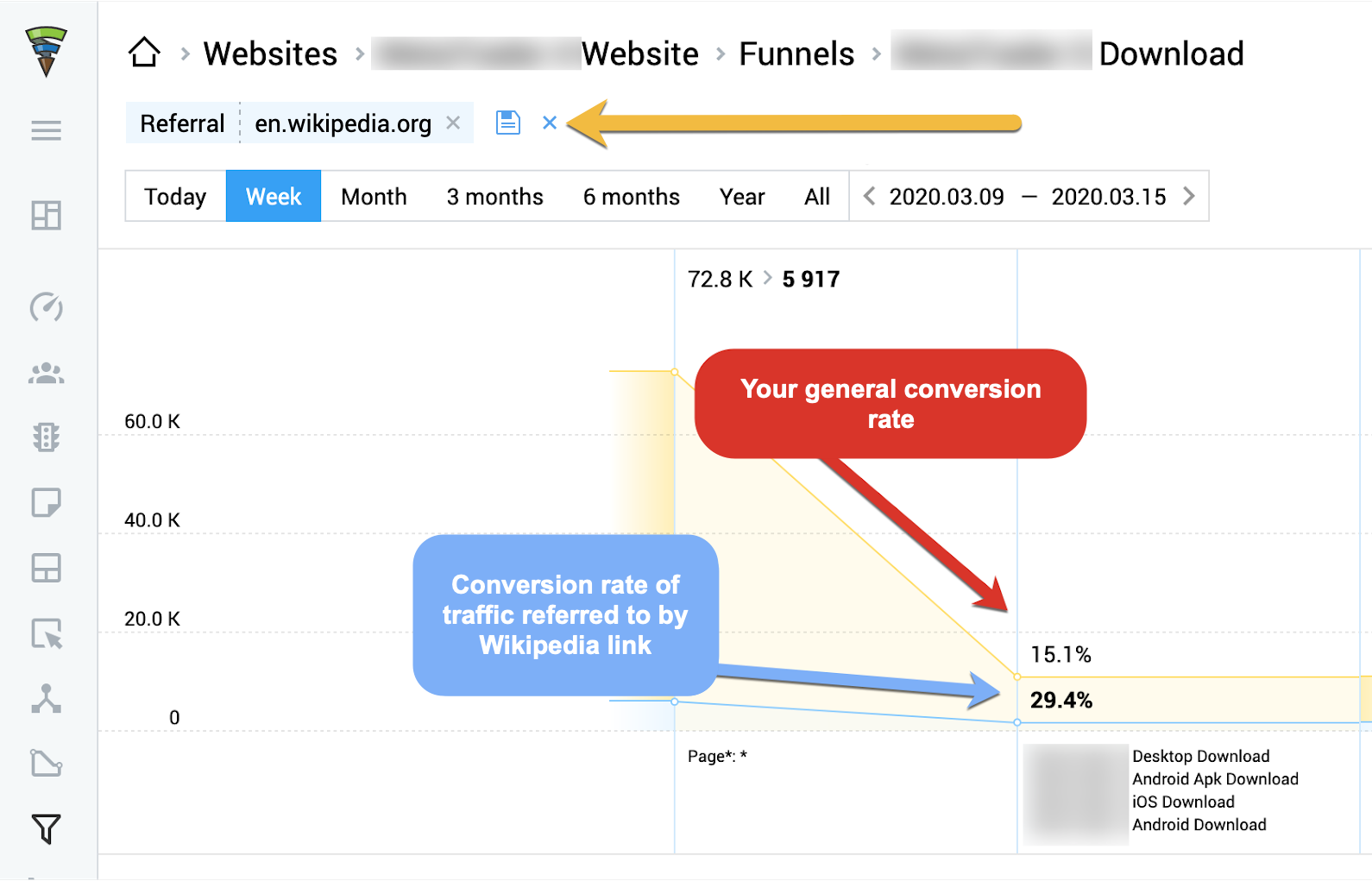
Additionally, Finteza will help you evaluate your traffic-driving links and analyze whether those clicks result in leads:
Conclusion
Social media listening can help you on many levels – from converting your potential customers to better understanding their needs. All of that can boost your lead generation efforts and help your conversion optimization strategy.
The post How to Use Social Listening for Lead Generation appeared first on Content Marketing Consulting and Social Media Strategy.
Source: convinceandconvert.com

5 Hacks to Attract Gen-Z Consumers
Gen Z’ers, which includes those born between 1996 and 2012, now make up 20 percent of the US population and account for $143 billion in direct spending. If you are still focused on millennials, it’s time to start paying attention to a new generation of consumers.

Disclosure: This content is reader-supported, which means if you click on some of our links that we may earn a commission.
Five Ways to Attract and Keep Gen Z Customers
Here are five ways to attract and keep Gen Z customers.
1. Research Gen Z Culture
Gen Z’ers are digital natives; they’ve always had access to smartphones and social media.
They are also one of the most diverse generations in history.
This impacts how they think — and how they spend their money.
If you want to sell to this unique generation, your company needs to learn who they are and how they interact with brands in your industry.
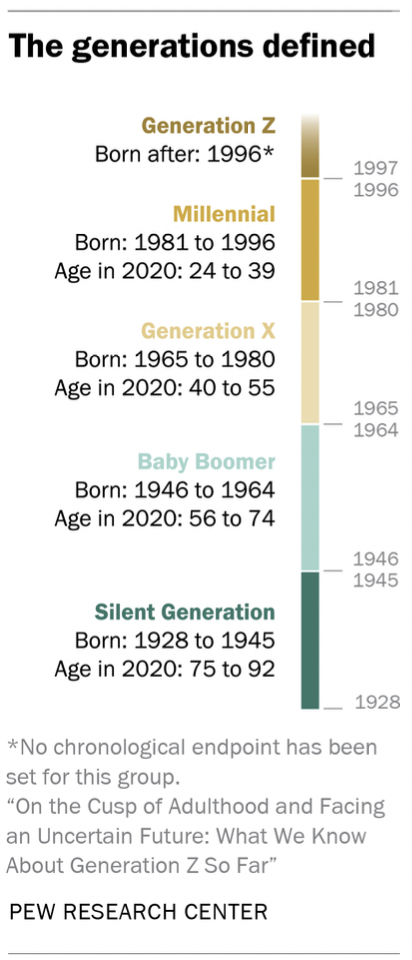
Here are resources for your team to learn more about Gen Z.
- Knit: Get instant feedback and Gen Z insights
- NYTimes: Gen Z in Their Own Words
- #GenZ: Podcast about Gen Z, their stories, experiences, and perspectives
- Pew Research Center: Study on Gen Z trends, demographics, and more
2. Hire Social Media Managers or Social Media Firms that Employ Gen Z’ers
Gen Z consumers are savvy buyers and can spot inauthentic advertising.
Having Gen Z representatives on your marketing team (or in the firms you use) will help you hit the right tone.
Look for Gen Z’ers that represent the best of this generation by offering the perks they care about, such as:
- flexible working hours
- opportunities for growth
- including them in projects that make a difference in the world
3. Offer Buy Now, Pay Later (BNPL) Payment Options
Gen Z customers value one thing above all else: flexibility.
This is why offering BNPL options, like PayPal’s enterprise BNPL, is crucial for attracting the Gen Z market.
As younger workers, they are unlikely to have the financial resources to make larger purchases.
In fact, Gen Z is expected to make up 47.4 percent of BNPL users by 2025:
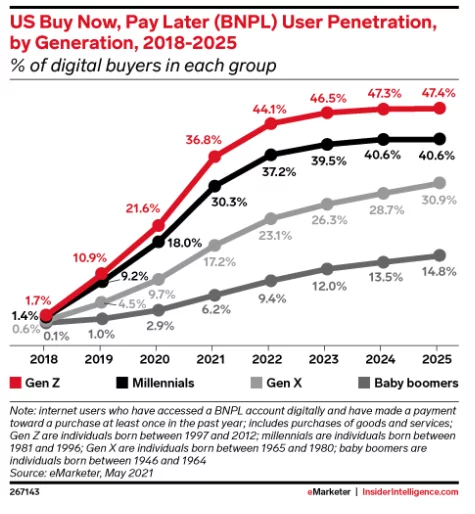
BNPL allows Gen Z access to greater flexibility (and little to no interest rates.)
Since much of the group works paycheck to paycheck, this flexibility is crucial.
4. Take a Stance on Social Issues
Gen Z is politically aware and active, and they prioritize spending their money on brands that align with their views and values.

Look for causes that naturally align with your brand, and take stands on those issues.
Don’t insert your brand into social issues that you don’t understand, or you risk alienating this generation.
Instead, sponsor or promote causes you care about and find ways to make your brand more environmentally and socially conscious.
5. Take Steps to Make Your Brand Trustworthy and Authentic
Trust matters to Gen Z shoppers.

They are less likely to respond to straight advertising (they often use ad blockers) and more likely to respond to brands that are transparent.
Here’s how to increase transparency:
- Show how you use/gather data for ads, including how long you store it and whether you share it.
- Create authentic ads and marketing campaigns; don’t try to trick Gen Z customers.
- Make sure your contact information is easily accessible on your website and social accounts.
- If you use influencer marketing, choose smaller, more trusted influencers to partner with.
Trust also impacts what payment methods Gen Z’ers are willing to use, and PayPal offers a considerable competitive advantage.
In fact, 53 percent of consumers between 18 and 39 say they trust PayPal to keep their financial information secure.
Conclusion
Gen Z’ers already impact a large portion of consumer spending.
In the coming years, their buying power will continue to grow.
To market to this generation, executives must push their brand to understand how Gen Z’ers think and invite them to join a movement, not just market another product.
Use PayPal’s BNPL to build trust and provide Gen Z’ers with the financial flexibility they want. Learn more here.
Source: feedproxy.google.com

Who Really Owns Social Selling?
“A-B-C. A: always, B: be, C: closing,” is the immortal advice Alec Baldwin’s character Blake imparts to a group of hapless salesmen in the movie Glengarry Glen Ross. This basic sales tenet has not changed much since, but the role of sales and marketing has definitely moved on (for the better).
Disclosure: This content is reader-supported, which means if you click on some of our links that we may earn a commission.
Although many companies are taking social selling seriously these days and developing a solid social selling strategy, who within your organization actually owns it?
The obvious answer would be the sales team.
They’re the ones selling.
But the reality is that in many organizations, marketing is driving the initiative in terms of social techniques, where to prospect, and creating content that drives the conversation and engagement with potential buyers.
In some cases, the marketing department is even funding the cost of the technology used by sales to do social selling.

There is definitely a lot of “selling” involved in social selling, and the sales team needs training on creating personal brands, using social listening technology, engagement, and measuring their success.
But the marketing department has an important role to play in most organizations.
Here are some areas where marketing can help:
Identifying Watering Holes
By using the same buyer personas created and used by the marketing department to develop the overall marketing strategy, marketing can identify the right micro markets for sales to focus their social selling efforts on social channels, like LinkedIn, Facebook, and Twitter.
Compile a list of online groups, forums, and key influencers your salespeople should follow and get to know.
Sharing Social Media Techniques
Marketing departments have been engaging with their audiences via social media for years and will have an established social selling strategy, which sales teams need to take advantage of and integrate with.
Sales should start by social listening and plugging into online conversations to understand the important issues and topics of potential prospects.
This will fuel authentic conversations.
Empower Sales to Have Intelligent Conversations
Social selling is much more about sharing quality content than driving a sales angle.
Marketing should have a library of developed and curated content to share with sales for target personas, hopefully for each stage of the sales cycle.
Build social selling campaigns “in a box” that share the right messages, the right calls to action, and in the right format for social channels for sales to easily deploy.
Adding some creative elements or image files can help improve engagement for the team’s developed posts and messages.
Sales Training and Enablement
The “last mile” in any good campaign is sales enablement.

Marketing needs to ensure that the sales team understands the campaign messaging and what materials are available, as well as where to find them easily.
Make sure there is sales leadership support.
The campaign launch should be part of standard sales training or enablement, so that the sales team sees it as something they need to do, rather than just information from marketing.
Working Together for Your Social Selling Strategy
The best part of social selling is that it gives sales and marketing another opportunity to work together in the ever-blending roles of the two teams.

With the customer experience at the center of both marketing and sales department strategies these days, only by working together will social selling success.
It’s called social selling, but there’s a lot of marketing involved.
This blog was updated by Michelle Saunders, Director of Content.
The post Who Really Owns Social Selling? appeared first on Content Marketing Consulting and Social Media Strategy.
Source: convinceandconvert.com

What is Social Listening?
Marketers have been using their social channels to survey their audience for years, asking them what content they want to see or what products they need. Social listening is taking that survey-ship to the next level.
Social listening is the new “authentic.”
It’s hard to find marketing experts who haven’t said or written the word “social listening” as part of their 2021 strategy.
Like authentic content was the marketing term of all terms a few years ago, social listening is now the marketing term of the year.
Social listening has risen to so much fame because it’s an absolute necessity in 2021 and beyond.
Marketers have been using their social channels to survey their audience for years, asking them what content they want to see or what products they need.
Social listening is taking that survey-ship to the next level.
With social listening, brands can listen for more than content and product ideas.
They can figure out what their customer avatar is thinking and talking about.
And that’s THE power tool of a marketer’s toolbox.
What is Social Listening?
Social listening happens when a brand listens to its audience on social channels.

Listening to your audience means you’re reading comments and looking for tagged content that tells you where your customer sentiment is.
Sometimes that sentiment has to do with your brand specifically, and other times, it involves global events.
For example, brands can use social listening to see their audience’s opinion on their latest campaign or see what their customers are thinking related to their products.
Or, brands can use social listening to find out what their customers are talking about and figuring out a way to put themselves into the conversation.
With social listening, brands (and specifically Social Media Marketers) can build a brand presence that aligns with their customer avatar.
We now have a direct communication line with our customers, and it’s important to use it.
Why Does it Matter?
Social listening is the future of marketing. Technically it’s always been part of marketing.
Brands have listened to their customers for years by asking them to fill out surveys and leave their feedback.
With social media, marketers get a different type of access to their customers.
Instead of getting their filtered opinions through curated surveys and feedback, they can be a fly on the wall of the conversations their audience and customers are having.
This gives marketers the chance to create campaigns specifically addressing the thoughts and ideas their customers have.

For example, if a beauty brand notices that their audience is always asking for a specific eye shadow color—and the brand doesn’t have that color yet—they can use social listening to validate the new eye shadow color.
That’s just the tip of the iceberg when it comes to social listening.
Brands can notice when their audience is talking about a specific book, podcast, episode, or TV show and create content that shows they’re in the know.
Brands can use social listening to:
- Come up with new product ideas
- Validate product ideas
- Create timely campaigns
- Apologize when necessary
As social continues to mature, the ability for social listening is going to increase.
That’s where social listening differs from authentic content.
With authentic content, we saw a trend of people wanting to see real-life over curated Instagram photos.
With social listening, we see a long-lasting insight into our customers’ real opinions.
And that gives us an edge we haven’t ever had before.
Examples of Social Listening
Social listening comes in all shapes and sizes.
For example, here’s how Lowe’s used social to listen to their audience’s complaint about ice in the parking lot.
They replied by asking the customer what store they had gone to so they could get salt on the parking lot and avoid any further complaints or, worse, accidents.

Most of the time, social listening can be used to create a better experience.
That experience can either be in the first three stages of the Customer Value Journey (Awareness, Engagement, and Subscription) before somebody becomes a customer or in the fourth stage (Conversion) when they make their first purchase.
With a comment like this, the ATP Card Game has two clear requests from their customers.
- 1) Make their instructions easier to understand.
- 2) Their customers want example games and tutorials that show them how to play the game.
Using social listening, ATP Card Games knows how to improve their customer experience (and exactly how to do it!).

To be clear, social listening doesn’t always lead to negative comments.
The negative comments are great for making improvements, but you’ll also find plenty of great feedback by listening to your audience.
BarkBox received this positive tweet from a happy customer.
BarkBox can see that their customer service experience is exactly what they want it to be with social listening.
They’ve now validated their customer service experience and got free promotions out of it, thanks to their happy customer.

Social listening isn’t something to consider.
It’s something to start implementing in your marketing strategy right away.
Tools for Social Listening
There are a ton of tools on the market, some extremely sophisticated, that can make this process much easier.
Tools like Mention (which is what we use here at DigitalMarketer) and the more elaborate Radian6 can equip your community manager with live streams of social media alerts specialized by keywords:

These platforms also can assign individual comments and tweets to specific members of your team, making the feedback loop process a breeze.
For example, ATP Card Games can ping their content team and ask them to create some tutorials while also pinging their product team about the feedback on the instructions.

While social listening has the same viral tone as authentic did a few years ago—it is a beast of its own.
Social listening gives marketers intel that they never had before.
The more you can know about your customer avatar, the better your products and campaigns will be.
With social listening, marketers get to see a new side of their customer base—the side that doesn’t come out in curated surveys and other types of feedback.
Use social listening to keep your brand in the know and get ready to be creative when you see an opportunity come up.
The post What is Social Listening? appeared first on DigitalMarketer.
Source: digitalmarketer.com

4 Key Elements of Effective Social Media Videos
Video is all the rage today. It’s due to its effectiveness in driving reach and engagement. In fact, most social media platforms have started to give video content more visibility in feeds.
The introduction of Reels and IGTV on Instagram and Facebook Watch is a testament to the fact that the appeal for videos has only increased over the years.
About 85% of internet users in the US watched online videos in 2018, and a majority of internet users say that the trend of watching more online videos will continue, even after the COVID-19 outbreak ends.
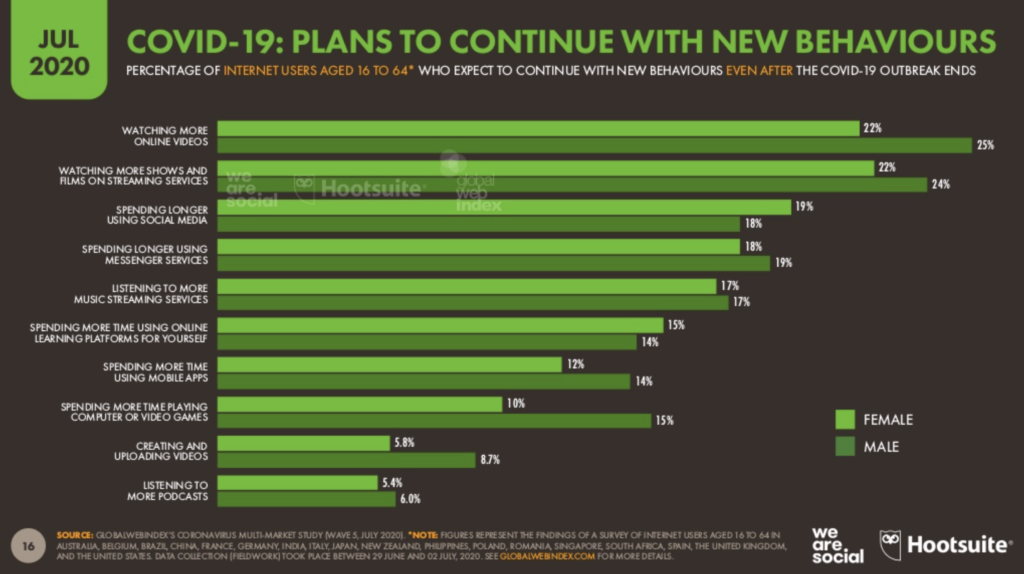
Image via We Are Social
With so much video content being uploaded by the minute — over 500 hours on YouTube in 2019 — it’s going to be difficult to stand out from the crowd.
As of May 2019, more than 500 hours of video were uploaded to YouTube every minute. This equates to approximately 30,000 hours of newly uploaded content per hour.
To do so, you need to create stellar videos.
How can you do so?
You need to understand the key elements of a social media video.
What are these key elements, you ask?
Let’s take a look at them.
Main Elements of a Social Media Video
Here are the main elements of a social media video that can help improve engagement.
1. The Social Platform
When you’re creating any video for social media, it’s important to know which platform you’re creating it for.
Why?
Because each social platform has different audiences, and what may appeal to users on one platform might not on another.
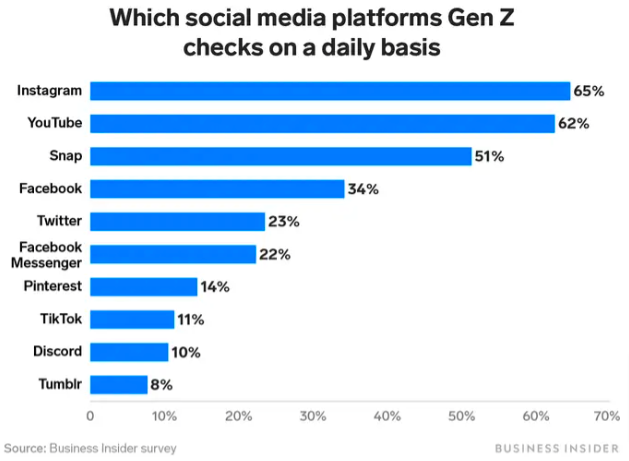
TikTok and Instagram are platforms where you’d typically have millennials or Gen Z. On the other hand, on Facebook and Twitter, you can find a wider user base.
So, it’s crucial to tailor your videos for each of these platforms.
Similarly, what may work on all of these platforms may not work on LinkedIn at all as it’s a professional social networking platform.
And that’s not all.
Each platform also has a different set of video formats that work the best on them.
Facebook vs. Instagram video formats
For instance, if you’re uploading a video to Facebook, you’d likely upload a landscape version of the video for Facebook Watch. On the other hand, if you’re creating one for Instagram, options like Reels, Stories, and IGTV prefer portrait modes.
Resizing your videos can be challenging. However, by using tools like Boosted, you can simplify this task as the tool will automatically size all the videos you create based on the dimensions that work best on the social platform of your choice.
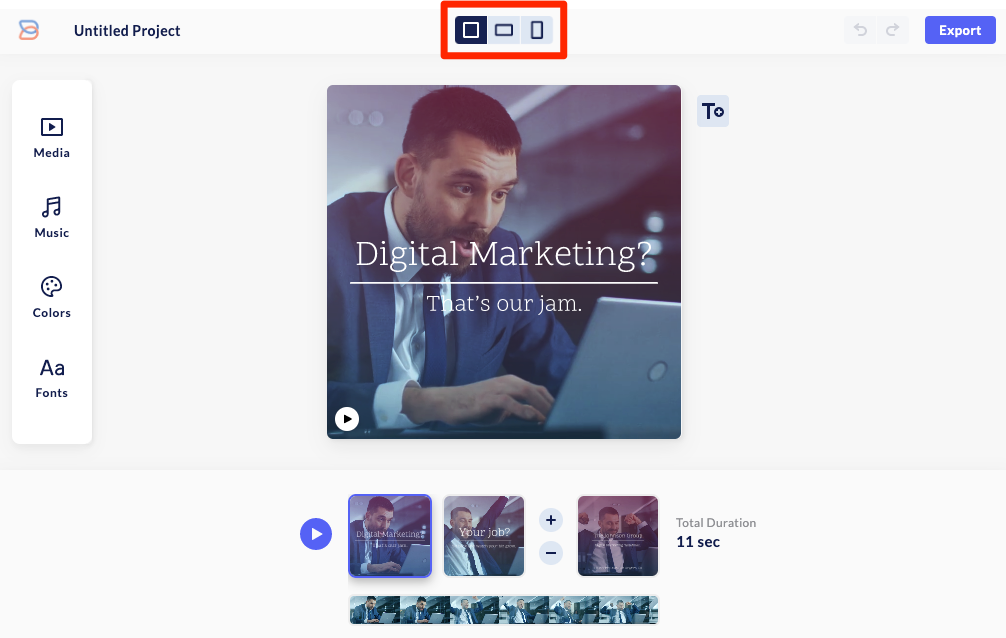
Boosted will automatically resize videos for different devices.
Pro Tip: It’s equally important that you upload your videos directly to the platform instead of sharing them from one platform to another.
2. Video Length
The length of the video is an important parameter that you need to be mindful of. While scrolling through feeds, users may not devote a lot of time to your video unless it catches their attention.
That’s why you need to ensure that the most impactful parts of your video are right at the beginning. The idea is to hook the user to your video so that they watch the rest of it.
But wait, there’s more.
The platforms that you upload your videos impact the video length as well. For instance, if you’re uploading a video to Instagram, you’ll be faced with multiple options.
How long should Instagram videos be?
If you’re posting a video on Instagram Stories, the maximum length per Story is 15 seconds. On the other hand, if you’re uploading it to Reels, the video needs to be 30 seconds long. However, IGTV videos can be as long as 60 minutes.
So, while developing your video, make sure that you know where you’re going to post it so that you can drive social engagement through it.
3. Video Graphics
The graphics that you use in your videos are equally important.
These visuals can help you captivate the attention of your audience. That’s why you need to do everything that you can to ensure that they appear exactly like you want them to.
With nearly 70% of YouTube watch time coming from mobile devices, it’s clear that you need to design your videos for mobile devices.
But how?
For starters, you should try to use simple video graphics that can be easily viewed on mobile devices. Also, you need to ensure that the various elements within your video are spaced well enough for the viewers to be able to distinguish them.
The same applies to video thumbnails. When you create them using a tool like Canva, make sure that you check how they will look on smaller screens.
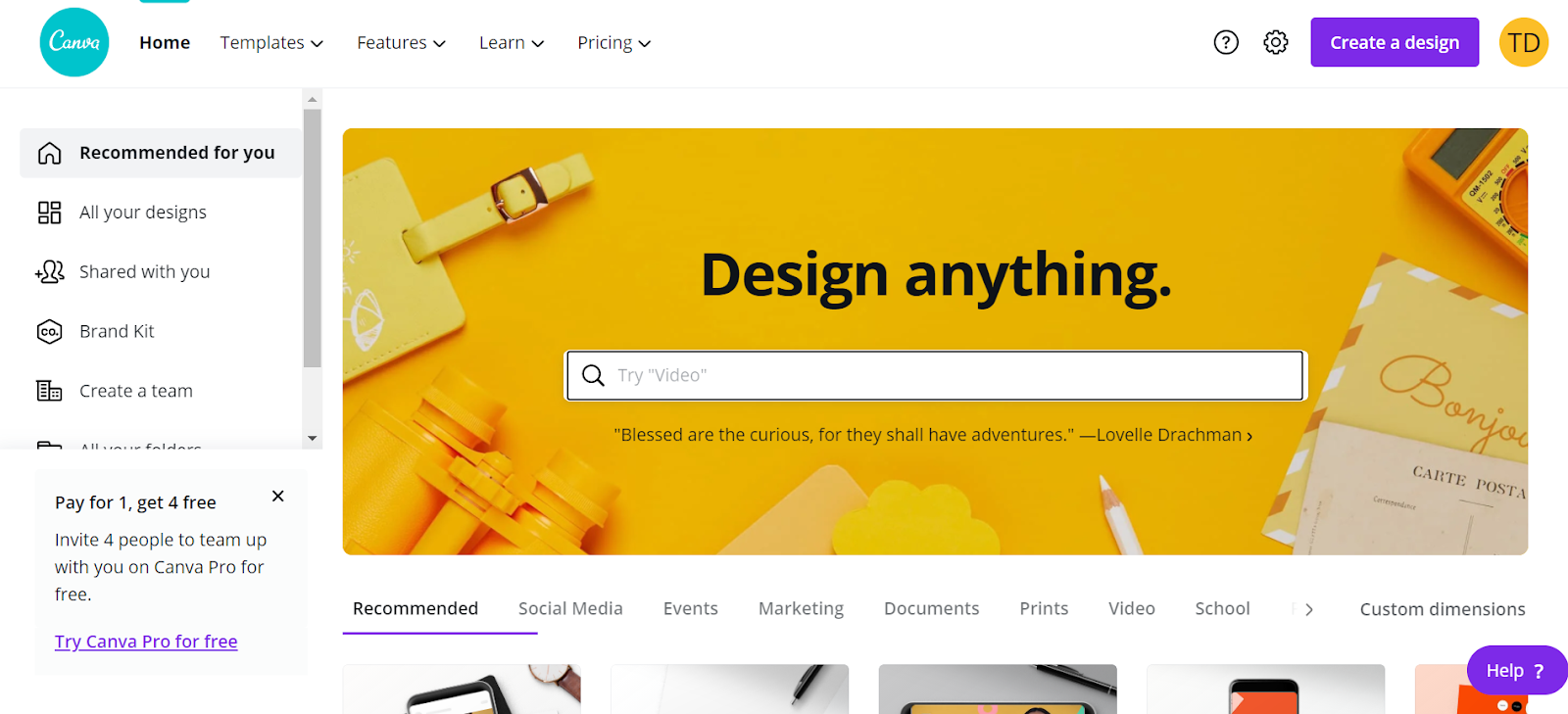
Create video thumbnails in Canva, and make sure they look good on all devices.
In addition, mobile devices may not always be connected to WiFi. Many users may be using data to browse the internet and watch videos.
However, while people are on the move, data speeds might fluctuate. As a result, they may not be able to stream videos at the speeds that they would typically get over WiFi.
If your video file size is large, it’s likely that the video may not load well. When this happens, your viewers may move on to the next post. After all, no one likes to wait a long time for videos to load.
How can you avoid this?
You can create videos that have smaller sizes. This will make it easier for the viewers to stream them.
To ensure that all of these things are taken into consideration while creating videos, ensure that your content marketing strategy outlines the steps needed to be taken for mobile devices.
4. Video Sound
As mentioned above, most people watch videos on mobile devices. And when they do, it’s highly likely that they will be on the move or in public places too. In such a situation, not everyone uses earphones to watch videos.
As a result, people tend to watch videos without sound. In fact, a survey found that 69% of consumers in the US watch videos on mobile devices without sound in public places.
But here’s the thing — 25% of them even watch them without sound when they’re in private places.
So, if you want your video to appeal to this huge chunk of your audience, you need to ensure that it gives the same effect without audio.
While you’re designing the video, try adding subtitles or text to get the message across without any sound.
Pro Tip: Before you upload the video, go through it without the audio. Try to see if it’s still equally engaging. If so, you can go ahead and upload it.
Final Thoughts
Creating social media videos can help increase your reach and drive engagement. However, to craft videos that can do so effectively, it’s critical to understand the key elements of these videos and use them to your advantage.
You need to design your videos based on the platform and also change the dimensions accordingly. Also, it’s equally important to decide on the video’s length as it’s dictated by the format in which you’re going to upload it.
What’s more?
The video graphics need to be designed for mobile devices, as most videos are watched using mobile devices.
Finally, a huge number of people watch videos without sound. So, you must ensure that the videos appear equally engaging without it too.
The post 4 Key Elements of Effective Social Media Videos appeared first on Content Marketing Consulting and Social Media Strategy.
Source: convinceandconvert.com

Top Social Media Listening Tools to Turn Followers into Customers and Brand Ambassadors
Social media listening has come a long way in the past decade. These days, every brand is using brand-name monitoring. Yet, few brands take full advantage of social media listening.
While it is great for improved customer support (for example: helping unhappy customers via social), there’s much more to social media monitoring. Today, you can:
- Find and connect to niche influencers (especially those active social media users with an engaged following who are currently interacting with your competitors). Social listening is one of the most effective steps to a successful influencer marketing campaign.
- Spot your competitors’ unhappy customers and win them over on your side.
- Turn your happy customers into brand ambassadors.
- Identify your product or service weak points so you can fix them.
- Understand your current customer base and target audience better.
- It can be a powerful lead generation tool for your business.
- Collect feedback on your product or content.
- Find engaging content ideas — discover your customers’ interests and struggles.
All in all, social media listening can provide you with a huge amount of insight, provided you are using the right tools.
5 Awesome Social Media Listening Tools
With that in mind, here are 5 awesome social media listening tools to consider for your martech stack:
1. SentiOne: AI-Powered Social Media Listening Tool
SentiOne is a dedicated social media listening platform that really gets the real power of social media monitoring and takes it to a new level.
The tool implements artificial intelligence to:
- Prioritize social media messages that need your (or your team’s) immediate attention and response
- Help your team to compose replies faster by suggesting possible messages which would work best for each mention
- Talk to your customers on your behalf through a smart chatbot

SentiOne can make your customer support team much more efficient and productive.
The cool thing about this platform is that it keeps a record of those interactions, so next time you have an encounter with the same customer, you will have all the background information.
SentiOne can make your customer support team much more efficient and productive, which is likely to result in many long-term benefits, like higher customer satisfaction and more positive mentions (from customers who get help immediately).
2. Agorapulse: Collaborating Social Media Management and Listening Tool
Agorapulse is a multi-purpose social media management tool that helps you create your social media editorial calendar by scheduling updates to multiple channels. It also comes with a powerful social listening feature that is perfect for cross-team collaboration.
Let’s face it: your brand mentions on social media are not created equal.
- Some of them are from customers who are currently in the buying process and need help immediately.
- Others are generic complaints that may not even require an immediate reply but need to be forwarded to product or site development teams.
- There are those mentions that can be turned into testimonials (to use on your site as social proof).
- There are social media messages that your outreach team may use to get some links to your site (similarly to how you’d use Google Alerts for those purposes).
How can one person handle this process if there are so many elements to it?
Well, it is quite doable if you treat social media listening as project management (which often involves many teams as well).
AgoraPulse enables your social media manager to assign different social media mentions to different teams or people. Once assigned, this team member will receive an email notification, as well as a reminder if the status of the assignment remains untouched.
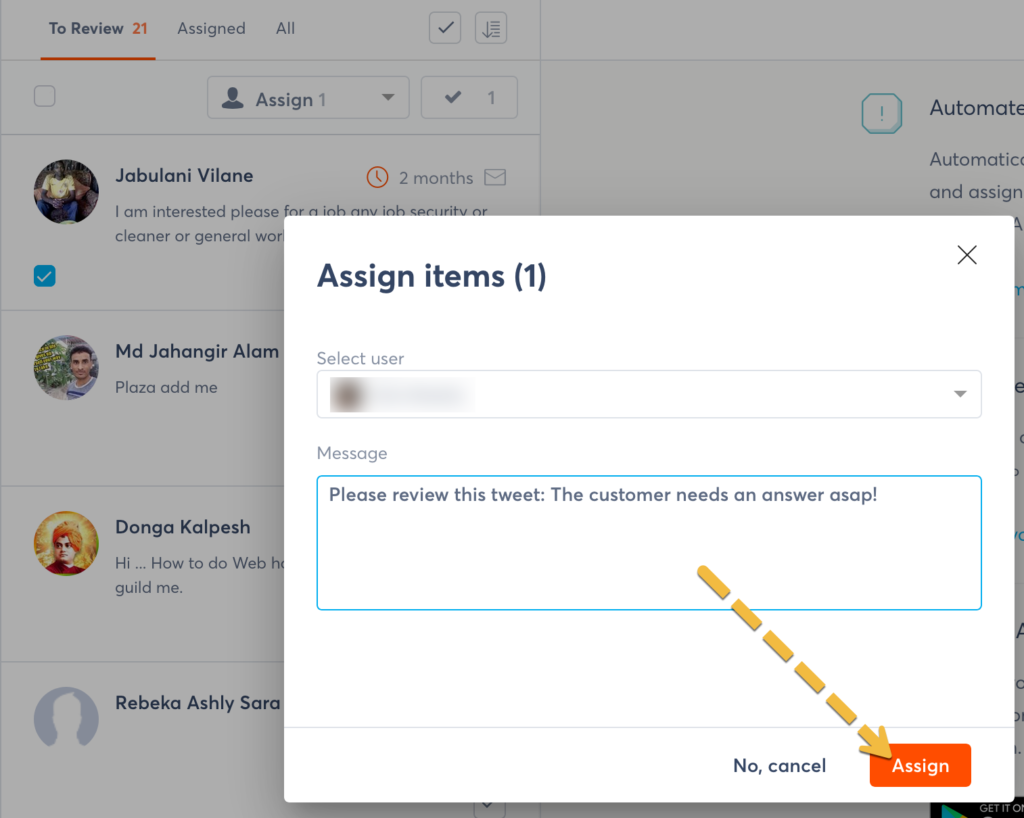
AgoraPulse enables your social media manager to assign different social media mentions to different teams or people.
This is a great way to make the most of social media listening.
3. Tweetdeck for Real-Time Interactions
Because of its real-time nature, Twitter is where customers expect to get an immediate response.
Tweetdeck is a Twitter management and monitoring tool that is free. It can also be used to manage multiple social media accounts (like your personal one, your business one, etc.)
I use Tweetdeck in combination with more advanced social media tools because it is so easy and fast to use that sometimes it’s just easier to quickly check Tweetdeck to see if there’s anything that needs your attention.
Tweetdeck integrates with Twitter lists, so it is perfect for quick interactions with niche influencers or your brand ambassadors throughout the day.

Check your list of engaged influencers to interact with their recent Tweets.
Here’s how I use Tweetdeck:
- I add people I want to regularly interact with to separate Twitter lists (those may be “Bloggers”, “Journalists”, “Brand ambassadors”, etc.)
- I create separate columns in my Tweetdeck to pull tweets from those lists
- When I have a minute or two, I open Tweetdeck and reply to recent tweets in those tweets.
This way, I keep interacting with my friends and niche influencers on a regular basis while keeping those interactions natural and meaningful.
4. Bonus: Keep an Eye on Your Social Media Traffic
There’s no perfect way to measure the effectiveness of your social media listening efforts. There are so many long-term goals (brand loyalty, trust, etc.) that are not easy to measure.
With time, what you to see in your analytics is the following:
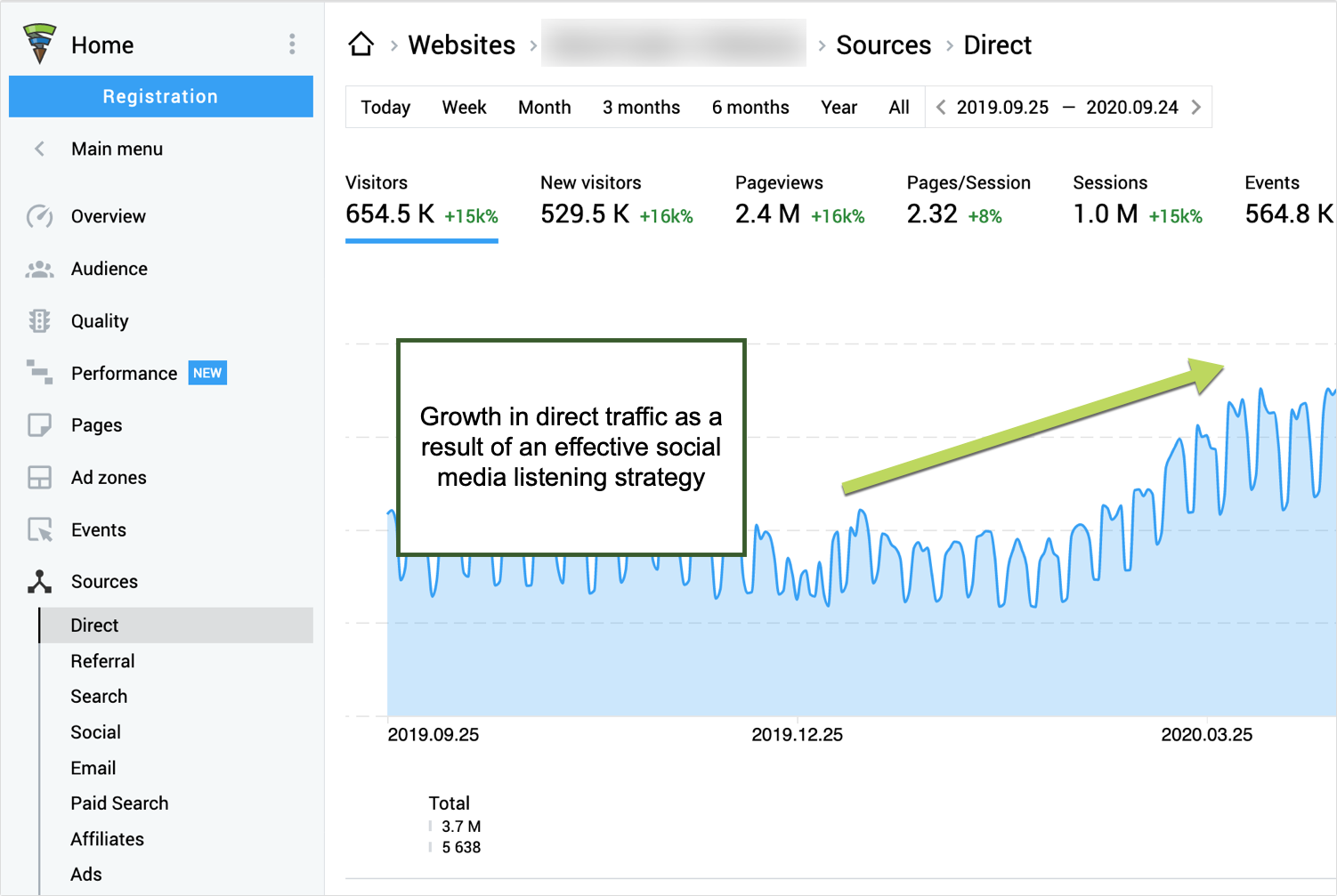
- An increase in type-in traffic (those people that type your site address directly without searching your name)
- The gradual growth of your brand-driven search queries (those queries that contain your brand or product name)
- The steady growth of on-site conversions (as customers see you on social media responding and interacting, they will start trusting your brand and buying more from you).
You can track all (and more) of that by using Finteza, an independent web analytics suite with a strong focus on conversion optimization.
Conclusion
If you’re already doing some type of social media listening, invest a little more effort to achieve longer-term and more important goals. At the very least, it’s worth a try.
The post Top Social Media Listening Tools to Turn Followers into Customers and Brand Ambassadors appeared first on Content Marketing Consulting and Social Media Strategy.
Source: convinceandconvert.com

How to Tell if You’re Shadowbanned on Social Media
Suddenly you notice that none of your social media activity seems to be showing up at all. It’s like you don’t even exist on the site… Weird!
Is it a bug? Every website suffers from them sometimes, and the interactive features can often be the first to go haywire. Server maintenance could also be the culprit.
But another possibility is that you might have been “shadowbanned” (previously called ghostbanned).
Accounts that are shadowbanned are put into a kind of invisible mode. In other words, they become a “shadow” that no one can see.
In this post, we’ll talk more about what exactly shadowbanning is, and how you can tell if it happened to you.
What Is Shadowbanning?
Shadowbanning is when your posts or activity don’t show up on a site, but you haven’t received an official ban or notification.
It’s a way to let spammers continue to spam without anyone else in the community (or outside of it) seeing what they do.
That way, other social media users don’t suffer from spam because they can’t see it. The spammer won’t immediately start to look for ways to get around the ban, because they don’t even realize they’ve been banned.
Now, all of this might sound a little odd or shady. Since many websites and apps deny that they shadowban, there’s no way to know for sure that it’s happened.
If you suspect a shadowban, a change in the website’s search or newsfeed algorithm might actually be to blame. And since the algorithms are the property of social media companies, it’s not in their best interest to reveal everything about them publicly.
Regardless of whether you’ve been penalized deliberately or accidentally, the effect is still the same… no one can see your posts.
Sites That Shadowban
There’s no way of getting a full list of sites that shadowban people, since the practice isn’t entirely out in the open.
However, shadowbanning has been reported before under certain circumstances, on sites and apps like Facebook, Instagram, and TikTok, among others.
Respondents to a survey called Posting Into the Void reported four general types of shadowbans:
a username or hashtag not showing up in search suggestionsa decrease in follower engagementcertain features (e.g. likes or replies) being blocked a temporary ban that then reverts back to normal later on
Here’s how to tell if you’ve been shadowbanned on some popular social media sites:
Twitter Shadowbanning
Does Twitter actually shadowban people? Well, yes and no.
In a blog post, Twitter claimed that they don’t “deliberately make people’s content undiscoverable to everyone except the person who posted it”, and they “certainly don’t shadowban based on political viewpoints or ideology.”
However, they did say they “rank tweets and search results” to “address bad-faith actors”. Basically, if Twitter thinks you’re a spammer or a troll, its algorithm will penalize your content.
How to Avoid Getting Shadowbanned by Twitter
Twitter lists these as some of the factors they use to tell if you’re a “bad-faith actor” or not:
- Whether or not you’ve confirmed your email address
- Whether you’ve uploaded a profile picture
- How recently your account was created
- Who you follow and retweetWho mutes, follows, retweets, and blocks you
To avoid getting shadowbanned on Twitter, you should confirm your email address and upload a profile picture.
Don’t spam people and don’t be overly promotional. If you’re trying to sell a product or service and are posting too much, other users might block your content, causing a shadowban on your account.
You should also try to avoid trolling, getting into online arguments, or being too confrontational in your posts and comments. This can lead people to mute or block you.
How to Tell If You’re Shadowbanned on Twitter
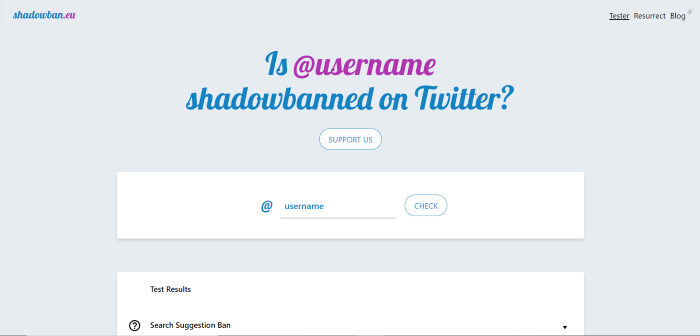
There’s no way to tell for sure if you’ve been shadowbanned on Twitter. However, you could try using the site Shadowban.eu, which claims to be able to detect a shadowban.
Instagram Shadowbanning
How frustrating is it to work hard at building up an Instagram following, only to see that your posts suddenly aren’t showing up?
Like with Twitter, Instagram’s CEO has publicly claimed that “shadowbanning is not a thing”, but as with Twitter, that’s not entirely true.
While you personally might not be being shadowbanned, the algorithm could still be hiding your posts.
Instagram’s algorithm is designed to remove certain content. Namely, the algorithm penalizes content that Instagram considers “inappropriate”, even if the content doesn’t go against the app’s Community Guidelines.
Specifically, they mention sexually-suggestive content. According to their Community Guidelines, spammy content and content associated with illegal activity or violence is also a no-go.
Instagram prefers “photos or videos that are appropriate for a diverse audience”… so less family-friendly content may be at risk of a shadowban.
How to Tell If You’re Shadowbanned on Instagram
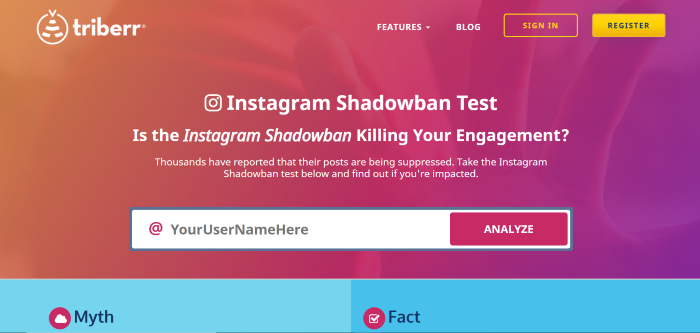
There’s no surefire way to tell if you’ve been shadowbanned on Instagram, but there are sites that say they can test it. Triberr is one option.
Reddit Shadowbanning
Shadowbanning on Reddit is a bit different from shadowbanning on other social media sites. Up until 2015, Reddit openly shadowbanned users who broke the site’s rules by hiding their posts.
Reddit then announced that the shadowbanning system had been replaced with an account suspension system. Basically, some Reddit staff thought that the shadowban tool had been useful for dealing with bots, but that banning real human users without telling them what they did wrong was unfair.
However, the site appears to still occasionally be using shadowbans, with the r/ShadowBan subreddit still active.
According to their official content policy, Reddit may enforce their rules by “removal of privileges from, or adding restrictions to, accounts”, and also by “removal of content”, among other methods.
How to Avoid Getting Shadowbanned on Reddit
Of course, to avoid getting shadowbanned on Reddit, you’ll need to follow their rules. But one tricky thing about that is that the rules on Reddit actually depend on the subreddit you are submitting to.
You’ll want to read and comment a lot first before submitting your own links. Watch how people react to various types of submissions within a specific subreddit, and then act accordingly.
You can also check out this unofficial guide on how to avoid being shadowbanned. Some key points:
Don’t spam or post too many links to your own content (if you post a lot of other things too, posting one or two links to your own work is OK)Don’t harass or constantly downvote another userDon’t dox others or encourage doxxing (posting someone’s personal information without their consent)Don’t post illegal or inappropriate contentDon’t abuse moderators or admins
How to Tell if You’re Shadowbanned on Reddit
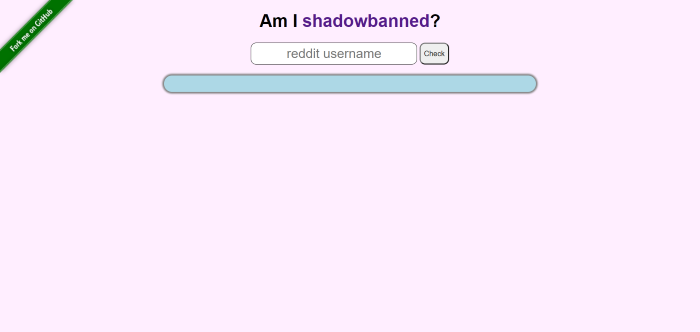
To find out if you’re shadowbanned on Reddit, make a post in the r/ShadowBan subreddit. A bot will respond to you, letting you know if you’re shadowbanned.
Even if you’re not, the bot will tell you which posts of yours have been removed recently (if any).
You could also use a third-party tool, like Am I Shadowbanned?
TikTok Shadowbanning
TikTok is a popular social network for sharing short videos. Unfortunately, you can get shadowbanned there too (kind of).
While there’s no official mention of the term “shadowban” in TikTok’s Community Guidelines, like other social media networks, TikTok uses algorithms to privilege certain content. If you get on the wrong side of the algorithm, fewer people might see the content you post.
To have more people see your content and avoid penalties, try to follow best practices for TikTok’s recommendation algorithm, and always follow the Community Guidelines.
Stay away from illegal material, violence, hate speech, spam, and other similar topics.
To check if you’ve been shadowbanned on TikTok, look at your pageviews and “For You” page statistics. You can also use a hashtag and see if your post shows up under that hashtag.
Facebook Shadowbanning
Facebook calls its content moderation policy “remove, reduce, and inform.”
Basically, content that violates Facebook’s Community Standards will be removed from the site, while other undesirable content (like misleading information) may be less visible on Facebook or have a warning label placed on it.
If Facebook is consistently “reducing” your content, that could be considered a type of shadowban.
The main thing you can do to trigger a shadowban on Facebook is to share links to fake or misleading information. Content on the site is checked by independent fact-checking organizations.
Facebook also penalizes links from websites that its algorithm considers clickbait. Low-authority websites without a lot of inbound and outbound links that generate a lot of clicks on Facebook may be considered clickbait.
Facebook groups where a lot of misleading links and clickbait are frequently shared may be shadowbanned.
If you’re worried your personal page, business page, or group might have been shadowbanned on Facebook, check for a change in engagement levels on your recent posts.
LinkedIn Shadowbanning
While people don’t often think about getting shadowbanned on LinkedIn, it’s possible for your content’s reach to be throttled there.
Like other social media sites, LinkedIn has Community Policies that all members need to follow to avoid problems.
Since LinkedIn is a professional site, its content policies are even stricter than other platforms. Not only should your content be safe, legal, and appropriate, it has to be professional as well.
Although LinkedIn is obviously a place for career growth and self-promotion, spamming people is still a no-go.
You’ll need to respect others’ privacy and intellectual property. You should also avoid harassment or unwanted romantic advances towards other members.
If you violate LinkedIn’s policies, they may “limit the visibility of certain content, or remove it entirely.”
That said, the LinkedIn algorithm is pretty complicated. Even if your content is perfectly professional and high-quality, it might still not be getting the reach you want.
Engagement and relevance are the top two factors to keep in mind when creating content for LinkedIn.
YouTube Shadowbanning
While it’s not exactly a social network, it’s definitely still a site where people go to learn and share content. Can you be shadowbanned from YouTube?
Well, YouTube shadowbanning has been in the news because of popular creator PewDiePie. According to his fans, the Swedish videogame YouTuber’s channel was penalized in YouTube search.
YouTube’s official response was that it doesn’t shadowban channels, but that some videos might be flagged and need to be reviewed before they show up in search.
In an interview with Polygon, they said they were “currently working on fixing the issue.”
7 Ways to Avoid Getting Shadowbanned on Social Media
Different social networks have their own opinions on what type of violations merit a shadowban. However, we can definitely see some general trends that are worth noting.
- Adhere to these guidelines if you want to be safe from a shadowban:
- Always stick to the Terms of Service
- Follow and watch power users in your category (see what and how they share)
- Don’t post links or copy-pasted content over and over
- If you’re unsure if the content is appropriate, avoid sharing it
- Treat others politely and respectfully
- Don’t use banned hashtags
- Avoid posting about illegal topics
Conclusion
You may not have any idea you are being shadowbanned. At least not at first… though over time, you may begin to suspect it.
What you should do to protect yourself is to be careful that what you post isn’t against the terms and conditions of the site or app. Also, try to avoid spamming content, starting fights with and trolling other users, or posting things that might be considered inappropriate.
A shadowban can be frustrating, especially if you don’t feel like you deserve one. Maybe you don’t agree with the social media algorithm about what is or isn’t inappropriate, or maybe you think you were having a constructive debate while the algorithm thinks you were being a troll.
However, hopefully, the tips in this guide can help you avoid being shadowbanned in the future, so your content can get better engagement.
What other ways can help people know if they’ve been shadowbanned? Let us know in the comments.
The post How to Tell if You’re Shadowbanned on Social Media appeared first on Neil Patel.
Source: neilpatel.com