
Tag Archives for " PPC Campaign "

How to Utilize Chatbots in Tandem With a PPC Campaign
Have you thought about incorporating the AI magic of chatbots with the wide net of a PPC ad campaign? Combining these two strategies can add a boost to your next digital marketing campaign.
To ensure a successful PPC campaign, you have to start with the end in mind.
- Where do you want people to go once they’ve seen your ad and shown some interest?
- Do you want to make a sale or provide information?
You also need to consider what they want to learn about you and how you can help them find all the information they want.
That’s where chatbots come in.
What Are Chatbots?
Chatbots are a type of artificial intelligence (AI) created to answer customer questions.
They’re capable of answering basic or common questions, sending people to pages answering their questions, looking up orders, and more.
You can program your bot to escalate a customer to a real person if needed as well.
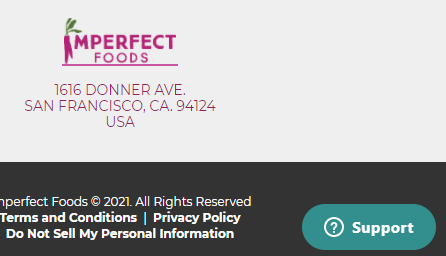
Most people think to look for chatbots in the lower right-hand corner of a company’s website.
The button may say something like “chat now” or “support,” like the one on Imperfect Foods’ website:
However, you can also set them up on Facebook Messenger and some other social media sites.
Chatbots can become very interactive, depending on the platform and the script.
Also, you can check in with them however often you want and follow up with prospects when needed.
Functionalities vary widely, but however you incorporate bots, they can be a powerful, real-time player in your digital marketing strategy, buttressing your PPC campaign with interactivity and deepened brand awareness.
5 Ways to Use Chatbots During a PPC Campaign
The great thing about adding chatbots to your PPC campaign strategy is the flexibility they bring.
No matter your business, sales goals, or individual PPC campaign goals, chatbots can become your right-hand person when you can’t be there for every click-through.
Here are five things they can do to help your customers while freeing you and your team up to focus on the big picture.
1. Answer User FAQs Immediately
We’ve all seen PPC ads, and chances are you’ve clicked on at least one because it intrigued you enough to want to learn more about what was in the content you saw.
- Was your curiosity satisfied immediately?
- Or did you have to dig for the information promised by the ad?
Save your prospective customer the trouble and have a chatbot ready to answer their questions.
When a user clicks the PPC ad, your chatbot can appear on the page and ask if they have any questions.
Through a series of scripts, you can help prospective customers learn more about you and find the products or services they need.
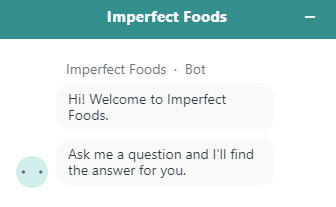
Going back to the Imperfect Foods example, if you’re a first-time visitor, it simply tells you to ask it a question.
However, if you’re a returning user, it knows why you probably clicked on the chat function: You forgot your password.
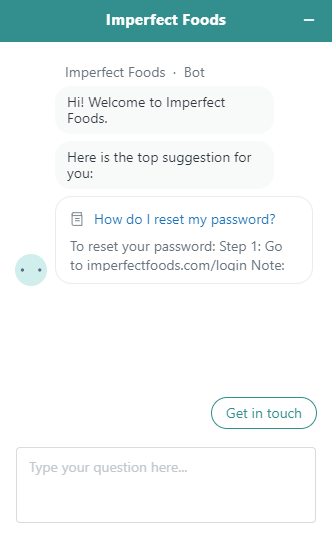
If that’s not knowing what your audience is going to ask, I don’t know what is.
2. Forge a Connection

People like to make a connection with real people behind a brand.
A chatbot is, by definition, a bot—not an actual person.
However, even when companies tell consumers they’re talking to a bot, something fascinating tends to happen.
According to Psychology Today, “When interacting with chatbots, our brain is led to believe that it is chatting with another human being.”
Further, since they are always there, ready to help, people can feel a real personal connection with them.
(So, be sure to program your bot’s voice to fit in with your brand story!)
This can improve brand awareness and encourage people to continue that connection by following you on social media or coming back to your website when they need your products or services.
It could also help with immediate sales. Getting emotions involved in your marketing can improve your leads and conversions.
People like feeling supported. When they come to your website and don’t have to poke around to get their questions answered and find the resources they’re looking for, they’re likely to feel better about the experience.
3. Direct Users to the Right Landing Pages, Product Pages, or Resources
As you create your PPC campaign, the reality is you can’t guess what every person is shopping for.
While you should create a targeted landing page or ensure your PPC ads take users to the right place, sometimes miscommunications between customer intent and where they land can occur.
How can you keep users from landing on your page, then immediately bouncing if they don’t see exactly what they need?
A chatbot can showcase your entire inventory or website content from any page your customer lands on.
You can use them to ask users what they’re looking for and direct them to the corresponding page or resource.
4. Learn More About Your Target Audience
PPC ad campaigns only tell you so much about who is clicking.
You can gather specific metrics from analytics, but those are often demographic stats from which you would have to deduce motivations or needs.
- What is your target market looking for?
- How can you help meet them where they are?
- Why not use a chatbot to actually ask them?
In an on-brand tone, you could have your chatbot pop up with a specific question to start a conversation.
Even if a customer chooses not to buy or comes back later, that chatbot conversation can help you uncover valuable information about your target market.
As the PPC campaign continues, you can look for patterns.
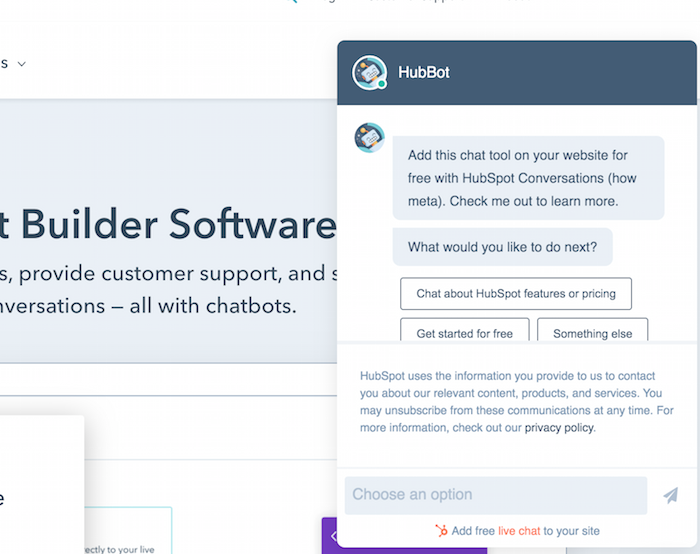
For example, HubSpot uses chatbots on their pages to ask the user what they want to do next.
HubSpot employees can review those conversations later to learn about what their viewers are looking for.
5. Improve Brand Awareness
Whether your PPC campaign is introducing potential customers to your brand for the first time, debuting a new product or service, or keeping your brand at the forefront of your target market’s mind, chatbot integration can help to improve your brand awareness.
From the first pop-up welcome or introduction message to the answers to questions, chatbots can be designed to show brand personality.
This can be as simple as just using vernacular specific to your brand and how your customers talk.
If your brand is casual, perhaps a chat could start with “Howdy!”
If your voice is more formal, something like “How may I assist you today?” could be more appropriate.
You can also incorporate any characters or mascots you use in your branding to be the “face” of the chatbot.
Generally, people logically know they aren’t talking to a real person and are okay with that.
However, it’s much more fun and feels more personal if they get to talk to a character associated with your company, thereby potentially improving their experience with your brand.

Evaluating the Success of Your PPC Chatbot Strategy
Before you can dive into the metrics and measure whether your chatbot PPC campaign is working, you need to define success for yourself.
What are you trying to accomplish with this campaign?
Success metrics could include:
- higher sales of a particular product or service
- more visitors to your website
- an increase in followers on a social media platform
- additional sign-ups for your newsletter
- heightened awareness of your brand offerings
When you know what defines success for this campaign, you can look at the right metrics to understand what’s working and what you can improve upon.
With the PPC campaign as a whole, one of the primary data points you can look at is click-throughs.
With chatbots, though, there is an added component: Interaction.
The conversations between chatbots and users allow you to answer questions like:
- How often are people using your chatbot?
- How long are the interactions?
- What sorts of things are users searching for?
- Which conversations turn into conversions?
The information you learn from your chatbots in your PPC campaign can help you:
- optimize campaigns for what buyers want based on common queries
- create content reflecting what buyers ask
- update inventory based on what buyers are looking for
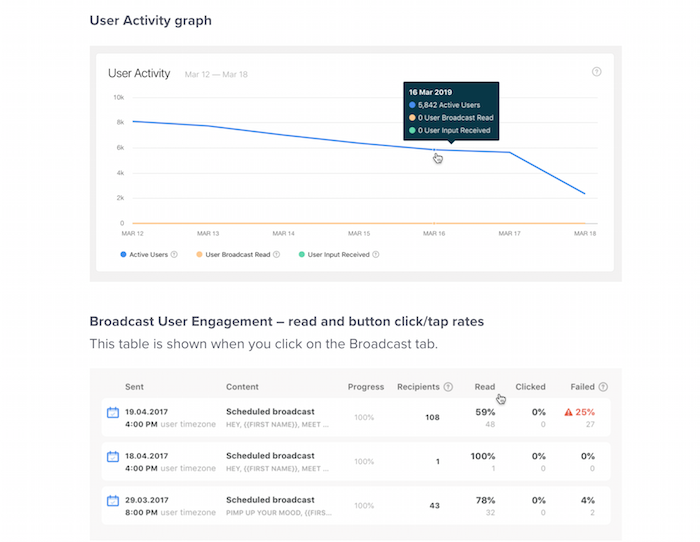
Here are two examples of how Chatfuel shares its chatbot metrics. Users can explore engagement through these dashboards. Most chatbot platforms have similar metric dashboards.
Chatbots for PPC Campaigns FAQs
Q: How do I get people to use my chatbot?
A: Your chatbot on your PPC campaign’s landing page needs to be obvious, popping up soon after a user clicks your link.
To encourage interaction, program your chatbot to welcome the user and ask them a question.
Q: What is the best chatbot platform?
A: The best chatbot platform for PPC campaigns is one you can seamlessly integrate onto the landing page where people click to.
This varies by your needs, but HubSpot’s Chatbot Builder, ManyChat, and Chatfuel may be worth checking out.

Q: How expensive is it to set up a chatbot?
A: Chatbot pricing depends on the provider and features you choose.
Many offer free trials or a free basic level, with prices going up after your trial or as you add additional options.
Q: How can I make my chatbot interesting?
A: Give your chatbots a personality in line with your brand.
Make the bot feel like a real person, even if you’re upfront about being a bot, so the user feels connected to your brand.
The bot should introduce itself, ask questions, and provide relevant information to customers as they interact.
Chatbots Conclusion
Using chatbots in tandem with PPC campaigns can make your prospective customers feel “seen,” help them learn more about your brand, and potentially increase conversions thanks to the help they give.
Setting up a chatbot on the landing page of your PPC campaign can put your brand’s features, options, benefits, and customizations at your customers’ fingertips from the get-go.
The chatbots your PPC campaigns introduce users to can also teach you more about what your customers want.
Then, you can use that data to create future digital marketing campaigns specific to their needs.
How are you going to incorporate chatbots into your next PPC campaign?
Source: neilpatel.com

How to Use Customer Journey Mapping for PPC Campaigns
However, when you combine PPC with customer journey mapping, you effectively guide your potential customers through all the phases to make a sale.

Source: https://www.youtube.com/watch?v=xNH7hKn0V8M
People might think PPC is all about having a huge budget to play with, but I’m here to tell you that’s not entirely true.
Yes, your PPC campaigns can be expensive if you haven’t mapped out your ads to the buyer’s journey.
However, when you combine PPC with customer journey mapping, you effectively guide your potential customers through all the phases to make a sale.
It helps you tighten your funnel and prevent leaks along the way, which can translate to more sales and less money spent on ineffective PPC ads.
By the end of this post, you’ll know how to align your PPC campaigns to your customer journey map and which KPIs to look for to measure your success.
What Is Customer Journey Mapping?
A customer journey map is a visualization of every step a prospect takes to complete your business’s desired action.
With PPC campaigns, the action is sales.
You want the right person to click through and convert into a paying customer.
To have high conversion rates, you need to understand the entire journey a customer goes through before clicking the “Add to Cart” button.
By combining customer journey mapping with your PPC campaigns, you can identify the actions, motivations, pain points, and areas of friction for each prospect and use that to figure out what messages would make them convert.
Why You Should Create a Customer Journey Map for Your PPC Campaigns
Before we jump into why you should combine PPC campaigns and customer journey mapping, let’s take a couple of steps back.
What exactly are PPC ads, and how can they help your business?
Pay-per-click (aka PPC) ads are an online advertising model.
Advertisers bid on specific keywords and only pay when a user clicks through.
Here are a few of the different types of PPC ads:
- Search result
- display
- social media
- video
- retargeting
Why should you use customer journey mapping for your paid ads?
Well, think of it this way:
When someone hops onto Google and starts typing a phrase, they’re somewhere on the customer journey spectrum.
They might be right at the beginning, where they’ve identified a problem (the awareness stage), or they could be aware of solutions to their problem and are on the hunt to make a purchase (the decision stage).
By curating PPC campaigns to a prospect’s journey, you can identify key touchpoints with your brand and the goals each person wants to achieve at every stage.
With this in your arsenal, you can make sure your ads speak to the buyer’s journey holistically and encourage prospects to make a purchase.
When you take the time to go through this process, it gives you a wealth of information to create stronger PPC campaigns.
You’ve created an entire ecosystem to guide the customer through the buying process and make sure they feel safe doing business with you.
To sum it up, combining your PPC ads with customer journey mapping can help you:
Gain valuable insights:
- Customer journey mapping tells you what a prospect expects from you at each stage.
- This, in turn, helps you meet a prospect’s needs and nurture them to the final stage.
Understand touchpoints:
- The buyer’s journey isn’t linear.
- A prospect might need multiple interactions with your brand before making a decision.
- By connecting these touchpoints to your PPC campaigns, you can keep them engaged, educate them to make a decision, and avoid losing the sale.
Stronger PPC campaigns:
- By using all the data you have on your prospects and customers, you can predict behaviors.
- By anticipating what someone needs from you, you can optimize your conversion process and waste less money on PPC ads.
How to Create a Customer Journey Map for Your PPC Campaigns
It’s tough to see site visitor numbers go up and sales stay the same.
However, keep in mind that what those visitors are saying isn’t a hard “no,” but rather a “not right now.”
When you use customer journey mapping with your PPC campaigns, you can learn more about what a person needs to hear from you to eventually get them to say yes.

To do that, you need a marketing funnel for each part of the customer journey.
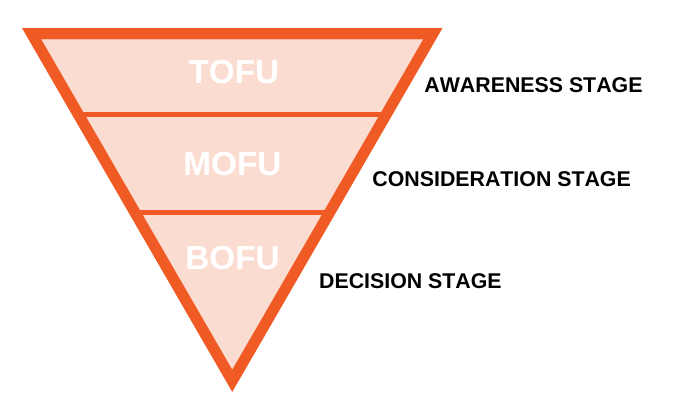
What strategies should you be applying at each stage with your PPC campaigns?
Let’s break it down.
Top of Funnel (TOFU) PPC Campaigns
The top of the funnel is the stage of awareness.
Your future customers are not aware of you yet, and your number one goal is to create brand awareness and educate prospects.
How do you make people aware of your brand with PPC?
Here are a few ways:
Display ads:
Use display ads to give away free value.
You want to give potential customers quick wins with blog posts, whitepapers, or e-books.
For your targeting methods, use keyword contextual targeting.
It matches keyword-targeted ads to sites within the Google Display Network.
You can also use topic targeting to make sure your ad appears on relevant websites, apps, and videos.
YouTube ads:
Having over 2 billion users, YouTube is one of the best places to grow your brand awareness.

Here’s how to grow your business using YouTube ads with a complete breakdown of the different ad formats and their success rates.
Social media ads:
Depending on where your audience hangs out, ads on Facebook, Instagram, or Pinterest can help with brand awareness.
Facebook offers the most robust targeting, allowing you to reach people interested in specific topics or accounts similar to people already engaging with your brand.
Google Ads:
Someone in the awareness stage won’t use branded keywords.
Instead, they’ll use broad words and phrases related to their problem.
For example, “Which TV is best” or “hiking backpack.”
Using different keywords at each stage of the sales funnel can help optimize your PPC campaigns.
The key performance for your PPC campaign in the awareness stage is brand recognition.
You’re not going to convert a visitor into a customer yet.
This campaign is an investment to move the user down the funnel and eventually close the sale.
You want to focus on metrics like:
- bounce rate
- time spent on site
- reach
- impressions
- CPM (cost per 1,000 impressions)
Middle of Funnel (MOFU) PPC Campaigns
Once someone enters the middle of the funnel, the person is interested in making a purchase.
These buyers are now aware of their problems and are actively looking for a solution.
Your PPC ads become more specific as the search for a solution narrows.
Google Ads:
Ensure you’re creating PPC ads for people actively searching for your product or service.
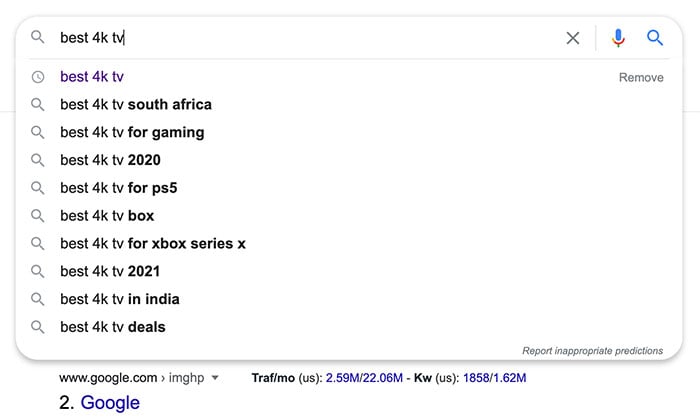
For example, if a customer is looking to buy a TV, their searches will contain more qualifying terms such as “plasma TV,” “4k TV,” or “best 4k TV for gaming.”
Remarketing:
Remarketing is a powerful component of PPC marketing.
You can use it to serve ads to blog readers, users who have spent X amount of time on your site, or people who have downloaded your TV comparison guide.
YouTube:
YouTube has a video ad sequence campaign you can use to generate awareness around your business. You can set it up as a campaign subtype under “product and brand consideration” goals in Google Ads.
It allows you to create a custom sequence or use a sequence template.
The key performance metric for your PPC campaign in the consideration stage is to get people to understand your product and want to buy it.
To do this, give them all the information to make an informed decision and move them to the next stage.
You want to focus on metrics like:
- clicks
- CPC (cost per click)
- views
- new user conversions
- new user conversion rate
Bottom of Funnel (BOFU) PPC Campaigns
BOFU is the decision phase of the customer journey.
Your prospect has identified a problem, done the research, and is ready to make an informed purchase.
At this stage, your PPC traffic is hot.
Users know who you are and are prepared to convert.
Your PPC ads will start to get more niche and revolve around high-intent keywords.
Consider the following strategies for BOFU:
Target your brand name:
If the customer is searching for your name, congrats! All your hard work in TOFU and MOFU has paid off.
They’re aware of your brand and what you offer.
The search phrases you want to target are specific and include your brand name like “buy LG 4k TV.”
Focus on high-intent search ads:
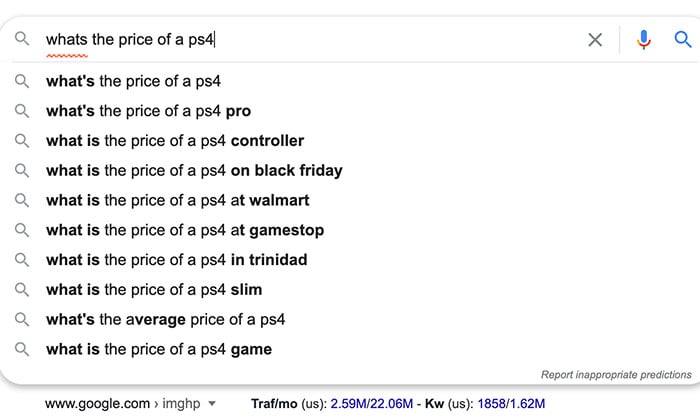
In the BOFU stage, make sure your PPC ad keywords are targeting high-intent search terms like “buy,” “what’s the price of,” competitor names, and location-specific terms.
Utilize remarketing:
Set up PPC remarketing campaigns for customers who have viewed a product or abandoned their cart.
You can also offer a deal to lure them back to your site and complete the purchase.
The key performance metric for your PPC campaign in the decision stage is conversions.
This is when people are ready to buy, and you should focus on revenue metrics like sales and return on ad spend (ROAS).
Tips for Integrating Your Customer Journey Mapping Into Your PPC Campaigns
Now that you know all about customer journey mapping and how to use it in your PPC campaigns, here are some things to keep in mind:
Spend time crafting your buyer personas:
The more you understand your customers, the better you can map their journey and tweak your PPC campaigns.
Write better ad copy:
Do something that will grab their attention and stop the user mid-scroll.
You want to make them feel like you’re reading their minds and ultimately push them deeper into your funnel.
Dedicate time to keyword research:
Using the right keywords is the difference between a successful PPC campaign and a flop.
You want to make sure you’ve mapped out your keywords to the different phases, and you’re encouraging the user to make a purchase.
Build your remarketing lists:
Don’t put off fine-tuning your remarketing.
When you combine this essential part of PPC with customer journey mapping, it’s integral to make sure you’re guiding the user down your funnel.
You can create remarketing audiences with Google Analytics and use them for your ads.
Test, analyze, and tweak:
You can only find leaks in your funnel and fix them by constantly testing and monitoring your results.
Tweak your ad messaging, look at your conversion path analytics, and adjust your strategy until you have a winning formula for your PPC campaigns.

Learn How to do successful PPC Ads.
Conclusion
To sum it up, combining your PPC campaigns and the buyer’s journey is all about serving the right message to the right person at the right time.
You want to make sure you’re providing the correct content and information whether someone enters your funnel at the top, middle, or bottom.
Once you’ve created this flow in your PPC campaigns, you’ll see more flow in your business, as well as predictability, results, and less money wasted on a leaky funnel.
What’s your biggest struggle when it comes to mapping out your PPC campaigns with your customer journey?
The post How to Use Customer Journey Mapping for PPC Campaigns appeared first on Neil Patel.
Source: feedproxy.google.com