
Tag Archives for " agency "

How to Choose The Right Social Media Agency
Once you know that you’d like to work with a social media agency, the next step is, of course, figuring out how to choose the right one. So, here are some mighty useful tips for you:
The power of social media as a marketing and advertising channel is hard to deny.
42% of all Internet users use social networks to find more information about brands.
Plus, 27% of UK and US users say they discovered new brands via social media ads this year. (It shared the top spot for brand discovery with TV ads).
With this much potential, you need to know that you’re doing it right. You might want to work with a social media agency if you:
have a budget but aren’t sure how to get the most from it and struggling to increase performance don’t know how to measure the results of your social media efforts etc.
Once you know that you’d like to work with a social media agency, the next step is, of course, figuring out how to choose the right one. So, here are some mighty useful tips for you:
Know Your Goals and Desired Outcomes
The first thing you must establish is what you hope to achieve through social media.
Your goals will inform your social media strategy and how you measure success, which can only benefit your business…
Research shows that companies with a defined content strategy achieve 27.1% higher win rates and 18.1% higher quota attainment rates.
Having goals will also help you to allocate your budget and resources.
When you know what’s most important to your business you can delegate wisely and get more bang for your buck.
Here are some fundamental social media goals you may wish to strive for:
1. Increase Brand Awareness
Your goal is to reach a bunch of new people on social media. You want to increase your online presence and get people talking about your brand or content.
So, you might work on upping your following, mentions, and share count.
2. Generate Leads
You want to use social media to plant the seeds of interest and encourage potential customers to enter your sales funnel. For example, you can gather email subscribers from social media by posting your best-gated content as ads.
3. Boost Sales
You aim to use social media in a way that directly impacts revenue. You might, for instance, use audience insights to advertise relevant products to the right people.
4. Increase Engagement
Your goal is to get people to interact with your social media posts. This boosts customer loyalty and makes people feel more of an affinity with your brand.
Thus, you’ll work on getting more likes, comments, and so on.
5. Create a Community
You may wish to boost engagement even further by building a dedicated community around your brand.
For example, you might focus on creating an active Facebook group or use a branded hashtag to encourage regular conversations about your brand or products.
6. Provide Great Customer Service
It’s now common practice for people to reach out to brands for help (or to complain) on social media.
Therefore, your goal might be to stay on top of those communications in order to keep customers satisfied.
Once you know what your goals are, you can share them with a social media agency and create milestones to reach together.
3 Characteristics that Make a Great Social Media Agency
Bear in mind that there are a few key elements you need to look for when choosing a social media agency:
1. They Offer a Customized Service
Some agencies use the same social media strategies for all of their clients. This simply doesn’t work.
Each client has a unique target audience and their own business objectives.
So, social media strategy can’t be a one-size-fits-all thing. You need to find an agency that offers a personalized experience catered to your needs and goals.
2. They Have a High Level of Expertise
There are thousands of digital agencies in the US alone. Many offer a broad range of similar services. It’s no wonder then that it’s difficult to choose between them when they all offer the same thing.
Thus, the differentiating factor has to be a refined level of expertise.
At Neil Patel Digital, for example, we know what we do well and we know what’s going to perform. That’s why we’ve perfected our specialism: creating impactful paid social campaigns.
3. They’re Proven to Get Results
A great social media agency can prove they create high-performing campaigns.
Hence, you should look for case studies, testimonials, and reviews that show the agency is capable.
All in all, you must seek out an agency that has credibility, expertise and offers a service catered to your needs.
How to Work with a Social Media Agency?
Working with a social media agency is a two-way street. Here’s what you need to do to get the most out of your collaboration:
1. Be Clear and Realistic About Your Goals and Expectations
The social media agency you work with can for sure help you with goal-setting if you don’t know where to start.
However, if you do have goals and expectations in mind you need to communicate them clearly.
Because otherwise, they won’t be able to meet all of your expectations… unless they have somebody with the psychic powers of Professor X working at their agency.
The simplest way to make sure your goals are clear and realistic is to have SMART goals.
They should be Specific, Measurable, Achievable, Relevant, and Time-bound.
2. Share the Right Info
A social media agency will be able to achieve more on your behalf if you share relevant documentation, guides, plans, and reports with them.
For instance, you might have a documented content strategy across multiple channels, including your blog, email newsletter, and so on.
The social media agency will need to align what they do with your overarching strategy.
Or, perhaps, you have a strict brand style guide. Share the guide and the agency will be able to choose the right tone and design elements for any creative that they produce.
The purpose of sharing the right information is to make sure the agency gets on the same page as you as quickly as possible.
3. Communicate Well
It’s not only important that you communicate your goals and the right information at the beginning of your working relationship, but also that you keep up communications throughout campaigns or projects.
If you’re able to communicate effectively and efficiently, all of your social media ads and content will go out on time and meet your requirements.
This means you have to do the necessary work on your end, too, for example, sharing new company information you want to post in advance or approving content as scheduled.
Above all, communication is key throughout the entire process. A social media agency will want to help you achieve your desired outcomes, but you have to empower them to do so.
How to Find the Right Social Media Agency for You
Research and compare social media agencies before you make a decision. There are a number of places you can find relevant information, aside from a company’s website.
Seek out credible reviews from sites, such as Clutch, G2, and FeaturedCustomers. A Google search will also pull up mentions of the agency around the web.
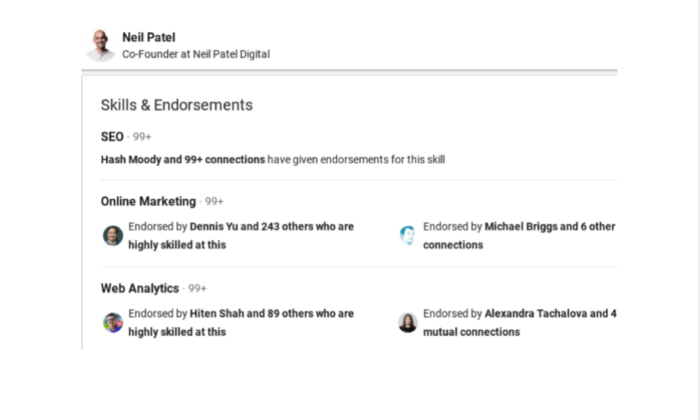
You can take a deeper dive into an agency by looking them up on LinkedIn. Check out the company’s top brass and see if they have been endorsed and recommended by clients and peers.
Researching these sources isn’t just about seeing how many stars a company has to its name, however.
You will also get an idea of what size clients they work with, what kind of projects they work on, and the average budget of their clients. This will help you see if, generally, you’re a good fit.
Similarly, you need to know if the agency specializes in the social media services you’re looking for. For this, you may need to do some groundwork.
Consider the goals you’d like to achieve and what methods or tactics will help you achieve them.
To help you along in your research, I’ve put together a shortlist of the top social media agencies for different specialisms:
The 8 Top Social Media Agencies
#1 Neil Patel Digital — Best for Social Media Advertising
The expert team at Neil Patel Digital creates winning paid social media campaigns using thorough customer research and data-driven analysis.
Thanks to our extensive skill sets and experience, we’ve been able to work with some mega-brands, such as eBay, Google, and Intuit.
We’ll help you realize your business objectives through effective audience targeting, powerful messaging, and exceptional creativity.
#2 Viral Nation — Best for Influencer-Driven Marketing
Viral Nation is best-in-class for influencer marketing campaigns. They work with a wide range of influencers, from nano-influencers to macro-influencers and celebrities.
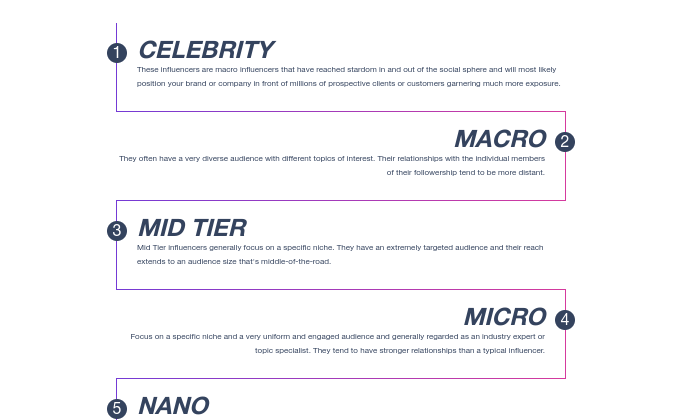
As per their name the agency aims to create viral campaigns that produce a high return on your investment. Furthermore, Viral Nation can help you grow on both established and emerging social channels, such as TikTok and Twitch.
#3 Pan Up Productions — Best for Video
Pan Up has created unique and creative social video campaigns for a number of big-name brands, such as Netflix and Apple. For instance, they recently co-produced a pop-up wedding in NYC based on the Netflix show The Umbrella Academy.

Note that they also work with up-and-comers in a number of spaces, such as e-commerce.
#4 Joseph Studios — Best for Organic Growth
Joseph Studios focuses on non-paid social media promo for B2B and B2C clients, which includes activities, such as customer engagement and community building.
The agency has a solid reputation online and has proven its ability to drive more impressions, engagement, and social media actions organically.
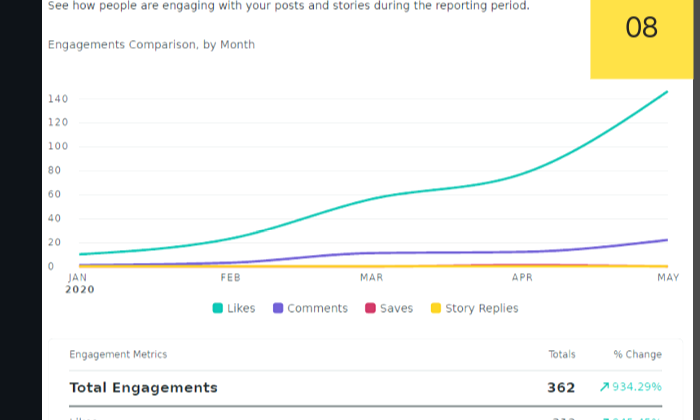
#5 Social Media 55 — Best for Industry-Specific Marketing
What’s interesting about Social Media 55 is that they have expertise in a number of specific niches, such as bridal, political, and real estate. As such, they’re able to hone in on niche-specific tactics and strategies.
They also offer a range of general services, such as influencer marketing and social media management for SMBs.
#6 Sculpt — Best for SaaS and B2B
Sculpt works with B2B and SaaS companies who hope to acquire leads and customers through social media. The agency has a number of case studies that showcase high-performing social media campaigns.
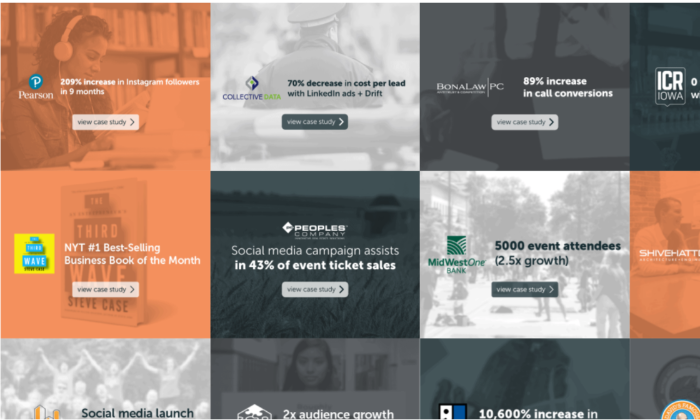
Also worth noting is that Sculpt doesn’t work solely with B2B brands, they also handle social for charities and nonprofits.
#7 Sociallyin — Best for Reputation Management
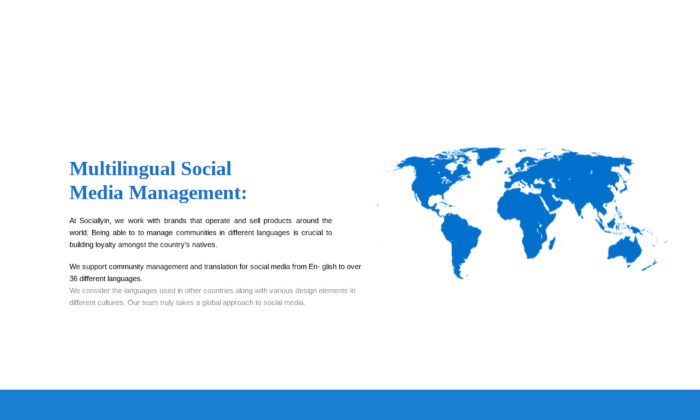
Sociallyin specializes in community and reputation management. As such, activities include customer support and engagement, along with analytics and brand monitoring.
They work with brands of varying sizes and on an international level, as they also offer multilingual social media services.
Some notable clients include Toyota and TGI Fridays.
#8 Brafton — Best for Custom Extras
What makes Brafton stand out is the unique add-ons they offer alongside their social media packages. For instance, you can add live blogging or live Tweeting for events or news coverage.
Despite being a large agency, clients have praised the quality of their work and their communication skills.
As you can see, these agencies have different specialisms and tend to work on different kinds of projects. So, it really does pay to have an understanding of what you hope to achieve from the get-go.
Conclusion
With more people using social media to research brands and purchases, it’d be crazy not to take advantage of it as a marketing or advertising channel.
But, there may be areas where your knowledge or resources are lacking. So, it’s natural that you’d consider working with a social media agency.
The first step in choosing an agency is to know your goals and desired outcomes. The reason being, your goals will inform the strategies you want an agency to pursue you and help you seek out experts that are the right fit for you.
What are the business objectives you’d like to achieve through social media?
The post How to Choose The Right Social Media Agency appeared first on Neil Patel.
Source: feedproxy.google.com

How to Choose The Right Analytics Agency
Before rushing into hiring an analytics agency, take the time to conduct a full audit of where you are today and where you want to be, while being conscious of how leveraging data can help you get there.
In our modern digitally enhanced world, data and information underpin all of our activities.
But are you making your data work for you, or is it something that you are yet to take full advantage of?
For many business owners and marketers, analyzing and deploying data can be an intimidating prospect.
For that reason, analytics agencies have emerged, whose aim is to help businesses leverage their data for better decision making and improved outcomes.
If you are thinking about hiring an analytics agency, here is everything you need to know.
Know Your Goals and Desired Outcomes
Like when working with any agency partner, you first need to consider your current situation and goals.
The reason for this is that not every analytics agency is built in the same way.
Some agencies work with certain industries or companies at different stages of maturity.
Other agencies specialize in certain areas of analytics such as marketing vs operations.
There are also differences in how they execute. For instance, one agency may rely heavily on technology to power its insights. Whereas others may rely more on their years of experience and human intuition.
Think about Your Goals
When thinking about your goals, consider these aspects:
- Your existing data – Think about the data assets that you are currently building. This can include things like marketing channels (search, PPC, content), operations, or product data.
- The role of data in your business – Next, you will need to think about the role that data plays in your business. For instance, do you need to use data to predict and manage your inventory? Or perhaps you may need to leverage data to scale an existing marketing channel.
- Your budget – Naturally, there is a varying service fee depending on which agency you work with. Depending on what you want to achieve, you need to think about how much budget you can allocate to an analytics service.
- Business priorities – Ultimately, you will need to think about what is a priority for your business at the moment. This is where you should spend most of your time thinking and see how data and analytics syncs up with your main priority. Maybe you need to optimize your processes to reduce costs. Or perhaps you need to discover new market segments by leveraging customer data.
Before rushing into hiring an analytics agency, take the time to conduct a full audit of where you are today and where you want to be, while being conscious of how leveraging data can help you get there.
6 Characteristics That Make a Great Analytics Agency
Choosing the right analytics agency can be tricky if you don’t know much about analytics yourself.
In addition to a partner that can provide all the technical fundamentals of analytics, you will need someone who guides you and helps you make sense of what’s going on with your data.
And in the ideal case, a partner can help take over the execution of your new data-informed strategy, particularly when it comes to the marketing aspect.
When evaluating an analytics agency, make sure that you vet for these characteristics.
Thought Leadership
Thought leadership describes the esteem and authority a company is held in in a particular industry.
This position is typically achieved by that company producing content that educates, solves industry problems and demonstrates superior expertise.
Take a look at the type of content that a given analytics agency is producing.
Are they even creating content at all?
Is the content insightful and communicated in a clear and concise manner (this also affects how they will communicate with you)?
An analytics agency that is producing good thought leadership content also signifies whether that company is on top of the latest trends, which is needed in fast-evolving fields.
Powerful Technology
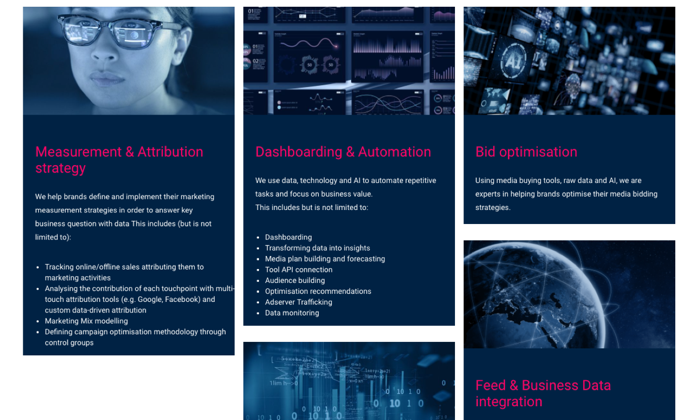
Your analytics agency partner will need to have the appropriate technologies built that can help you aggregate and make sense of your data.
Their technology will need to be able to integrate with your data sources such as Google Analytics or Shopify, depending on the platforms that you use.
They should also have a platform that allows you to view and make sense of this data in a way that provides an intuitive user experience – such as the ability to visualize data with graphs or easily download reports.
In an ideal case, your analytics agency will have more advanced technology such as machine learning algorithms which can crunch and manipulate data for deeper analysis.
A Well-rounded Team
Analytics sits at the intersection between the world of numbers and the world of words.
There’s no point in collecting data if you can’t turn that data into actionable insights and strategy.
For that reason, the analytics agency that you work with will need to have a diverse set of team members who are both analytical but also creative.
This could include team members such as data scientists, psychologists, and digital marketers.
Bonus points for analytic agencies that have strong founders, as the insight and disposition of the founder is often imprinted onto the companies culture – affecting how they think and execute.
A Solid Client List
Sometimes, you can gauge the value of a company simply by looking at who they’ve worked with within the past.
If the analytics agency you are considering has an impressive track record of working with big names such as Google or Intuit, then chances are that they know their stuff.
One caveat though: even if the agency has worked with impressive brand names, it doesn’t mean that they will necessarily be the right fit for you.
For a start, you may not even be able to afford their fees. And even if you could, they may be more optimized to working with bigger clients or clients with different needs.
So consider also the relevance of their client list in relation to your particular situation.
Clear Communication
If you are working with an analytics agency, you want a partner that can explain to you the story behind your data.
The first way they need to do this is through their technology, which should allow you to visualize your data through graphs, charts, and other meaningful ways.
The second way they should do this is through how they communicate actionable insights through storytelling, and ideally strategy creation.
Remember that although data is objective, it doesn’t guarantee that the interpretation of that data will be objective too.
For that reason, your partner should always have a strong, clearly communicated, and logical case for their analysis. This way, you can know that you are making informed decisions.
Syncing With Your Team
Working with an analytics agency requires synchronization between both your technology and your teams.
Your development team will need to be able to easily integrate and set up with your partners.
Your marketing team will need to feel confident and informed enough to adapt their strategies based on the insights your partners are providing.
To work successfully with an analytics agency, both your teams need to be on the same wavelength. Strategy, expectations, and skillsets need to be well aligned to get the best results.
How to Work With an Analytics Agency
Each analytics agency that you work with will have a slightly different process. In general, however, there is an overriding structure that will be the same from company to company.
In order to reach a successful outcome when working with an analytics agency, you should typically go through these steps.
Share your goals –
Your agency partner should have a complete understanding of your goals including services, timeline, and results.
You will need to be as transparent as possible at the start of your relationship to ensure that you both have the appropriate expectations going forward.
For instance, if you will actually need help with the marketing execution but you’ve partnered with a tech-focused agency, there will likely be an issue later on.
Manage expectations –
It’s important to also manage clear expectations about what’s possible early on. Some agencies offer a variety of additional services such as helping with strategy or machine-generated analytics.
Others may just offer a simple dashboard. It’s also important to understand the role of analytics in general and what its uses and limitations are.
Map out your assets –
Your data assets represent the existing ways that you are collecting and storing data across your business.
You will need to map out all your existing assets such as marketing channels (Google Analytics, etc), operations (inventory management, etc), and technology.
These will then be used by your analytics agency for integration and analysis.
Integration –
With your assets in place, you will then need to integrate them with your analytics partner.
In the best case, your partner will have their own platform and will work with your development team to connect your data assets.
If you are working with a smaller agency, however, they may choose to access your data directly, in which case you would need to provide them the login credentials to the software you use.
Reporting –
Once everything has been connected, your analytics agency will begin conducting an audit of your existing data assets.
If they have a platform, you will be able to access and view all of your data in one place.
The best agencies will allow you to view and manipulate your data in a user-friendly way through graphs, charts, and reports.
They may also have machine learning technology that makes sense of your data without any human input.
Analysis –
With technology, the human eye, or a combination of both, your analytics agency will help you make sense of your data by telling you the story behind the numbers.
They should then help you produce actionable insights which will inform your strategy going forward.
Strategy –
With your existing data fully analyzed, you will then need to update your strategy, depending on the insights produced.
For instance, you may choose to double down on a particular sales channel or realize that you need to remove a bottleneck in your operations.
Execution –
Some analytics agencies offer services beyond analytics, such as marketing execution.
Your data may signify that you lack the necessary human capital to generate results with your existing or new strategy.
Here, your agency partner may be able to help by taking over the reins of wherever you are coming up short.
Monitoring –
On an ongoing basis, your agency partner will work with you to ensure that your data, strategy, and execution are all synced up.
You should be having analysis and strategy meetings with them at least once a month, but also be able to access your data and any computer-generated insights on demand.
How to Find The Right Analytics Agency For You
Finding the right analytics agency requires that you look out for and vet certain things. We have spoken about some characteristics to look out for here and what to expect when working with an analytics partner.
Here is a quick summary of the things to look for when finding the best analytics agency:
Characteristics:
Full-stack marketers –
When analyzing your marketing data, it helps a lot if your analytics agency is marketers themselves.
That way, they can help turn your data into strategies that actually get results.
Strong technology –
An analytics platform is a bare minimum your agency partner should have.
If they have machine learning and data-crunching algorithms, even better.
An all-star team –
Your analytics agency needs to have a diverse set of team members that understand both numbers and marketing psychology. A strong founding team is also something to look out for.
A strong client roster –
Agencies that have worked with big brands are always a good sign. But when inquiring, try to find out if they have worked with brands similar to yours in terms of size and industry.
A great communication style –
Making sense of data is one thing, but explaining it in a clear and concise manner is something else. An analytics agency that can storytelling in a meaningful way will help you put your data to use.
They take a holistic approach –
There are numerous sources of data that you are probably collecting. The more sources of data they can integrate and analyze the better.
What to expect:
Onboarding and integration –
The first thing your agency partner should do is onboard you to their platform and talk you through the process.
This will include things like syncing up your technology and managing expectations in terms of outcomes.
Auditing of assets –
Next, they will need to do an audit of your existing data assets and come up with actionable insights which will turn into strategy and then execution.
Setting up marketing channels –
If your analytics agency offers services beyond analytics, they will work with you to execute your marketing strategy, including channels such as SEO, PPC, and social media.
Data management –
On a continuous basis, you will be able to access and view your data through your agency partner. You will be able to download reports and visualize your data.
Actionable insights and results –
The best analytics agencies really stand out when it comes to translating your data into insights, strategy, and execution.
You should work with your agency to ensure that your data is informing decision-making and driving results.
The Top 3 Analytic Agencies
There are hundreds of good analytic companies out there that serve all types of needs.
It is unlikely however that you have the time to go through and vet them all, so we’ve filtered down the top 3 analytic agencies, based on the various criteria we’ve discussed in this article.
The top 3 agencies listed here have different strengths and weaknesses, so you will have to decide which is the best fit for you.
1 – NP Digital — Best For Marketing Execution
If you think that you will need helping to put the insights from your data into practice, then you should work with NP Digital.
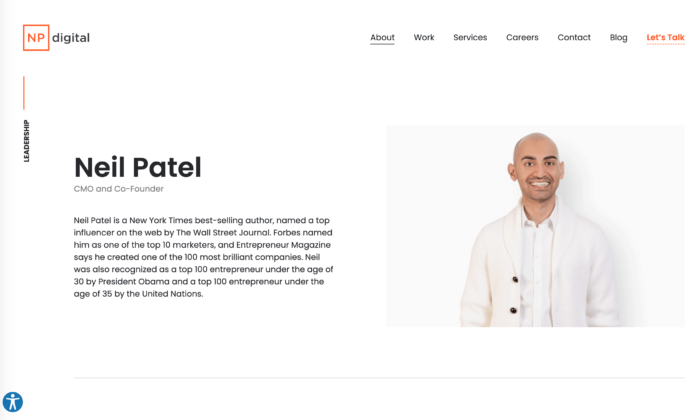
The agency was founded by Neil Patel, one of the most influential digital marketers in the world.
And in addition to the analytics services they provide, they can also help you set up and execute a results-driven marketing strategy.
They have worked with big brand names including companies such as Google and Intuit.
2 – Artefact — Best For Technology
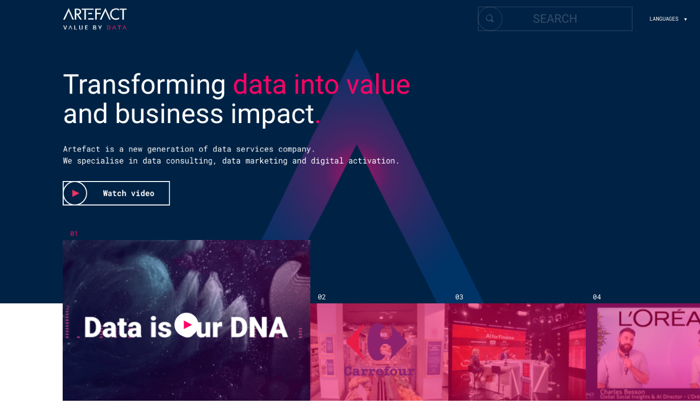
Perhaps you are in an industry where you have a ton of data to analyze, or data plays a critical role in your ability to compete in the market.
In this case, you should consider Artefact, an agency that has a robust technology stack that leverages artificial intelligence to really get the most out of your data.
They have a strong and diverse team, ranging from social scientists to statisticians, and have worked with companies such as Greenpeace and Carrefour.
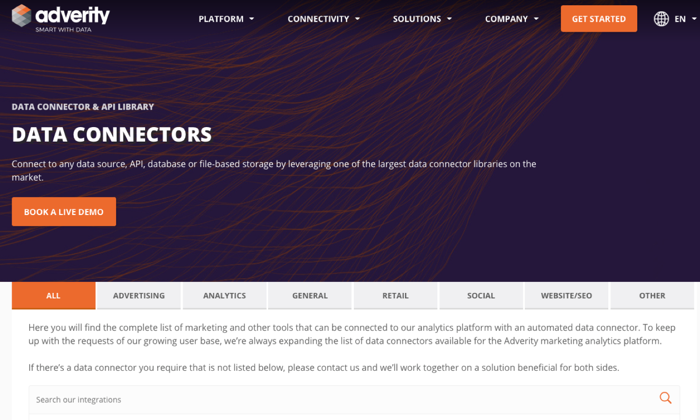
3 – Adverity — Best For Smaller Businesses
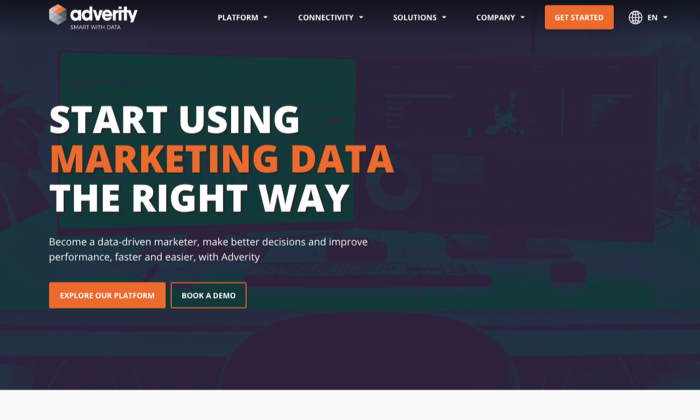
For smaller businesses that may not be able to afford high-end agency fees, Adverity may be a better match.
Although Adverity is more of a technology platform than an agency partner, you will be able to amplify your analytics strategy at a fraction of the cost.
The platform allows you to integrate data sources from operations to marketing.
The drawback of course is that you don’t have the human level insight and execution that consultative agencies provide.
Adverity currently has a 4.5/5 star rating with over 100 reviews on the G2 website.
Conclusion
At this point, you should have a good idea of how to choose an analytics agency.
Keep in mind that everything is written is from our perspective, and there may be other things you should consider when evaluating an agency.
Before you finally pull the trigger and sign any contract, make sure that the analytics agency you want to work with has worked with companies similar to yours and that they can demonstrate some results.
The post How to Choose The Right Analytics Agency appeared first on Neil Patel.
Source: neilpatel.com

How to Choose The Right Content Marketing Agency
Content marketers who blog regularly receive 55 percent more website visitors and 67 percent more leads than those who don’t. Organizations that prioritize content marketing receive 13X more ROI than those that don’t.

It’s no secret that content marketing works.
What’s difficult is showing up day after day, with fresh content your readers find educational and valuable.
After a while, the content marketing arms race can become a grind.
If you have the right content marketing agency, growth is easier.
It’s simple to create content that’s focused, helpful, and profitable.
Know your content marketing goals and desired outcomes
Research from the Content Marketing Institute shows 80 percent of B2B marketers use metrics to measure their content performance, 65 percent have set KPIs, and 43 percent measure their content marketing ROI.

Do you?
If you’re not sure about your goals and desired outcomes, content marketing can become an expensive black hole.
Successful content marketing starts with setting goals and objectives.
The metrics and KPIs you use depends on a few different factors — the size and location of your business, your industry, and your circumstances.
Here’s a list of the top six metrics marketers have used to measure their content marketing performance in the last 12 months.
- Email engagement (e.g., opens, clicks, downloads)
- Website traffic (e.g., page views, unique visitors, backlinks, conversions)
- Social media metrics (e.g., shares, follows, views, likes)
- Conversions (e.g., traffic to leads, traffic to subscribers, leads to sales)
- Subscriber counts (e.g., # of follows, growth, unsubscribe)
- Search rankings
What should your goals and desired outcomes be?
When it comes to content marketing, there really isn’t a shortage of metrics.
If you wanted to, you could track 50+ metrics around your business.
That’s not helpful if you’re focused on vanity metrics that don’t help you grow.
You’ll probably want to focus your attention on the metrics that are directly tied to your revenue.
This is why goals and outcomes are so important.
If you’re aware of the goals and outcomes you want, you have a better sense of the metrics you need to track.
These metrics show you whether you’re getting close to your goal or not.
Here’s an example.
If you’re running a SaaS business, you’d be focused on improving the five must-have metrics.
- Increasing monthly recurring revenue (MRR)
- Decreasing user churn rates
- Decreasing cost per acquisition
- Increase average revenue per customer
- Increase the Customer lifetime value
If you’re focused on these goals, your content marketing metrics would be directly tied to these as well.
If you’re a SaaS business, you’d prioritize content marketing metrics like traffic, subscriber counts, and conversions.
These would have the biggest impact on your SaaS business.
- What specifically do I need to stay in business? (e.g., $75K per mo., 300 basic customers, churn rate of 4.7% or less)
- Which areas of my business cost me money? (e.g., low return on ad spend, high acquisition costs, high churn rates)
- Where are my most/least profitable customers coming from?
- Which content produces the most revenue?
Start with the core metrics in your business. Ask yourself these four questions to get a better idea of your core metrics.
You can always add more metrics if you need more data.
9 Characteristics That Make a Great Content Marketing Agency
Clutch.co lists more than 13,873 content marketing agencies on its website.
New agencies are added every day.
How do you know that the agency you choose is a good fit?
What kind of characteristics make a great content marketing agency?
You need to know what you’re looking for in an agency.
Here’s a list of the qualities and characteristics you need to find the right agency for your business.
A good reputation:
Good reviews and testimonials are a good start. If you’re looking for an agency, they should have a portfolio of well-written content as well as online reviews, case studies, or references they can provide.
You’ll want to go deeper; the agency you choose should have a portfolio of relevant content you can review.
They should also have a good reputation with journalists, publishers, and influencers.
If you run into any red flags here, they’ll need to explain why.
No ethical grey areas:
Your agency should have a hard-line stance against obvious issues like plagiarism, inaccurate or misleading content, or material that’s socially inappropriate.
But they should also have a clear stance against ethically murky issues like pay-for-play, paid links, or undisclosed conflicts of interest.
When exposed, these unethical moves do permanent damage to your business, even if your agency did this with another client.
Project management skills:
Content marketing depends on deadlines.
If you’re working with journalists, partners, or influencers, you’ll need an agency that can provide you with on-time and in-budget content delivery.
An editorial calendar can be difficult to manage; your agency should be able to handle these details for you.
Ask them to show you their project management process.
Clear goal setting:
Your agency should be comfortable working with your goals and objectives.
They should understand your business well enough to be able to track and manage the key metrics and KPIs you need to grow.
The right agency should be able to show you how each metric fits with your goals and outcomes.
Consistent ROI:
Experienced agencies create content that meets your goals consistently.
Their content development keeps you, the client, ahead of your competitors.
It’s pretty easy to verify ROI; ask for case studies in the references that go along with them.
Subject matter expertise:
Your agency should have experience creating content in the same industry or space.
They should have in-depth knowledge and experience with your industry, business, product, or service.
If they don’t have the expertise you need, they should be able to demonstrate that they have experience with a similar topic or niche.
A stable team of content creators:
Good content marketing agencies have a list of reliable writers on their team, stable writers are skilled at writing, grammar, logical consistency, and storytelling.
These writers should be specialists who have the subject matter expertise or experience you need.
Match your voice, tone, and style:
Experienced agencies shouldn’t have a problem matching their client’s brand voices.
It should be easy for them to create content that sounds like something their clients would say, using the tone and style their client already uses.
Write for people and search engines:
Agency content pieces should be created to attract the right visitor at the right time, whether you’re speaking to a cold audience, subscribers, customers, followers, fans, or a combination.
This is a lot for clients to handle on their own.
That’s why 84 percent of marketers outsource their content creation activities.
How to work with a content marketing agency
You’ll want to make sure that you give your content marketing agency the tools they need to work hard for you.
Usernames and passwords.
You can use tools like LastPass to handle credentials management for your agency.
Work-related content.
The content your agency needs to work.
This includes items like marketing materials, brand and style guides, photos, and media.
Legal content.
The list of do’s and don’ts your content needs to follow — terms of use, privacy policy, return/exchange policies, warranty and guarantee information, and intellectual property details.
Case studies and accolades.
Your case studies, awards, recognition, PR (positive or negative), testimonials, praise, review profiles — any recognition you’ve received in your business.
Good feedback.
In the beginning, your agency will need lots of input from you.
A good agency will ask lots of questions about your business.
They’ll need consistent feedback from you to create the kind of content you need.
Tips You Can Use to Keep Your Relationship with Your Agency
Here are some tips you can use to keep your relationship with your agency healthy and successful.
Give your agency a point-of-contact
Make sure they assign a dedicated account manager or point-of-contact to your account.
Verify that your agency has access to a point-of-contact in your business and decision-makers when necessary.
Make sure you both know when and how to reach each other.
Set your expectations upfront
Your agency needs to know how to work with you.
Do you want your agency to be hands-on, or would you prefer that they focus on the work?
Make sure your agency knows what your expectations are—ask them to verify that your expectations are realistic and achievable.
Outline your approval process
Are you an influencer or decision-maker?
If you don’t have the power to make important decisions on behalf of your company, you want to let your agency know that ahead of time.
They’ll probably need access to a decision-maker at some point.
If you’re not a decision-maker, give your agency the chance to earn buy-in from them.
This will keep the agency/client relationship stable.
Ask your agency for feedback
Sometimes agencies are nervous about offending their clients.
Ask your agency for feedback on your feedback.
Find out ahead of time whether your thoughts were helpful or clear.
Ask your agency about how you can provide better feedback during your next meeting.
How to Find the Right Content Marketing Agency For You
If you’d prefer to do your research from scratch, you can use ratings and review websites like Clutch.co, G2, or TopSEOs to create a list of content marketing agencies.
Use the criteria I mentioned above to create a list of agencies you can interview.
To make things easier for you, we’ve created a list of the best content marketing agencies of 2020.
8 Top Content Marketing Agencies
1. NP Digital – Best for Immediate and Consistent Revenue Growth
NP Digital is my content marketing agency.
I focus our agency on revenue and the metrics that increase revenue.
Our focus with content marketing is helping clients build a business that produces traffic, leads, and revenue.
Most agencies separate services like technical SEO, link building, or conversion optimization.
We keep SEO and content marketing as a package deal.
2. Seer Interactive – Best for Big Data Search and Content
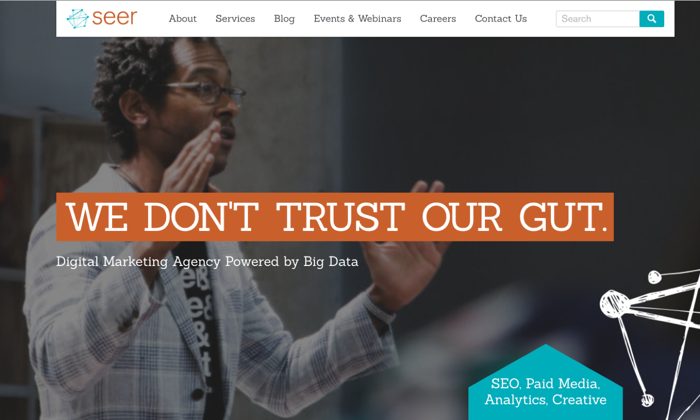
Seer Interactive doesn’t trust their gut; they use their data warehouse and tools to look across millions of keywords instantly.
Using big data, they look for new, hidden, and unexpected customer trends in competitive industries.
They’re one of the few agencies with a big query environment of 202 million SERP records.
3. Brainlabs – Best for Technical SEO

As an agency, Brainlabs builds its content marketing campaigns around technical SEO.
All of the services they offer are oriented around search.
Brainlabs created an Optimization Delivery Network (ODN) that allows clients to make changes to their site and run SEO split tests.
4. Fractl – Best for In-Depth, Research-Heavy Content

Fractl is a research-heavy, data-driven content marketing agency.
They focus on rapid organic growth via a combination of content marketing, data journalism, digital PR, and SEO.
They have deep knowledge in specific industries, and they publish original research in journals and well-known publications.
5. Column Five – Best for Data and Content Visualization
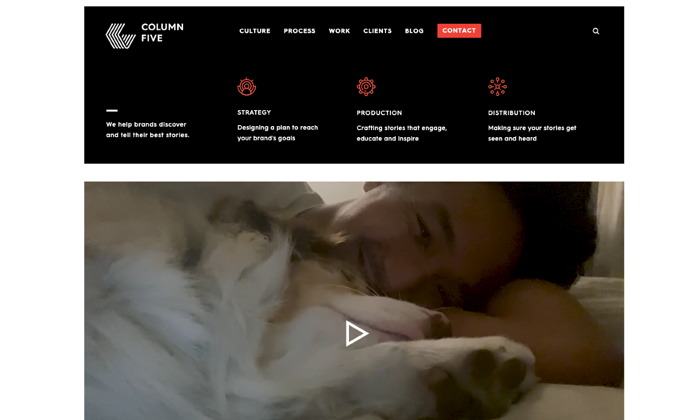
As a content marketing agency, Column Five is focused on the creative side of content development — storytelling, design, data visualization, interactive motion graphics, and exhibition design.
Creativity is the priority; their agency uses a mix of organic and paid distribution to promote client content.
6. Single Grain – Best for Conversion-Driven Content Marketing
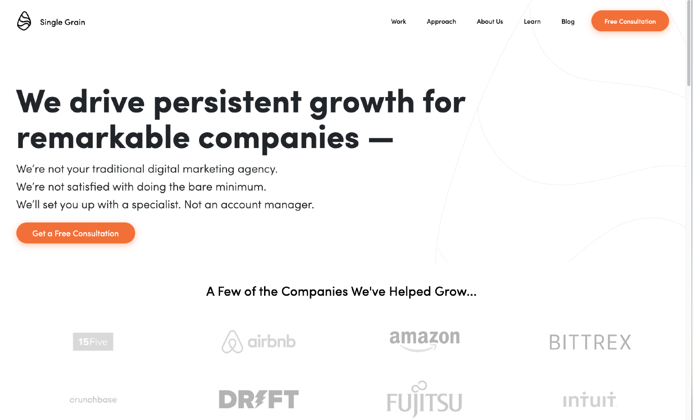
Single Grain uses its content marketing and conversion optimization services to boost client conversions.
They’re focused on rapid and consistent growth for each of their clients.
7. The Content Bureau – Best for B2B Content Marketing
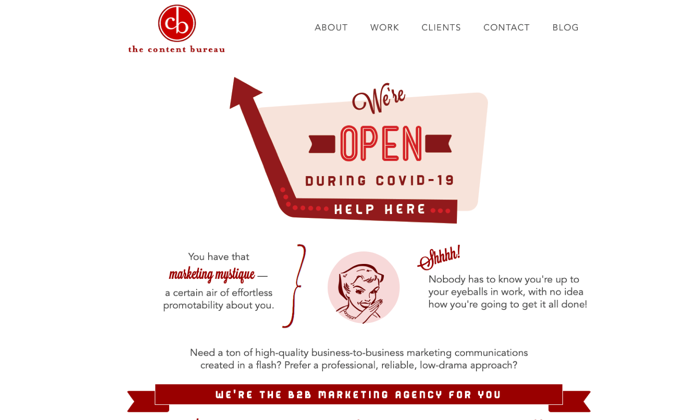
These B2B content marketing specialists are woman-owned, 90 percent female, and fully remote.
They’re focused almost exclusively on clients in the tech, VC, and financial sectors, focusing their attention on global corporations that need consistent, year-over-year growth.
8. Web Profits – Best for SaaS Content Marketing
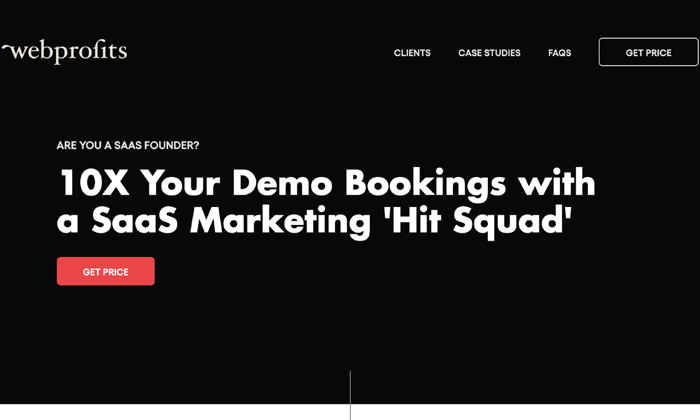
Webprofits focuses exclusively on SaaS content marketing and advertising.
These SaaS specialists use their experience as SaaS business owners to build other SaaS clients.
They work with large and small clients, including Rackspace and Shopify.
Conclusion
It can be tough to show up day after day with fresh content for your customers.
The right content marketing agency makes content development simple and straightforward.
Choosing the right content marketing agency isn’t rocket science; you just have to ask the right questions.
It starts with your goals and outcomes.
If you’re aware of the goals and outcomes you want, you’ll know which metrics you need to track to reach those goals.
With the right goals and metrics, you’ll be able to find, vet, and choose the right content marketing agency — you’ll have the team you need to generate more revenue for your business.
The post How to Choose The Right Content Marketing Agency appeared first on Neil Patel.
Source: feedproxy.google.com

Voices in AI – Episode 75: A Conversation with Kevin Kelly
About this Episode
Episode 75 of Voices in AI features host Byron Reese and Kevin Kelly discuss the brain, the mind, what it takes to make AI, and Kevin’s thoughts on its inevitability.
Kevin has written books such as ‘The New Rules for a New Economy, ‘What Technology Wants’, and ‘The Inevitable’. Kevin also started Wired Magazine, an internet and print magazine of tech and culture.
Visit www.VoicesinAI.com to listen to this one-hour podcast or read the full transcript.
Transcript Excerpt
Byron Reese: This is Voices in AI, brought to you by GigaOm, and I’m Byron Reese.
Today I am so excited we have as our guest, Kevin Kelly.
You know when I was writing the biography for Kevin, I didn’t even know where to start or where to end.
He’s perhaps best known for a quarter of a century ago, starting Wired magazine, but that is just one of many many things on an amazing career [path].
He has written a number of books, The New Rules for a New Economy, What Technology Wants, and most recently, The Inevitable, where he talks about the immediate future.
I’m super excited to have him on the show, welcome Kevin.
Kevin Kelly: It’s a real delight to be here, thanks for inviting me.

So what is inevitable?
There’s a hard version and a soft version, and I kind of adhere to the soft version.
The hard version is kind of a total deterministic world in which if we rewound the tape of life, it all unfolds exactly as it has, and we still have Facebook and Twitter, and we have the same president and so forth.
The soft version is to say that there are biases in the world, in biology as well as its extension into technology and that these biases tend to shape some of the large forms that we see in the world, still leaving the particulars, the specifics, the species to be completely, inherently, unpredictable and stochastic and random.
So that would say that things like you’re going to find on any planet that has water, you’ll find fish, it has life and in water, you’ll find fish, or will things, if you rewound the tape of life you’d probably get flying animals again and again, but you’ll never, but I mean, a specific bird, a robin is not inevitable.
And the same thing with technology. Any planet that discovers electricity and mixed wires will have telephones.
So telephones are inevitable, but the iPhone is not. And the internet’s inevitable, but Google’s not.
AI’s inevitable, but the particular variety of character, the specific species of AI is not.
That’s what I mean by inevitable—that there are these biases that are built by the very nature of chemistry and physics, that will bend things in certain directions.

And what are some examples of those that you discuss in your book?
So, technology’s basically an extension of the same forces that drive life, and a kind of accelerated evolution is what technology is.
So if you ask the question about what are the larger forces in evolution, we have this movement towards complexity.
We have a movement towards diversity; we have a movement towards specialization; we have a movement towards mutualism.
Those also are happening in technology, which means that all things being equal, technology will tend to become more and more complex.
The idea that there’s any kind of simplification going on in technology is completely erroneous, there isn’t.
It’s not that the iPhone is any simpler.

There’s a simple interface.
It’s like you have an egg, it’s a very simple interface but inside it’s very complex.
The inside of an iPhone continues to get more and more complicated, so there is a drive that, all things being equal, technology will be more complex and then next year it will be more and more specialized.
So, the history of technology in photography was there was one camera, one kind of camera.
Then there was a special kind of camera you could do for high speed; maybe there’s another kind of camera that could do underwater; maybe there was a kind that could do infrared; and then eventually we would do a high speed, underwater, infrared camera.
So, all these things become more and more specialized and that’s also going to be true about AI, we will have more and more specialized varieties of AI.

So let’s talk a little bit about [AI].
Normally the question I launch this with—and I heard your discourse on it—is: What is intelligence?
And in what sense is AI artificial?
Yes. So the big hairy challenge for that question is, we humans collectively as a species at this point in time, have no idea what intelligence really is.
We think we know when we see it, but we don’t really, and as we try to make artificial synthetic versions of it, we are, again and again, coming up to the realization that we don’t really know how it works and what it is.
Their best guess right now is that there are many different subtypes of cognition that collectively interact with each other and are codependent on each other, form the total output of our minds and of course other animal minds, and so.
I think the best way to think of this is we have a ‘zoo’ of different types of cognition, different types of solving things, of learning, of being smart, and that collection varies a little bit by person-to-person and a lot between different animals in the natural world and so…

That collection is still being mapped, and we know that there’s something like symbolic reasoning.
We know that there’s a kind of deductive logic, that there’s something about spatial navigation as a kind of intelligence.
We know that there’s mathematical type thinking; we know that there’s emotional intelligence; we know that there’s perception; and so far, all the AI that we have been ‘wowed’ by in the last 5 years is really all a synthesis of only one of those types of cognition, which is perception.
So all the deep learning neural net stuff that we’re doing is really just varieties of perception of perceiving patterns, and whether there’s audio patterns or image patterns, that’s really as far as we’ve gotten.
But there are all these other types, and in fact, we don’t even know what all the varieties of types [are].

We don’t know how we think, and I think one of the consequences of AI, trying to make AI, is that AI is going to be the microscope that we need to look into our minds to figure out how they work.
So it’s not just that we’re creating artificial minds, it’s the fact that that creation—that process—is the scope that we’re going to use to discover what our minds are made of.
Listen to this one-hour episode or read the full transcript at www.VoicesinAI.com
Byron explores issues around artificial intelligence and conscious computers in his new book The Fourth Age: Smart Robots, Conscious Computers, and the Future of Humanity.
Source: gigaom.com

Voices in AI – Episode 73: A Conversation with Konstantinos Karachalios
Today’s leading minds talk AI with host Byron Reese
About this Episode
Episode 73 of Voices in AI features host Byron Reese and Konstantinos Karachalios discuss what it means to be human, how technology has changed us in the far and recent past, and how AI could shape our future.
Konstantinos holds a Ph.D. in Engineering and Physics from the University of Stuttgart, as well as being the managing director at the IEEE standards association.
Visit www.VoicesinAI.com to listen to this one-hour podcast or read the full transcript.

Transcript Excerpt
Byron Reese: This is Voices in AI, brought to you by GigaOm, and I’m Byron Reese. Today our guest is Konstantinos Karachalios. He is the Managing Director at the IEEE Standards Association, and he holds a Ph.D. in Engineering and Physics from the University of Stuttgart. Welcome to the show.
Konstantinos Krachalios: Thank you for inviting me.
So we were just chatting before the show about ‘what does artificial intelligence mean to you?’ You asked me that and it’s interesting because that’s usually my first question: What is artificial intelligence, why is it artificial, and feel free to talk about what intelligence is.
Yes, and first of all we see really a kind of mega-wave around the ‘so-called’ artificial intelligence—it started two years ago.
There seems to be a hype around it, and it would be good to distinguish what is marketing, what is real, and what is propaganda—what are dreams what are nightmares, and so on.
I’m a systems engineer, so I prefer to take a systems approach, and I prefer to talk about, let’s say, ‘intelligent systems,’ which can be autonomous or not, and so on.
The big question is a compromise because the big question is: ‘what is intelligence?’ because nobody knows what is intelligence, and the definitions vary very widely.

I myself try to understand what is human intelligence at least, or what are some expressions of human intelligence, and I gave a certain answer to this question when I was invited in front of the House of the Lord’s testimony.
Just to make it brief, I’m not a supporter of the hype around artificial intelligence, also I’m not even supporting the term itself.
I find it obfuscates more than it reveals, and so I think we need to re-frame this dialogue, and it takes also away from human agency.
So, I can make a critique of this and also I have a certain proposal.
Well, start with your critique If you think the term is either meaningless or bad, why? What are you proposing as an alternative way of thinking?
Very briefly because we can talk really for one or two hours about this: My critique is that the whole of this terminology is associated also with a perception of humans and of our intelligence, which is quite mechanical.
That means there is a whole school of thinking, there are many supporters there, who believe that humans are just better data processing machines.
Well let’s explore that because I think that is the crux of the issue, so you believe that humans are not machines?
Apparently not. It’s not only we’re not machines, I think because evidently, we’re not machines, but we’re biological, and machines are perhaps mechanical although now the boundary has blurred because of biological machines and so on.
You certainly know the thought experiment that says, if you take what a neuron does and build an artificial one and then you put enough of them together, you could eventually build something that functions like the brain. Then wouldn’t it have a mind and wouldn’t it be intelligent, and isn’t that what the human brain initiative in Europe is trying to do?
This is weird, all this you have said starts with a reductionist assumption about the human—that our brain is just a very good computer.
It ignores really the sources of our intelligence, which are really not all in our brain.
Our intelligence has really several other sources.
We cannot reduce it to just the synapses in the neurons and so on, and of course, nobody can prove this or another thing.
I just want to make clear here that the reductionist assumption about humanity is also a religious approach to humanity, but a reductionist religion.
And the problem is that people who support this, believe it is scientific, and, I do not accept it.
This is really a religion, and a reductionist one and this has consequences about how we treat humans, and this is serious.
So if we continue propagating a language that reduces humanity, it will have political and social consequences, and I think we should resist this and I think the best way to express this is an essay by Joichi Ito with the title which says “Resist Reduction.”
And I would really suggest that people read this essay because it explains a lot that I’m not able to explain here because of time.
So you’re maintaining that if you adopt this, what you’re calling a “religious view,” a “reductionist view” of humanity, that in a way that can go to undermine human rights and the fact that there is something different about humans that is beyond purely humanistic.
For instance, I was in an AI conference of a UN organization that brought all other UN organizations with technology together.
It was two years ago, and there they were celebrating a humanoid, which was pretending to be a human.
The people were celebrating this and somebody there asked this question to the inventor of this thing: “What do you intend to do with this?”
And this person spoke publicly for five minutes and could not answer the question and then he said, “You know, I think we’re doing it because if we don’t do it, others were going to do it, it is better we are the first.”

I find this a very cynical approach, a very dangerous one, and nihilistic.
These people with this mentality, we celebrate them as heroes. I think this is too much.
We should stop doing this anymore, we should resist this mentality and this ideology.
I believe we make machines a citizen, you treat your citizens like machines, then we’re not going very far as humanity.
I think this is a very dangerous path.
Listen to this one-hour episode or read the full transcript at www.VoicesinAI.com
Byron explores issues around artificial intelligence and conscious computers in his new book The Fourth Age: Smart Robots, Conscious Computers, and the Future of Humanity.
Source: gigaom.com