
Tag Archives for " people "

6 Ways to Integrate SEO Across Teams
When I started in digital marketing, I splattered meta-data and keywords into content like Pollock. I am not proud of this because not only does this date me, but it is also horrifically against best practices as we see them today. If you ever read anything along the lines of “California vacation lovers and those who love California vacations? For the best California vacation, look no further than these California vacations,” I send my deepest apologies.
Fast forward 20 years, I’m now happy to say that organic SEO best practices have dramatically improved, both for the marketer and the end-user. As we move into 2022, it’s more important than ever to remember search does not take place in a silo. It should be a thoughtful, integrated strategy running across the complete customer experience.
6 Keyways to Integrate SEO Across Your Organization
Not sure how to integrate SEO? We have six key ways to de-silo your search integration across your organization when it comes to working with search engine optimization teams, agencies, or practitioners.
#1. Search Meets Research, Personas, and the Audience Journey

Search traffic provides a treasure trove of qualitative and quantitative information about your audiences’ needs, vernacular, attitudes, and more.
- Do people talk about your travel product by saying “vacation” or “trip”?
- Do high school students looking for information about their college of the chosen search for “ASU”, “Arizona State”, or “Arizona State University”?
- When searching for enterprise software, do your customers say “platform,” “tool,” or “technology”?
Using search data helps you discern what will resonate best with your audience. Couple this with surveys, stakeholder interviews, and digital data and you have a solid (and quantifiable) foundation for your personas and audience journeys.
When search teams share high-level keyword information across the organization, it can help support everything from media relations to product development to recruitment and beyond.
#2. Integrate SEO and UX
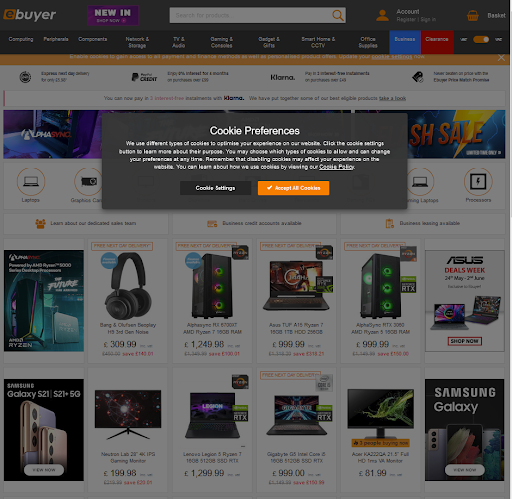
According to “SEO For Everyone” authors Rebekah Baggs & Chris Corak, search and user experience teams shouldn’t be kept on separate tasks (or quite frequently within separate silos). These practitioners or teams often have some of the same goals in mind: ensure the site is easy to find, navigate, use, and enjoy. Although, they may approach the process of getting to the end goal differently.
Don’t let the idea of The One Perfect Keyword create tunnel vision—you want to be looking at the bigger, more nuanced picture. An improved user experience means people stay on the page longer, interacting further with your site, not clicking the back button, revisiting the site anew, and sharing your content—all boons for SEO. The better the overall site experience (think UX, load times, mobile navigation, et al.), the more likely you’ll reach the coveted top ten in SERP.
– Baggs & Corak
#3. Search and….. the Offsite Experience?

During my Britney-and-Justin-era SEO days, I didn’t anticipate I’d be planning for SEO even before the site experience began.
Today Google wants you to stay on Google.
Don’t let the idea of The One Perfect Keyword create tunnel vision—you want to be looking at the bigger, more nuanced picture. Click To Tweet
It is now critical that search marketers consider how their content is presented, consumed, and shared even before the user gets to their site. Examples of this include maps, movie listings, local listings, and product descriptions.
As top search results provide answers via the SERP itself, search marketers and content creators need to button up content, images, and calls to action even before a user steps foot on your site.
#4. Search and Social
One of my favorite mash-ups over the years has been searching and social. It’s interesting to find how to search keywords and activities on your site overlap with social engagement conversions and customer care. This isn’t revealed through a pretty Venn diagram.
This typically looks like a psychologist blot experiment with various overlaps in bizarre and unpredictable ways.

As the great resignation continues and teams have more and more to do (with fewer resources, patience, and stamina), one way to offset that workload is figuring out ways to collaborate, leverage each other’s expertise, and do more together, outside of the SEO silo.
Top social sites for search engine optimization (and content distribution, amplification, and atomization too!) include LinkedIn, Pinterest, Medium, Twitter, and Meta (the artist formerly known as Facebook).
According to Pinterest, 444 million people globally come to Pinterest every month to get inspired. Last year, 88% of Pinterest users purchased a product as a result of their New Year’s Resolutions.
#5. SEO, Meet Creative and Content

Content marketers and writers need to ensure content is not just “me me me” or “product product product” copy.
What questions does your audience need answering? In what cadence? Where? Why? How (video vs text vs app, for example)? I can promise with 99% accuracy it’s not, “why are these SaaS tool features so yummy?”
Creativity is critical too. According to Google’s John Mueller:
Sometimes those small differences do play a role in regards to how people perceive your website. If, for example, you have something that is on a financial topic and people come to you and say, “well, your information is okay but it’s presented in a way that looks very amateurish,” – then that could reflect how your website is perceived. And in the long run could reflect something that is visible in search as well.
Poor design can lead to high bounce rates and short time on site, adversely impacting ratings. Search marketers working on their 2022 goal or to-do list might consider adding “meet with the creative team” (over coffee or cocktails works!)
For a goldmine of additional insights from Google’s John Mueller Bookmark This: 57 SEO Insights
#6. SEO and Video

With YouTube continuing to dominate as a primary search engine, optimizing videos for SEO should be on your radar as well. Videos should mirror your search keywords, be thoughtfully optimized, and mirror the sophistication of your brand, both from a creative and UX perspective.
Keep your eye on:
- Channel trailer, featured video, and channel sections
- Channel name, description, and site links
- Profile picture, banner image, and video watermark
- SRT Files,Tags, & Hashtags
- Titles and headlines for thumbnails
Now’s The Time To Integrate SEO
To help phase your efforts, begin by learning what terms and topics your audience is searching for, build content focusing on those phrases and issues, and use the research to understand the highest interest levels. Focus your content initiatives on those first.
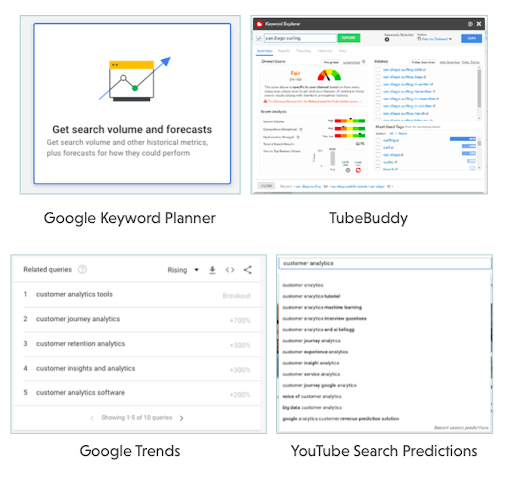
In addition, tools like TubeBuddy, Google Keyword Planner, Google Trends, and YouTube Search Predictions will help you learn what is working – and what’s not as you integrate SEO.
The post 6 Ways to Integrate SEO Across Teams appeared first on Content Marketing Consulting and Social Media Strategy.
Source: convinceandconvert.com

Social Media Trends You Need to Know in 2021
It’s that time of year again — time to review the social media trends we expect to shape the upcoming year. Let’s dive in now to our annual list of social media trends to watch in 2021, according to the Convince & Convert social media consulting team:

Companies Will Need to Address Social Media Team Burnout
“On one hand, many social teams have been elated to finally be seen as a vital part of their organizations because higher-ups have recognized just how valuable social media has been for communicating in real-time through COVID-19 and other major crises.
On the other hand, social teams are burning out with having to be always on with social customer care (which also includes being the target of a lot of misplaced vitriol) and also having to be the first to communicate through a lot of shifting situations and serious crises, in addition to dealing with all of the personal hardships that come with living through a pandemic.
Social media burnout has been a huge topic with a lot of Social Pros podcast guests over the last few months. I’ve also heard the concern from our clients in higher education.
In fact, according to Sprout Social, ‘88% of social marketers [in higher ed] say the pandemic has made their work much harder, and nearly half don’t have adequate support or resources to manage their mental health. Checks out.”

Anna Hrach, Strategist
Fee-based Fan Communities Will Grow
“Many businesses continue to suffer from a lack of organic reach in social media. Concurrently, consumers are increasingly gravitating toward smaller, more intimate topical communities (see the rise of Facebook Groups popularity as an example).
Simultaneously, 2020 saw a big move in the direct-to-consumer space, both in terms of e-commerce (as evidenced by Instagram shopping), and content (look at the explosive growth of OnlyFans and similar).
In 2021, we’ll see these trends converge, and brands will begin to adopt fee-based communities that give superfans exclusive access to content, exclusive products, and more.
This is the post-modern version of the Membership Club, and will give smart brands the ability to build advocacy and word-of-mouth among core customers who are willing to pay a small monthly fee to interact with one another, and the business.”

Jay Baer, Founder, Convince & Convert
Building Trust Through Content Delivered By and Featuring Humans
“Sure, for a long time, people have talked about the erosion of trust in brands, but never before have brands had to face it more head-on than 2020.
It should become the default that content is carried by human beings — whether that is influencers, your employees, or other subject-matter experts.
People don’t just need to trust because it feels good; people have to put their every action and every purchase through a filter of safety and economic impact.
It’s time to up-level content — not necessarily in production value, but in human connection. Is it harder? Yes. Is it the right thing to do? Yes.”

Mary Nice, Strategist
The Rise and Resurgence of Private Groups and Platforms
“As noise increases on social media, many are looking to customize their experiences by joining private groups and forums based on causes and personal interests.
There has been a rise in the number of Facebook Groups and membership, and Instagram is now seeing the use of its Threads or sharing Stories with specific friends.
Many people are also going to or returning to private and semi-private online forums for education, entertainment, networking, and mutual interest.”

Christin Kardos, Community Manager
Influencers Will Become Vital in B2B, not Just B2C
“According to the 11th Annual B2B Content Marketing Benchmarks, Budgets, and Trends report from CMI/MarketingProfs, 89% of B2B marketers use social media for content distribution, but only 24% used Media/Influencer relations.
It’s no surprise that in the last decade, social media has become an extremely fragmented and noisy place, and therefore, brands both in B2B and B2C will find that their dollars go further when they collaborate with individuals whom their audience trusts.
Whether these are macro-influencers or micro-influencers, co-creating content that comes from these trusted voices will help brands to break through the noise AND reach broader audiences.”

Zontee Hou, Co-lead, Consulting
Socially-conscious Values Extend to Imagery as Well
“Nearly 80% of people globally have said it isn’t enough to have people of various ethnicities, backgrounds, and appearances in advertising but that they expect companies to do a better job at capturing people’s true lifestyles and cultures, according to new research by Getty Images.
Searches have increased year-over-year for ‘diversity’ (up 133%), ‘culture’ (up 115%), ‘real people’ (up 115%) and ‘inclusion’ (up 126%).
From May to June alone, customer searches for diverse images increased by 200%, and searches for images around unity and equality increased by 500%, trends that are believed to be intensified due to anti-racism protests.
Side note: our client, AARP, partnered with Getty to create more authentic images of people 50+.”

Jenny Magic, Marketing Strategist
Social Media Is Part of Everyone’s Job
“Social media has been a core part of the business for more than a decade. Long gone are the days where ‘playing on that Facebook thing’ was only supposed to happen on lunch breaks.
In the age of coronavirus, social media has become more important than ever to business survival and success.
Your employees are your greatest social media assets. In fact, 45% of consumers are more likely to research a product or service when a brand’s employees post about that product or service.
Social media skill sets go beyond marketing and communications roles. They are less frequently required but especially needed, in customer service, HR, sales, and research.
Even in roles without direct ties to content, messaging, design, lead gen, sales, or service, we’re still asking employees to be good at social media to power our internal advocacy efforts.
Employee advocacy programs continue to be a top trend because their success to humanize a brand and amplify storytelling is undeniable at scale.
Businesses must provide social media policy guidelines and resources for their employees to master social media skills, as this technology is more akin to email than VR in today’s business world.”

Lauren Teague, Strategist
Use of User-generated Content Grows
“User-generated content has become an increasingly reliable social media marketing tactic. Brands and consumers find this type of content more authentic and trustworthy.
A majority of users trust UGC when it comes to influencing their buying decisions, and people want to see real-life experiences.
We will see a surge in UGC content this year through platforms such as TikTok and Instagram.”

Leanna Pham, Brand Marketing Intern
Questions About Any of These Social Media Trends? Ask a Convince & Convert Strategist!
Simply fill out the form below to request a no-cost consultation with a strategist on our team. We’d love to get to know you.
The post-Social Media Trends You Need to Know in 2021 appeared first on Content Marketing Consulting and Social Media Strategy.
Source: convinceandconvert.com

Rethinking the 3 Ps of Business
If you own a business or have ever taken a basic business class, then you’re probably familiar with the 3 Ps.
People. Product. Process.

According to the guiding principle of the 3 Ps, managing these three most important factors of a business will help you find unchallenged success.
They are the building blocks that help construct a successful business. See, without the right people, a good product, and a proven selling process your business will fail.
But there are thousands of businesses that have all of those things and still find themselves struggling to get by. So what’s missing? Why don’t the 3 Ps alone take your business as far as it needs to go?
Turns out, there is a fourth P that nobody mentioned. Until now.
As important as your people, product, and process are, your positioning is just as important. And especially for all you marketers out there, you know this better than anyone.
When it comes to your product and your process, positioning is an integral part of the equation. Think of positioning the same way as marketing—it’s figuring out how to frame and advertise your product in a way that makes it more appealing to your audience.
Positioning is something that Donald Miller, CEO of StoryBrand, talked about in our recent workshop. It’s an often-overlooked factor of your business that, according to Donald, will make or break you.
Deprioritizing positioning is a mistake that a lot of new business owners make. By not focusing on how you position, promote, and advertise your product/service, you’re putting a cap on your potential for growth.
So, we are taking a few tips from Donald Miller and breaking down this forgotten 4th P of business so you no longer wonder why you’re struggling even though you’re doing everything else right.

How Positioning Works
First, you need to ask yourself a few questions:
- How is your product actually positioned in the marketplace?
- How does that positioning help differentiate you and set you as a part of your industry?
- Can people figure out easily what you sell and what problem you solve?
All of these answers will help you create your core positioning message, which is something you want your customers to be extremely familiar with.
You want your customer to be able to recite your core messaging back to you. You want them to be able to give you a summary of the purpose of your business. You want them to memorize the problem that you solve.
If you create this kind of brand recognition, it demonstrates that you’ve done an effective job at bringing awareness to your brand, thereby increasing your business’s chance to be successful.
Why Positioning is Important
Remember how we said that positioning is just as important as the other 3 Ps?
Well, we lied.
Positioning is probably the most important aspect of building your business, even more, important than your product itself. That may sound like a stretch, but it’s true.
See, selling well and becoming an authority in your market aren’t just about having the best product or offering the best price. Those things certainly factor into the equation, and good products and low pricing will most certainly help you sell more.
But your messaging and positioning are ultimately the things that are going to help your ability to effectively position and market your product is more important than anything else.
If you’re wondering why that’s the case, it’s because of psychology.
People don’t inherently buy the best product or the flashiest product… they buy the product that they can understand the fastest. That’s because the less mental energy needed to understand the product and what it does, the more likely it is that they will want to buy it.
That’s because our brains are designed to ignore or forget things that don’t matter (we talk more about that in this blog post about how to market for your brain’s survival instinct).

We inherently put on blinders to things that don’t interest us, and at a very basic level, aren’t going to help us survive. Even in the context of buying a product, our ability to survive is subconsciously on our minds.
That’s why people will almost always buy a product with proper positioning; their brains actually want to pay attention.
If you can properly position what you want to sell, you are going to outsell your competitor every time. It doesn’t matter if a competitor’s product is better than yours—if your messaging is better, you will always be the winner.
The Rules of Positioning
Properly positioning your product isn’t rocket science—you already understand that good messaging and marketing are the factors that go into proper product positioning.
But the execution is really key.
And although prior marketing experience—which most of our readers have—is certainly helpful, it can also hurt you to an extent if you’re not careful. That’s because of the (very basic) first rule of positioning…
1. Be Clear
If you are in marketing, you’ve probably spent hours thinking of a neat, clever, and cool way to attract customers to your products and get your company’s message across. Sometimes, that method can be really effective in a niche, insider-oriented audience.
But when it comes to foundational product positioning, it’s not the best practice.
Again, people are drawn to products that they can understand the easiest. Not only that, but you only have about 8 to 10 seconds to get a person’s attention and have them decide if they’re going to listen to you or not.
For both of those reasons, clarity is key.
Marketers want to feel like they are smart, clever wordsmiths. And as much fun as it may be to come up with a fun, product-based pun that you and your marketing team think is hilarious, there’s a pretty decent chance your customer will be checking out before they ever hit the punchline.
And, at worst, they’re going to be totally confused. That is the absolute last thing you want.
That doesn’t mean your copy and salesmanship needs to be totally boring and dry. That’s not a good approach either. But when placed up against cute, clever, and emphasis on clarity is always the approach that will win.
The quicker you can get your audience to understand what you do, the more likely up to you will convert them into paying customers. Don’t make them guess… just tell them. If you do, then you, your customer, and your business will be much happier in the long run.
2. Utilize the power of narrative

Storytelling is an art form that humans have been perfecting since the beginning of time. It is truthfully one of the most effective and powerful tools humans have, which is why marketers and business owners need to learn how to properly utilize it.
People connect with stories: we have an emotional response to them, react to them, and, most importantly, we remember them.
And, if you remember from earlier, making your product memorable to your customer is the best thing you can do to get them to buy.
Using a story for positioning is really effective because it does 2 things:
It more engaging than a sales pitch that gets your customer involved
Your information will be way more memorable because your customer will pay a lot more attention. Traditional style, direct response sales pitches are essentially 5-minute college seminars that people often tune out.
And if people pay thousands of dollars to go to college and still don’t listen to seminars, what makes you think they’ll listen to your mini one?
Stories are engaging, and they’re especially engaging when you frame your customer as the hero of the story.
When you are positioning your product in the marketplace, it’s important to remember that customers will only care what your product will do for them.
They don’t usually care about the product itself. That’s why it makes sense to make them the main character of your story—you can create the narrative arc that has them accomplishing their goals using your product. They can be the winner, and you can be the one who made it possible.
So when you are setting up your positioning, try to get as much of a story in there as possible, and make sure your customer is the hero, not your product (and if you want to know more about this strategy, you can check out Donald Miller’s workshop on the StoryBrand method).
The main thing to remember when it comes to building your positioning: there needs to be a problem. Not only that, but you need to make sure your customer memorizes that problem and understand that what you have to offer fixes it.
The best-positioned products sell the best, and that’s something that your competitors may be undervaluing. So make sure that you are framing your product within a clear, concise story, and you’ll be making more sales than you can count.
And it won’t even take having the absolute best product on the market.
It’ll be because you’re a good storyteller.
The post Rethinking the 3 Ps of Business appeared first on DigitalMarketer.
Source: digitalmarketer.com

255: My Mid-Life Crisis and The Power of Being Vulnerable on a Blog
The Power of Being Vulnerable with Your Readers
Have you experienced the power of taking a step out of your comfort zone and being vulnerable with your readers?
I have long believed in the power of being vulnerable.
It can be hard to be vulnerable. It feels very risky but brings about a feeling of freedom.
I’ve witnessed the power of vulnerability.
But I am always wary about being too vulnerable.
I worry that showing weakness might take away some authority I’ve built, or that too much vulnerability will frustrate some readers and listeners.
I’ve built my brand around how-to content, and I know just talking about my insecurities, problems, and failures isn’t really going to help anyone.
But I was recently reminded that allowing myself to be more vulnerable can make good things happen.
You may have read the article I published on Medium about having a bit of a mid-life crisis.
I don’t want to talk about that crisis, but about what happened when I did share this information with my audience.
I put the post on Medium and not ProBlogger because although it touches on blogging, it’s not a post about it and relates to many, not just bloggers.
The reactions were almost 100% positive. Stats since it was published:
- Almost 8,000 views, 1,400 “Claps” and 38 comments
- Resonated with a much wider age range than expected (20-85)
- People responded with personal, vulnerable, and in-depth comments
- More than 350 people have joined the Facebook group to discuss the article
- Real-life friends, family members, blog readers, and complete strangers are contacting me and talking to each other to form a community
- People find it refreshing that I’m transparent and don’t always have it all together
- Feedback creates energy and freedom
The journey isn’t over. There are more parts that I want and need to share – in time.
While I’m arguing the case for being vulnerable with your readers, I’m not saying you need to strip yourself bare in every area of your life. Boundaries are a good thing.
I also think there’s a time and a place for being vulnerable. There are things in my life that I’m not ready to talk about. I need to sort out my thoughts and feelings.
Before being vulnerable, ask yourself these questions:
- Are you ready to share your story?
- Why are you sharing the story?
- Are you over-sharing?
- Will this story hurt someone you love?
Quotes of the Week from Brene Brown, author of Daring Greatly:
“Vulnerability is the birthplace of innovation, creativity, and change.”
“Vulnerability is the birthplace of love, belonging, joy, courage, empathy, and creativity. It is the source of hope, empathy, accountability, and authenticity.”
“Vulnerability sounds like truth and feels like courage. Truth and courage aren’t always comfortable, but they’re never weakness.”
P.S. Thanks to everyone who submitted stories about their blogging breakthroughs.
We can’t possibly use them all, but we look forward to sharing some of them with you soon.

Further Listening
- How to Build Authority, Influence and Trust when Nobody Knows Who You Are
- 9 Hurdles I’ve Faced as a Blogger and How I Got Over Them
- The Biggest Lesson I Learned About Building a Profitable Blog in 2015
- My Million Dollar Blog Post (and How Procrastination Almost Stopped Me Writing It)
Examples of My Mid-Life Crisis and The Power of Being Vulnerable on a Blog

Courses
Join our Facebook group.
Full Transcript
Click to Expand
Hi there and welcome to episode 255 of the ProBlogger Podcast. My name is Darren Rowse.
I’m the blogger behind ProBlogger, a blog, podcast, event, job board, and a series of ebooks, all designed to help you as a blogger to grow your blog, to build an audience, to create great content, and to build profit around your blog, whether you’ve got one or not because we’ve got stuff on helping you to start too.
You can learn more about ProBlogger at problogger.com.
What I Share…
In this week’s episode, I want to share an experience that I’ve had in the last week, that has shown me the power of taking a step out of my comfort zone and being vulnerable with your readers.
Many of you will know about the article that I published on Medium in the last few days, about having a bit of a midlife crisis.
Something a little bit different from my normal publishing schedule, I have to say.
In this episode, I don’t want to talk about the crisis itself as such but rather what happened when I put that article out there with my audience.
You can get the show notes and you can find the link to the article that I’m talking about at problogger.com/podcast/255.
A Note:
Before I get into today’s show, just a brief administrative note.
As regular readers know, I’ve been taking a few weeks off this podcast as part of a bit of a mid-year break.
I will be coming back in the weeks ahead but I did want to pop in today just to give you an update after that article went live.
When I do come back, we will start out with our blogging breakthrough series.
We had a call for submissions, for bloggers to share their stories in the last episode, and had a ton of people submitting amazing stories.
We’re currently going through those and we will be getting back to those who submitted shortly, so thanks to everyone who did submit a story.
We can’t possibly use them all but we look forward to sharing some of them with you in the coming weeks. Again, let’s get on to today’s show.

Power of Vulnerability in Communication
When I was a 16-year-old, I discovered the power of being vulnerable in communication.
I remember it very clearly, I was doing a course in public speaking.
As part of that course, I was challenged to do a series of short talks.
They were five-minute talks. The first talk I gave, I was very nervous, as you would expect.
The talk was overly prepared. I tried to stuff so much into it.
It was full of facts and theories, and how-to information.
I think the information was relatively good but I distinctly remember looking at my audience and thinking, “Are they even listening to me here?”
Suggestion
I got down after that talk and the feedback from the teacher was, “You need to include something a little bit more personal in your talk, a story.
Share something about yourself.”
The next time I got up to do a talk a week later as my next class, I shared a story and it was a story about a mistake I’d made.
I remember the moment that the story started. The moment that I added a little bit of vulnerability into my talk by revealing that I wasn’t perfect.
I remember looking at my audience and almost the whole room leaned forward as I began to talk and share that story.

Power of Storytelling
I realized the power of storytelling for a start but also storytelling that shows who you are, and shows who you really show an imperfection.
That idea, that vulnerability is a powerful thing.
I also learned through that experience and many since that being vulnerable can feel very risky, takes you out of your comfort zone, and can be hard to do.
That first story was hard and many times since have been hard as well.
The last thing I learned in that instance was that after I was vulnerable, for a moment or two I felt very unsure, how do people receive that.
But a few moments after that and seeing the positive reactions to that it was an incredibly freeing experience as well.
As someone who has now been a communicator in different forms for 30 years, I can’t believe I’m saying that and I’ve communicated in public speaking, in blogging, and podcasting, in the video, I’ve seen time and time again,
I’ve witnessed the power of being vulnerable. I’ve tried to do it at different times in what I do.
Even here on the ProBlogger podcast, I’ve tried to teach about vulnerability but also to be vulnerable.
I think the last time I mentioned the word vulnerability and I did a search of WordPress to see it, it was back in episode 235 where I talked about authority, how to build authority, and how being vulnerable can actually help to build your authority.
But also I try to be vulnerable.
About Past Episodes
A few episodes come to mind, there’s probably quite a few where I’ve shared my own failings and weaknesses.
Like in episode 57 where I talked about nine hurdles I’ve faced as a blogger, episode 38 where I talked about my health.
Who would’ve ever thought I would talk about health on a blogging blog?
My weight gain and how I moved through into a better place as a result of that.
Then episode 167 where I revealed how terrible I am at procrastinating.
My Concerns to Vulnerability
There have been many times where I’ve tried to be vulnerable with you.
I know each of those episodes has had really good feedback but they’ve also come with fear every time I’ve done it.
Part of me, when I’m preparing to do that type of show worries that showing weakness might eat away my authority.
Even though I know at the back of my mind that it helps to build authority, it worries me that maybe being too vulnerable will eat away at that authority.
It might hurt the brand that I’ve built in some way, that it might frustrate readers who come looking for how-to content and get me baring my soul.
Part of me worries about what people will think.
Part of me is probably just scared about admitting to myself, let alone my audience, that I’m not as altogether as I might like to think.

Worries Are Valid, When?
Sometimes, these worries are valid. I’ve built my brand around how-to content.
I know that I just sitting here talking about my insecurities, problems, and failures really aren’t going to help many people if that’s all I ever do.
But I was reminded this week, again and again, that by allowing yourself to be more vulnerable, good things can happen to you and your blog.
That’s what I want to talk about today. I want to share this story of this last week and the story of writing this article and putting it out there.
I want to talk about what happened as a result of doing that but I also want to give you some advice on being vulnerable on your own blog because I don’t think it’s just as simple as just baring your soul about anything and everything.
I want to give you some advice around and some questions to ask around working at what to share as well.
Confession

But first, let me tell you about this last week.
I learned this lesson because as I said at the top of the show, I published an article this week on Medium that was about a mid-life crisis that I’m currently finding myself in.
The post actually took months to write and took weeks to decide what to decide whether I even wanted to publish it at all.
I’ve been working on it with a friend, Kelly Exeter, who many of you would know because she’s been on this podcast a number of times in the past, and we’ve been talking about doing a project together.
Particularly, we’ve been talking about writing a book together.
As we have been talking this year, since the beginning of this year about the book, what it’s about, and how we might outline it, what sort of topics we might want to write about, as we talked that through, I’ve realized that if I’m going to authentically talk about the topics that we want to explore, that I’m going to need to be vulnerable.
I’m going to need to tell my story.
I’m going to need to tell things about myself that I’ve never really talked about on a public level before.
This is but frightening for all the reasons I’ve already spoken about, worrying about what people would think, but also it’s simultaneously felt really right to me.
So we’ve begun to work on this project.
The first thing that we wanted to do is to write this article that went live earlier in the week.
About Mid-life Crisis

The article is largely a story of a series of midlife crises that I’ve had over the years and my first one was when I was 18.
Part of the story will be for me to some of you who’ve heard my story before, but the later parts of the story wouldn’t be because I’ve not shared them too much before.
I’m not going to go into details of the crisis here because I think it would distract us from what I want to talk about and that’s being vulnerable.
You can check out the article if you want. I’ll link to it in the show notes. It’s linked to my Twitter account as the latest pinned post.
It was largely written for people who are like me, who see themselves as somewhere in the middle of their life, whatever that might mean for you, and who are asking the kind of questions that I’m asking as well, about how they got to spend the rest of their life, how they ended up in the place that they’re at, I’m wondering if there’s more, wondering if they’re using their time effectively.
All of these types of questions that people in the middle of their life at different times like to ask.
I know some of you are probably asking,
“Why did you put it on Medium?

Haven’t you talked in the past, Darren, about always having control of your content?
Putting on the blog where that you have the domain for?
That you have a server of?
And Medium doesn’t have those things?
That’s something I did think about.
Should we put it on ProBlogger?
But it became pretty clear pretty early that this article is not just for bloggers.
It certainly relates to bloggers, I had certainly talked a little bit about blogging in my story because that’s part of my story, but in my hope and Kelly’s hope is that we go beyond just bloggers reading this eventually and that we want to write a book on a broader topic.
Putting on ProBlogger didn’t seem like a good fit.
Medium seems to be a good place.
Medium has the type of content that this article is.
We looked at a lot of articles that have been written there and the style, the length, the presentation on those types of things, and it felt like a good fit.
There are things that I really do like about Medium and there are others that frustrate me like crazy but that’s probably a topic for another episode.
The question that I’ll cover before I talk about what happens as a result of publishing this and why did we write this article.
What’s the point of the article if you’re writing a book?
I just wanted to cover that because I know a lot of you do have the dream one day of writing a book and maybe this is helpful.
But really we wanted to see with this article where it was worth writing the book.
On many levels, it’s a test.
We wanted to see whether the topic, the themes, the ideas, the language we were using were resonating with people or whether we needed to go back to the drawing board and work more on refining that.
Seeking Feedback

The other part that we wanted from this article was to get feedback.
Most importantly to me was to capture the reactions of those who read the articles as well.
By their comments, through their ideas and their stories, their experiences, to see how people reacted to it is really important.
The reason for that is that we think, I believe, at least that the reactions from this article will shape what we do next, not just if we continue to work on this idea but also what will come next.
Maybe it will inform that we don’t write a book, really do a podcast, or maybe it will inform that it’s a series of articles, or maybe it will inform something else.
But already, I can see that the feedback we’re getting is shaping that.
To help us gather that type of feedback, we actually set up a little Facebook group for those who wanted to talk more on the topic.
We set up a little month-long challenge that we’re going to go through as a group as well.
I submitted the story to a publisher on Medium.
On Medium, there are publications and magazines that you can be a writer for and I decided to publish it both on my own profile but also in this publication called The Mission, which is a larger publication on Medium, and the hope there was to get it to a larger audience.
They very quickly accepted the article and they pushed it live very quickly late last Friday night my time.
I think it was actually about 7:00 PM my time.
In hindsight, it wasn’t the best time because it didn’t really leave me having a relaxing weekend as this post went live and start to go a bit crazy.
But in some ways, it was a good time as well because I was out with friends at the time that it went live and because it went out quickly, I didn’t have time to worry about the article going live at all.
As I’ve said, I was out with friends, I didn’t actually get home until about five hours after the article went live.
I scheduled some tweets and promotions on Facebook and in email.
By the time I got home at midnight that night, it already had some activity on it.
I was really anxious to see what that reaction would be.
The reactions have been almost 100% positive.
In fact, they’ve all been positive really in some ways.
People have asked some tough questions and pointed out some things but that’s been positive too.
Before I get into the […], I’ll just talk about what’s happened since it being published. what’s been the positives of being vulnerable.
Some of you are probably wondering about the stats.
The article’s being viewed, I think it’s been about 8000 times.
It’s had 1400 claps which are kind of like likes.
It’s had 38 or so comments on the article, which isn’t a massive amount but you do need to register to leave a comment.
Comments on Social Media

There have been hundreds of other comments, though, on social networks, on email, via messenger, and in the group itself.
There’s been a decent amount of numbers but the stats really for me aren’t what it’s all about. What’s most important to me is that the article seems to resonate with people and there have been certain parts of the article that have really resonated in as well.
I see this in the comments. A lot of people are picking up the same themes and ignoring others, which is really useful.
One of the nice features of Medium is that people can highlight the bits that they like. You get feedback on where people actually being drawn to in the article, and that’s interesting to see as well.
Be Vulnerable to Make Audience Vulnerable

The reactions that we’re getting from people are incredible. One of the things I want to say is that when you’re vulnerable, people will be vulnerable back.
This surprised me at first. Some of the comments that I received both on the blog post, on social media, and via messenger, particularly, have been very deep.
Some of the people have shared personally as well and have been very vulnerable. Some of them have written long amounts of words back and that’s been amazing as well.
Vulnerability Is Contagious

Vulnerability is contagious. It’s infectious.
When you are vulnerable, people will take your lead and respond likewise. Some people will, not everyone, but some people.
This is something I think is both a positive but also you need to be a little bit aware of.
You need to be willing to interact with people because when people are vulnerable back and you ignore that, when people are vulnerable back and express painful things, that opens up a can of worms for them.
You need to be there to care for them, to respond to them, to acknowledge them, to value them in some way.
That’s something I guess I spend most of my weekend doing is trying to be there back for the people who are sharing on those deeper levels as well. That’s a challenge because there are so many of them.
Call-to-Action

In terms of the group, we’ve had quite a few people joining our group. I think we’ve had about 350 people join, which is great. I wasn’t sure how that would go.
The call-to-action to join the group is right at the bottom of this 2000 plus word article. […] people have responded there and already the interactions there are great.
Interestingly, the group now contains real-life friends, family members, blog readers from ProBlogger, blog readers from Digital Photography School, podcast listeners, probably more of them after this, and complete strangers as well.
My worlds are colliding, I guess you could say.
That’s a strange feeling to have them in there together, sharing on a deeper level together, talking to each other, and supporting each other. That’s kind of weird but it’s kind of cool as well.
The community seems to be forming, I guess, is the next thing I want to say. This is something I’ve noticed before about.
When you’re vulnerable, people don’t just want to be vulnerable with you. They seem to be more open to connecting with other people on that same shared journey.
There’s a real opportunity there to call people together, to journey together as a result of this vulnerability and community vulnerability as well.
The second last thing that I’ve noticed which has been really interesting to me is that I’ve been getting a lot of comments that are very similar, not everyone expresses, but time and time again I’ve heard people saying things like, “It’s refreshing to see that you don’t have it all together, Darren.”
This is kind of a weird thing to hear because I know I don’t have it all together. I guess I’ve realized that because I am a professional blogger, I’m writing about blogging, that it can come across as though I do have it all together.
Whilst I know that my family certainly knows that, my friends know that, I guess it’s just been a reminder that, whilst I have tried to be vulnerable along the journey that people build an impression of us that doesn’t always match with how we feel about ourselves.
I think it’s good just to keep in mind.
Reactions

Not everyone, as much as you think, your insecurities and your failures might be out there for everyone to see.
Most people don’t actually see those things. For me, that’s actually a reminder that I need to continue to put myself out there and to be real with people because I don’t want to create those false impressions.
I don’t want people to think that I have my blog perfect, my life perfect. It certainly isn’t the case. It should be a good reminder for me.
The last thing I’ve noticed as a result of doing this is that I’ve been incredibly energized by the reaction.
Before that post went live and those five hours while I sat at dinner with my friends, I was almost paralyzed. I was always wondering how it was going, how it would go. I was worried, I was fearful. But as soon as I got home, I began to see the reactions.
I felt an incredible energy. I couldn’t sleep the night after I got home. In fact, the last two nights, I haven’t really been able to sleep and I’ve been up early in the morning writing.
It was something that hasn’t happened for me for a while now, so being vulnerable can actually take you to that place of feeling freedom as well. I’m not saying that it is guaranteed to happen but for me, certainly, that has been a result of that as well.
Be Intentionally Vulnerable

I’ve come away from this experience again. Again, being reminded to continue to be vulnerable, intentionally vulnerable.
The road isn’t over. I know for a fact there are things that I want to share with my readers and listeners. That’s something that will come out in the book.
There are things that I need to share but I need to do in time. This is one of the things I do want to talk a little bit about. Now, I want to put a qualification on this idea, you can probably hear me talking about the pros of vulnerability here.
Read someone like Brené Brown. She talks about the reasons why you might want to be vulnerable and has written some great material on this.
I also want to put the qualification out there that just because I’m saying that doesn’t mean you need to go out there and just share everything and anything with your readers.
Boundaries of Sharing

You don’t need to strip yourself bare in every area of your life. There are good things to keep private. Boundaries are a good thing. I know different ones of us will have different boundaries and that there are bloggers out there who share anything and everything.
Then there are others who are very private. Where your boundaries will be totally fine but it’s really important to have those boundaries and to know where they will be.
There are things that I will never share on my blog in a public setting because they’re private to me and that’s totally fine.
There’s also a time to be vulnerable and probably the right place to be vulnerable as well. Before you put things out there, really I want to encourage you to ask yourself the question, “Is now the right time to actually be vulnerable?”
There are things I know that I’m going through right now that I need to process before I will share them.
- I need to sort through my thoughts.
- I need to sort through my feelings.
- I need to have conversations with certain people.
- I need to be in a better place.
- I need to have read some books.
- I need to process some things.
The case wouldn’t be the same for each of us. Don’t just rush out and tell everyone anything and everything, at least not yet.
Share at the right time.

This leads me to some more advice that I want to give out. I’ve got three things that I really want to say before I give you a few questions to ask, as you think about should I share this or not.
The first piece of advice I want to give you is that, and it taps into what I just said, you don’t have to reveal everything at once. Small steps can be a good thing.
Get used to the idea of being vulnerable. Maybe just a small step towards vulnerability is what you need to do at the moment. Admitting that you made a mistake.
You don’t have to share that you’re having a mid-life crisis. You can admit that you’ve had hurdles in your life. Even hurdles that you have now completely overcome. That is a vulnerability in different ways.
Take your time when you are crafting this type of content as well. This article has literally taken months to write and we’ve gone through many versions of it. In fact, it’s been started and rewritten, and started and rewritten, and started and rewritten at least three times, and there have been many edits along the way.
Take your time with it. You don’t have to share it all at once.
Have Courage to Share

The second thing I want to say is that vulnerability takes courage but it also takes practice. If you’ve never gone there with your readers before, it could take you a few GOs before you begin to feel a little bit more at ease and begin to trust that process.
I’m not saying that you ever feel it’s easy but it does take a little bit of time to get used to it and probably also takes a little bit of time for your readers to get used to it, too.
If you’ve got a blog that has stuck to a very narrow niche for a long time, and then you suddenly lay everything bares to your readers, some of your readers will be totally okay with that, but you might need to bring your readers along a little bit on that road as well.
Again, small steps can be a good thing there to actually get your readers used to that idea.
The last thing I’ll say is there are things that are really important to involve other people in working out where your boundaries should be and to encourage you in this.
We’re all wired differently. I know some of you are listening to this and thinking, “I don’t need to be vulnerable because I’m very vulnerable,” and maybe your tendency is to overshare.
Maybe the people around you, you need to give them permission to pull you back a little bit. You need to run your article past them and ask them, “Do you think this is too much?”
Others of you who are listening to this thing and going, “It just terrifies me.” Maybe the people around you, you need to give them permission to challenge you, to add a little bit more vulnerability, and to help you shape the vulnerability as well, to bounce the articles that you write around with them before they go live.
This is what certainly happened with this particular article. Kelly’s helped a lot in this.
Vanessa, my wife, has helped. We had other friends as well read the article. They’ve helped to pick up mistakes in the articles and proofread them. But they’ve also given advice and feedback on how to craft it, and how to make it appropriate.
That’s been very helpful as well.
Questions to Ask You

The last thing I want to leave you with is four questions to ask. As you can see there’s,
“Should I share a particular thing?”
I actually have borrowed these questions from Aimee Beltran from a blog called BlogPaws, which I came across today as I was about to record this.
I saw that it’s four questions and I just thought, “These are brilliant.” I’ll link to the full article in the show notes today.
She poses these four questions to ask before you hit publish before you decide what to share.
The first one is, “Am I ready to share this?” and this taps into what I was saying before. Sometimes, we’re not in a good space. Sometimes, we need to process something.
We might need to have a conversation.
We need to be ready to share because when we’re vulnerable, that can sometimes bring up pain in ourselves but also in other people as well. We need to be in a good place to be able to share this type of thing in many cases.
I’m not saying you always have to be in a good place. Sometimes, being vulnerable it’s good to be in a bad place to do that as well but in appropriate situations, but are you ready to share this?
Number two question Aimee poses is,
“Why are you sharing this? What’s the reason for the sharing?”
There’s no right or wrong reason here but I suspect some reasons are better than others.
Are you sharing it to get it back at someone?
That’s probably not a good reason.
Are you sharing it just to get lots of traffic?
Maybe that’s not the best reason.
Are you sharing to help someone? Are you sharing because it’s therapy for you?
Maybe there’s a more appropriate place to share it.
Why are you sharing it?
That’s going to help you to work out if you should share it, but also how you share it, and where you should share it as well. Whether your audience is the right audience for that as well.
Third question Aimee poses is, “Am I oversharing?”
This is where maybe friends can help out with that.
But if you are in doubt about whether you are oversharing, maybe sit on that article for a little bit, maybe show it to a friend, maybe test it with a smaller group of people and see what the reaction is.
The last question Aimee poses, I think it’s brilliant and I think it’s really important, “Will this hurt someone I love?”
It’s so important. This actually factored into my article as well because I was writing about periods of my life that I shared with people along the way, family and friends, and I didn’t want to offend them.
I really had to craft parts of it, reword parts of it, expand certain parts so people could see what I was thinking, and delete certain parts.
Again, that was helpful to have particularly Vanessa helping me shape that as well.
So, am I ready to share?
Why am I sharing?
Am I oversharing?
And will this hurt someone I love?
Four good questions to ask.
Podcast Helps

I hope this podcast has helped those of you who feel maybe you need to be a bit more vulnerable, or maybe you need to be a little less oversharing, or maybe it’s something you just file away for one day when you do feel that tension inside of you and when you start to think, “Should I be adding a bit more personal story into this content that you’re crafting?”
Being vulnerable doesn’t have to be the whole post. It could be just a story that introduces something that you then go to teach on.
It could be rather a small thing but I hope this podcast does come back to mind as you come to those times where you have the opportunity to add a little vulnerability into your sharing.
Before I finish today, a few quotes of the week.
I couldn’t really have a quote of the week this week without quoting Brené Brown who has written a great book,
Daring Greatly: How The Courage To Be Vulnerable Transforms The Way We Live, Love, Parent, And Lead.
A few little quotes from that book. I could read the whole thing for you, basically, but,
“Vulnerability is the birthplace of innovation, creativity, and change.”
I love that one. And,
“Vulnerability is the birthplace of love, belonging, joy, courage, empathy, and creativity. It’s the source of hope, empathy, accountability, and authenticity. It’s the birthplace of a lot of things.”
And lastly,
“Vulnerability sounds like truth and feels like courage. Truth and courage aren’t always comfortable, but they’re never weakness.”
Thanks for listening today.

You can find today’s show notes. I’ll put those quotes in as well, as well as the link to the article I wrote, and Aimee’s article, as well as some of those podcasts I mentioned earlier. The show notes and a full transcription of today’s show are at problogger.com/podcast/255.
Look forward to chatting with you in the next couple of weeks when we start our blogging breakthrough series.
Thanks for bearing with me over this mid-year break. Have been re-energizing myself as you can tell. I’m actually about to just have a short break to Hawaii.
Never been there before and very much looking forward to that short break. There will be some podcasts in the pipeline and I look forward to chatting with you shortly.
Thanks for listening. Hope you have a good week.
How did you go with today’s episode?
Enjoy this podcast? Sign up for our ProBloggerPLUS newsletter to get notified of all new tutorials and podcasts.
The post 255: My Mid-Life Crisis and The Power of Being Vulnerable on a Blog appeared first on ProBlogger.


Source: feeds.feedblitz.com

Stephen Covey Quotes Reveal The Habits Of Highly Effective People
Stephen Covey was the author of the best selling book, “The 7 Habits of Highly Effective People.” The book has sold over 25,000,000 copies worldwide! His work has proven to help people around the world change their mindset, environment, and habits to create successful lives.
While he passed away at 79 years old in 2012, his work is still revered today.

Use these Stephen Covey quotes to start creating the habits to become highly successful in your life.
“Make time for planning; Wars are won in the general’s tent.” – Stephen Covey
Planning is one of the biggest keys to creating a successful future for yourself. The most successful people in the world have a daily, weekly, and monthly plan to achieve their goals.
Do you have detailed plans?
If not, make it a point each night to spend five minutes and map out the next day. Plan when you will wake up, exercise, invest in yourself and spend time with family.

“If we keep doing what we’re doing, we’re going to keep getting what we’re getting.” – Stephen Covey
So many people want to make positive changes but don’t want the struggles and hardships that come with change. But if you keep doing what you’ve always done you will keep getting what you’ve always got.
Don’t be afraid to change your life if you’re unhappy. Wake up earlier, challenge your body at the gym, and invest in your mind from reading new books. Remember, reading is to the mind what exercise is for the body.
“I am not a product of my circumstances, I am a product of my decisions.” – Stephen Covey
As Tony Robbins said, “Decisions shape your destiny.” Never underestimate the power of making a decision.
You are only one positive decision away from changing your life forever!
“Most of us spend too much time on what is urgent and not enough time on what is important.” – Stephen Covey
Focus on the hardest task to start the day. Not only will this knock out the hardest thing first it will create confidence and momentum early in the day. Quit being busy and start being productive with your time.

“The only thing that endures over time is the Law of the Farm. You must prepare the ground, plant the seed, cultivate, and water it if you expect to reap the harvest.” – Stephen Covey Habits Of Highly Effective People
Success isn’t overnight. It might take six months for a book you read today to make sense and apply to your life. Or a new exercise habit won’t make you fit in a week.
Don’t judge each day by what you receive but by what you learn for the future.
“A personal mission statement becomes the DNA for every other decision we make.” – Stephen Covey Quotes
Do you have a mission statement for your life?
If not, spend time creating one. Figure out what you stand for and make it clear who you are and what you are trying to achieve. This statement will be your guiding light in life.
“Every human has four endowments – self-awareness, conscience, independent will, and creative imagination. These give us the ultimate human freedom. The power to choose, to respond, to change.” – Stephen Covey
Never forget, you have the power to change your life at any moment. Don’t leave it up to anyone else to make things happen. Choose to believe in yourself to make it happen.

“If I really want to improve my situation, I can work on the one thing over which I have control – myself.” Stephen Covey Quotes Habits Of Highly Effective People
Lastly, remember that you are in control of your destiny. Once you create a mission statement, start planning your days, and take full responsibility you will control your future.
The post Stephen Covey Quotes Reveal The Habits Of Highly Effective People appeared first on Fearless Motivation – Motivational Videos & Music.
Source: fearlessmotivation.com