
Tag Archives for " lead "

9 AI Tools for Successful Marketing Funnels – Tools That Solve Real Problems (Not Just Hype)
You’ve read the headlines: “AI is revolutionizing marketing!”
Yet here’s what nobody admits… most teams drown in flashy marketing funnels that promise the moon but deliver chaos.
The real problem?
Traditional funnels treat leads like numbers, not people.
But what if AI could humanize your marketing more than your current efforts?
Let me show you how, without losing your brand’s soul.
Disclosure: This content is reader-supported, which means if you click on some of our links that we may earn a commission.
The AI Marketing Crossroads: Why “Business as Usual” Fails
We’ve all been there—staring at a spreadsheet of “qualified” leads that ghost, or pouring budget into campaigns that fizzle. Here’s the uncomfortable truth:
- 61% of marketers say lead generation is their #1 headache (HubSpot)
- 50% of prospects are mismatched from the start (Sales Insights Lab)
- Manual lead nurturing burns 22% of sales teams’ time (Forrester)
But here’s the contrarian take: AI isn’t here to replace your creativity—it’s here to amplify it. The winners won’t be those with the most data, but those who use AI to forge real human connections at scale.
Your AI Marketing Toolbox: 9 Precision Instruments
Let’s cut through the noise. Below, I’ll break down exactly what each tool does, when to use it, and how it aligns with your goals.
No fluff. No hype. Just tools that solve specific problems.
1. Systeme.io: The Swiss Army Knife for Bootstrappers

What It Does: Systeme.io consolidates your entire marketing stack—funnels, email, courses, affiliates—into a single platform.
Why It Matters: If you’re tired of paying for 5+ tools just to launch a campaign, this eliminates app fatigue.
→ Key Features:
- Drag-and-drop funnel builder (landing pages, sales pipelines)
- Built-in email marketing with segmentation
- Host online courses and manage affiliates in one dashboard
Use When: You need simplicity without sacrificing functionality.
From creating a landing page to teaching an online course to manage your affiliates, the Systeme.io platform provides an array of tools.
The free plan only allows up to 1,000 contacts, so you’ll need to upgrade if you need more.
Systeme also offers three paid plans, including:
- Startup $27/month: Up to 5,000 contacts
- Webinar $47/month: Up to 10,000 contacts
- Enterprise $97/month: Up to 15,000 contacts
If you need more than 15,000 contacts, custom plans start at $147 per month.
→ Pricing Reality Check: Start free (up to 1K contacts), then scale to 27+/mo.
If you are just starting out, you will be happy to know that all plans include:
- unlimited emails
- unlimited file storage space
- unlimited membership site members
- no transaction fees (Stripe and PayPal platform fees may apply)
- affiliate programs
- online support
For a truly all-in-one platform, Systeme stands out as both robust and affordable.
Who Should Use Systeme?
Marketers looking to consolidate their suite of marketing tools and processes and rely on one tool.
Use When: You need simplicity without sacrificing functionality.
2. Exceed.ai: Your Lead Qualification Robot (That Feels Human)
According to data from Sales Insights Lab, 50 percent of prospects aren’t a good fit for what you sell.
Instead of using your salespeople to weed out the duds, Exceed’s personalization and lead qualification automation can do it for you in less time.
What It Does: Exceed.ai automates lead nurturing using AI chatbots that mimic real sales reps.
Why It Matters: Stop wasting hours on unqualified leads. Exceed filters out tire-kickers while booking meetings for hot prospects.
→ Key Features:
- Two-way email/SMS conversations with leads
- CRM integration (HubSpot, Salesforce)
- Meeting scheduling without human intervention
→ Data Don’t Lie: Clients report 40% faster lead-to-meeting velocity.
→ Pro Tip: Use its “lead scoring” to prioritize follow-ups—saved my agency 15 hrs/week.
With Exceed’s top-notch AI technology, engage your leads in human-like conversation.
The platform can even schedule meetings for your reps and bring you that much closer to the sale.
You’ll need to request a quote from Exceed.ai to learn more about the package that fits your budget.
Who Should Use Exceed.ai?
Businesses and organizations that need the greatest help in their sales funnel’s lead nurturing and conversion stages.
Use When: Your sales team is drowning in unresponsive leads.
3. Saleswhale: The Cold Lead Resurrection Machine
Saleswhale is a SaaS product that uses AI to identify, engage, and convert neglected leads.
Using automated follow-ups, referral handling, and interest qualification, Saleswhale’s AI assistants offer a best-in-class experience for you and your leads.
With the free plan, you can begin to nurture and convert up to 200 leads per month.
What It Does: Saleswhale re-engages stale leads with hyper-personalized email sequences.
Why It Matters: 80% of leads go cold—this tool revives them without manual outreach.
For additional leads and active email campaigns, paid plans include:
- Starter $495/month: Up to 500 leads/month, one active campaign
- Plus $1,495/month: Up to 2,500 leads/month, three active campaigns
- Professional $2,495/month: Up to 5,000 leads/month, 10 active campaigns
→ Key Features:
- AI-generated follow-ups based on lead behavior
- Multi-channel nurturing (email, LinkedIn, SMS)
- Free plan for up to 200 leads/mo
→ Case Study: A B2B client recovered $120k in lost revenue from “dead” leads in 90 days.
→ Script Hack: Upload your best sales emails—it’ll replicate your tone.
Who Should Use Saleswhale?
Companies strong in lead generation, but who need assistance in lead nurturing and conversion.
Use When: Your pipeline has more ghosts than a haunted house.
4. Appier: The Cross-Channel Einstein
Similar to Systeme, Appier is an all-in-one sales tool with a full suite of AI services.
This SaaS can help with prospecting to transactions with its robust data science platform.
Using AI, Appier can effectively segment your audience to drive maximum lead conversions.
You no longer need to create campaign after campaign hoping to hit the mark, as Appier will do the dirty work for you.
What It Does: Appier uses AI to unify ad campaigns across Google, Meta, TikTok, and more.
Why It Matters: If your ads feel scattered, Appier finds patterns in chaos.
→ Key Features:
- Predictive audience segmentation
- Real-time bid optimization
- Creative A/B testing at scale
→ Niche Edge: Dominates e-commerce—clients see 30%+ ROAS lifts.
→ Contrarian Take: Skip this if you’re a solopreneur. It’s for teams spending $10k+/mo on ads.
Appier’s pricing is not available on their website, so you’ll need to reach out to learn more about their tools and their potential fit with your business.
Who Should Use Appier?
Companies looking for a comprehensive suite of AI-powered marketing tools.
Use When: Your ad strategy needs a central brain.
5. ClickFunnels

If you are looking for an end-to-end sales funnel solution, then consider ClickFunnels.
Utilizing AI sales models and neural sales data, ClickFunnels aims to improve the marketing experience for businesses of all sizes.
ClickFunnels enables you to easily create funnels, build websites, and manage affiliates.
This means you can collect, nurture, and convert leads using just one platform.
With more than 100,000 entrepreneurs using or having used the platform, it has undoubtedly made a name for itself in the industry.
What It Does: ClickFunnels builds high-converting sales pipelines with pre-built templates.
Why It Matters: Even non-techies can launch a funnel in 2 hours.
→ Love/Hate Stats:
- Pro: 22% higher AOV with one-click upsells
- Con: $297/mo hurts if you’re not monetizing aggressively
→ My Verdict: Perfect for info products, overkill for local businesses.
→ Template Steal: Their “Perfect Webinar” funnel converts at 18% (industry avg: 5%).
These include:
- Basic $97/month: 20 funnels, 100 pages, three payment gateways, and three domains
- Platinum $297/month: Unlimited funnels, unlimited pages, nine payment gateways, and nine domains
- Two Comma Club $2,497/month: Unlimited funnels, unlimited pages, 27 payment gateways, and 27 domains
All plans come with chat support and video training.
Who Should Use ClickFunnels?
Companies who want an all-in-one solution that offers hand-holding and easy-to-use templates.
Use When: You need speed over customization.
6. Data Studio
Previously known as BrightFunnel, Data Studio by Terminus is a funnel reporting tool that connects marketing platforms to deliver beautiful, insightful analytics.
With Data Studio, you can create custom reports for marketers, executives, and stakeholders.
What It Does: Terminus aggregates data from every funnel stage into actionable dashboards.
Why It Matters: Fix leaks in your pipeline by seeing exactly where prospects bail.
→ Key Features:
- Multi-touch attribution modeling
- Custom reports for execs vs. marketers
- Slack/Teams alerts for KPIs
→ Aha Moment: A client discovered their “hero” landing page had a 92% drop-off—fixed it in a week.
Pricing is not readily available on the website, but you can schedule a demo to learn more about the platform.
Who Should Use Data Studio?
Marketing teams need a cohesive analytics and insights platform to bring their sales to funnel data to life.
Use When: Your analytics feel like a puzzle missing half its pieces.
7. Akkio: The Lead Whisperer
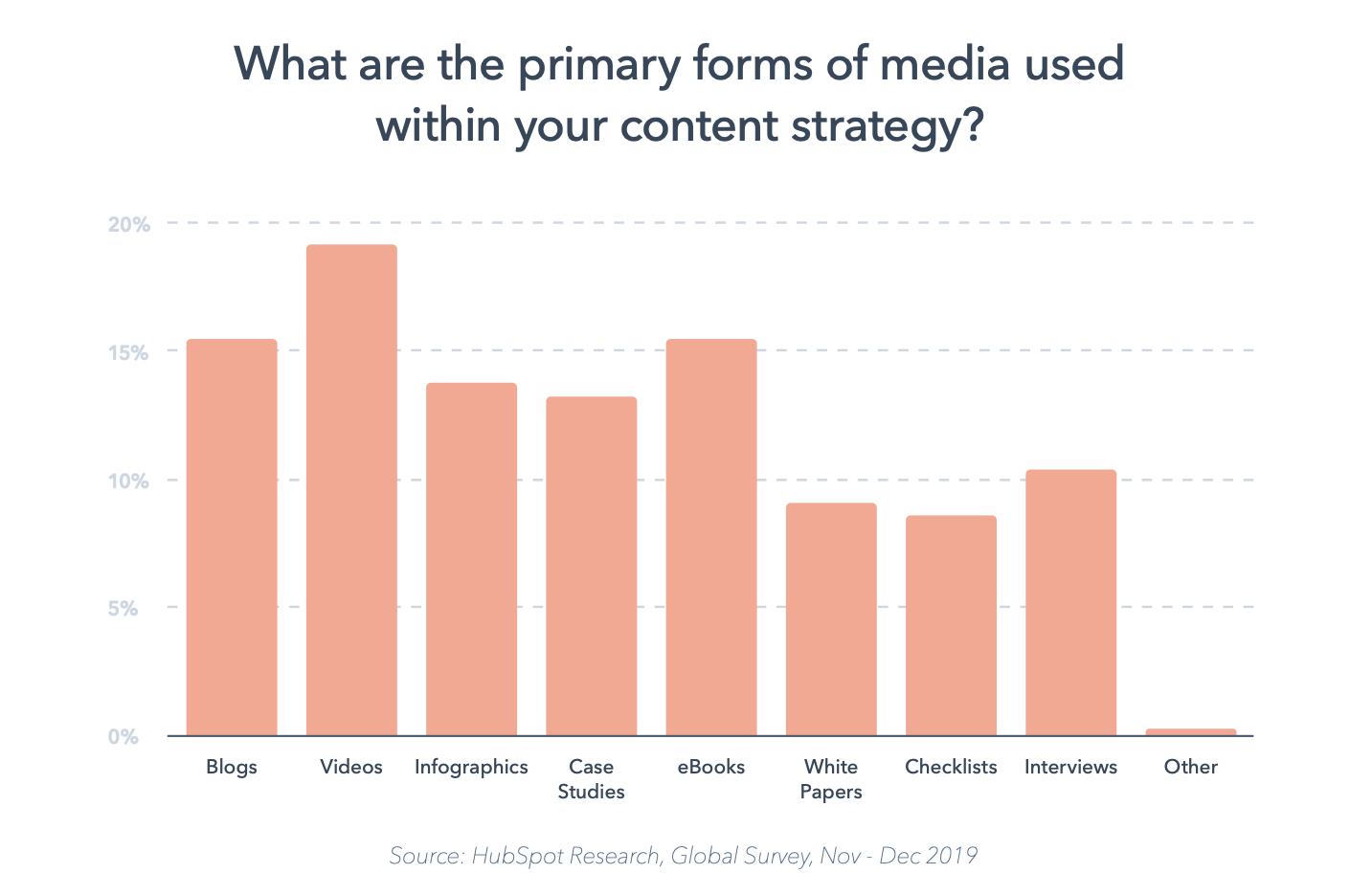
According to HubSpot, the top priority for marketers is generating leads.
However, as any marketer can tell you, not all leads are created equal.
You can spend your time manually poring over the data to determine your best path forward, or you can let Akkio take the reins.
Akkio is an AI marketing platform with tools to support every stage of the funnel.
Where it excels, however, is in its lead scoring capabilities and churn reduction technology.
Using data-driven insights, Akkio aims to narrow in on the leads with the greatest chance of a conversion.
What It Does: Akkio predicts which leads will convert (and which will churn) using AI.
Why It Matters: Stop guessing. Let data decide where to focus your energy.
→ Key Features:
- Automated lead scoring
- Churn risk alerts
- $50/mo entry point (cheaper than a bad hire)
→ Case Study: A fintech startup boosted conversions by 37% by focusing on Akkio’s “high intent” leads.
→ Pro Move: Feed it your CRM data—it learns your unique patterns in 48 hours.
For as low as $50 per month, billed annually, you can give Akkio a try with very little risk.
The features included in all plans are:
- unlimited users
- unlimited data
- unlimited flows and deployments
- integrations and API
- model reports
Who Should Use Akkio?
Companies looking for a scalable, data-driven solution.
Use When: Your sales team argues over lead priority.
8. Bant.io: The Modular Lead Gen Army

If you are hurting for qualified leads, you should know you’re not alone.
According to HubSpot, 61 percent of marketers consider a lead generation to be their top challenge.
The good news is there are marketing AI tools, like Bant.io, that can help.
What It Does: Bant.io offers à la carte lead gen services (email, ads, chatbots).
These run the gamut, including:
- social outreach
- pay per click ads
- retargeting ads
- sales chatbot
Unlike many one-size-fits-all options, Bant.io plans are customizable to meet your business’s needs. Just add the modules you need and leave the rest.
The modules include:
- Email Outreach: $795/month
- Social Outreach: $495/month
- Retargeting Ads: $395/month
- PPC Ads: $395/month
- Sales Chatbot: $95/month
Why It Matters: Only pay for what you need—no bloated suites.
→ Modules That Work:
- Email Outreach ($795/mo): Gets 15-20% reply rates (my agency’s track record)
- Retargeting Ads ($395/mo): 7x ROAS on abandoned carts
- Chatbots ($95/mo): Cuts support tickets by 50%
→ Client Truth: A consulting firm landed 8 clients in 30 days using their LinkedIn outreach module.
Who Should Use Bant.io?
Marketers who favor a piecemeal approach to lead generation.
Use When: You need flexibility, not a one-size-fits-all solution.
9. Funnel.io: The Data Unifier
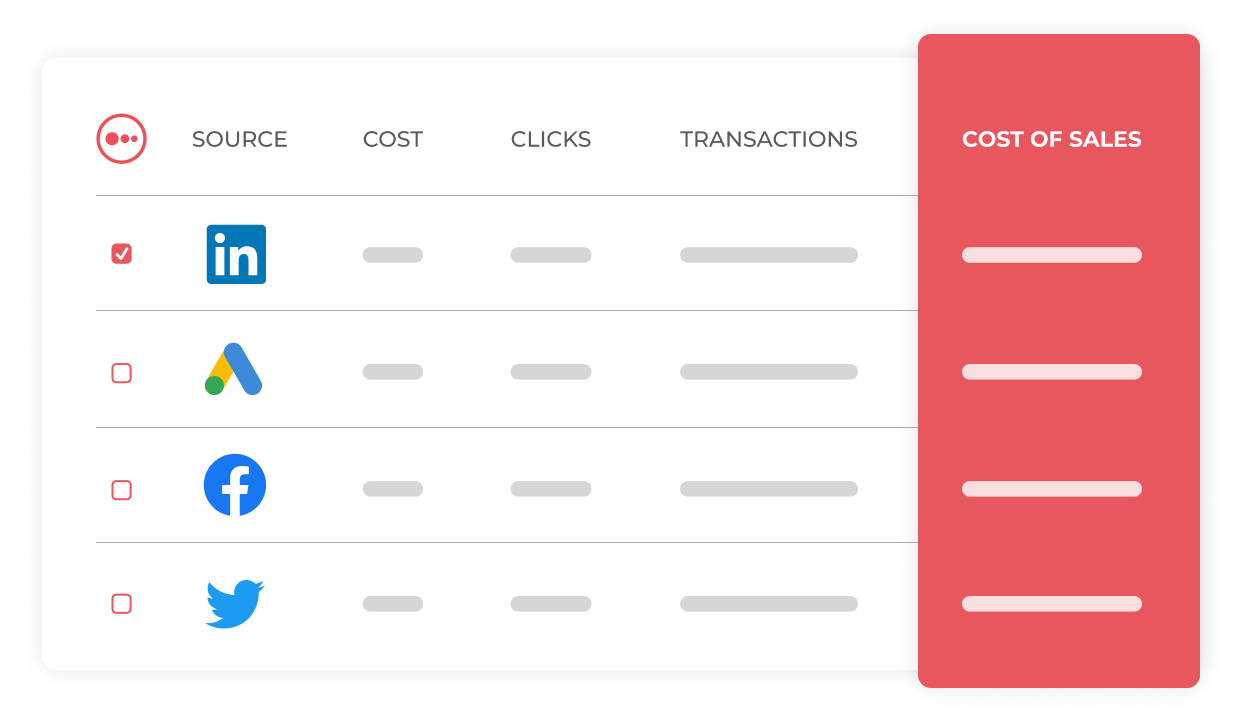
It’s not enough to have a marketing funnel in place.
You must evaluate every step of your funnel on a regular basis.
While most funnel tools will have their own reporting, they may not always present you with the big picture.
That’s where a reporting tool like Funnel.io comes in.
With 500+ data connections available, Funnel.io makes it easy to build reports that touch on all areas of your business.
Can’t find the data source you need?
The team at Funnel.io will work with you to get it added to their platform.
There are a variety of plans available, including:
- Essentials $399/month: Connects to 260 platforms, five seats, email support
- Plus $999/month: Connects to 500+ platforms, unlimited seats, email and chat support
- Enterprise $1,999/month: Connects to 500+ platforms, unlimited seats, priority email and chat support and a Customer Success Partner
All plans are billed annually.
What It Does: Funnel.io connects 500+ data sources into a single reporting hub.
Why It Matters: End spreadsheet hell. See your entire funnel in one dashboard.
→ Key Features:
- Automated data cleaning
- Custom metrics (e.g., “Cost per Warm Lead”)
- Team collaboration tools
→ Brutal Honesty: At $399+/mo, it’s pricey—but worth it if you’re drowning in GA4, Meta, and HubSpot data.
→ Pro Hack: Use their “Funnel Health Score” to diagnose weaknesses in 10 minutes.
Who Should Use Funnel.io?
Marketers or agencies looking for a comprehensive and collaborative reporting platform.
Use When: Your reports are a Frankenstein of mismatched numbers.
Your Next Step (No Fluff):
- Audit Your Funnel’s Pain Point
- Lead gen? → Bant.io or Exceed.ai
- Nurturing? → Saleswhale or Akkio
- Analytics? → Terminus or Funnel.io
- Run a 14-Day Sprint
- Test one tool with a clear metric (e.g., “Reduce lead response time to 2 hrs”)
- Debrief With Your Team
- Ask: “Did this make us more human or just busier?”
Final Truth: AI tools aren’t magic. But when wielded with strategy, they turn “overwhelmed” into “unstoppable.” Now go fix that funnel.

How to Use Video Marketing for Lead Generation
According to forecasts, 2022 is the year where online videos will make up more than 82% of all consumer internet traffic—putting platforms like YouTube, TikTok, Instagram at the center of any marketing strategy.
But how can you use video marketing to generate highly qualified leads or even hit a given marketing goal?
In this article, you will learn how to turn your video content into a lead-generating asset and make the most of it.
Turn Your Video Content Into a Lead-Generation Asset
Although 74% of B2B marketers believe that video converts better than any other type of content, many companies still struggle to harness the potential of video marketing.
In a study, Wistia found that only 22% of B2B brands use video content for lead generation purposes. So, one can assume that the other 78% are not doing it because they either have no idea how or are doing it the wrong way.
Actually, if you want to generate leads using video content, it makes sense to turn your videos into a lead-generating asset before expecting any results, especially if you are in the B2B space.
Think about it, while dancing cat videos can generate results in a B2C context, it won’t cut it if you’re selling products to businesses.
Here are two lead-generating assets you’ll need to leverage to get results:
- On-site knowledge base.
- Video course (Can be onsite, offsite, or both).
The first type of asset is gated, while the second type is not—especially since its purpose is to engage viewers.
A great example of an on-site knowledge base is the Hubspot Academy, home to much free gated content curated by Hubspot.
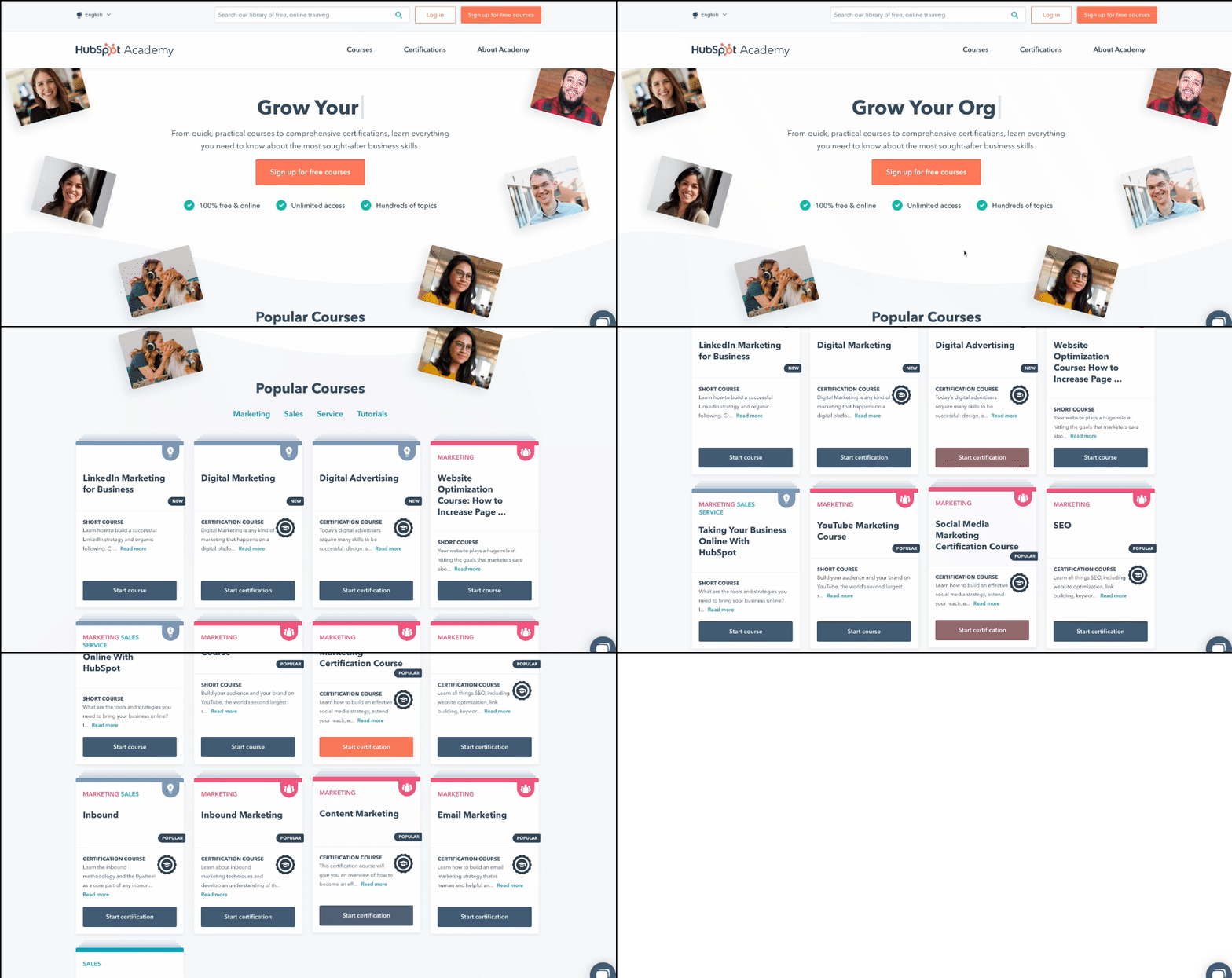
On the other hand, Yoast is a perfect example of a brand that leverages on-site and off-site video courses on its site and Udemy.
The Benefits of Your Lead-Generating Assets
The first benefit of planning your video marketing strategy around a lead-generating asset is that it allows you and your entire marketing team to have a 360-degree view of how to direct your video creation efforts.

The second benefit is that these assets can be used to fuel the top and middle of your sales cycle. As a result, your website will get more engagement and traffic from people who simply want to be informed or make informed purchase decisions.
The third benefit is that, when gated, your video content can help you collect email addresses—which can help you turn some visitors into leads and ultimately into customers.
Note that regardless of whether it is off-site or on-site, your lead-generating asset will still generate results. For example, if you host courses on Coursera or CXL, you can tap into the audience engaging with your courses on these platforms and win new leads.
Things To Consider When Creating Lead Generating Assets
VA video content that acts as a lead generation asset must contain several things to be effective.

It must be based on a popular search query.
As controversial as it may sound, leads are a byproduct of web traffic. Think about it, before you can convert a visitor into a lead, you need to have visitors first. That’s why it’s essential to choose a keyword that has a search intent—this way, your video can rank and generate traffic on its own.
It must be aligned with the products you sell.
According to a study, most of the 1,000 most frequently searched prompts on search engines are how-to questions. Meaning that your audience/viewership has a gazillion problems, and they expect you to help them find solutions. So make sure your videos cover problems your product solves and position yourself as the ideal solution.
It should not be too specific.
An Ipsos’ study on advertising found that both visual and written content wear out. This means that if you don’t diversify your video content, it will wear out—and lose engagement. You’ll want to add fresh videos regularly to re-engage your current viewers, which a super-specific topic won’t give you the flexibility to do.
It must be relatable.
Not only does your video content need to align with your overall brand values, but it also needs to be relatable from the viewers’ perspective. So instead of going heavy on brand awareness, try to double down on brand affinity. Think about it—just because someone knows your brand doesn’t necessarily mean they will buy your product.
Adobe is a perfect case study to illustrate the above criteria. They have a course on Photoshop on their website and Udemy. Each course requires the use of Photoshop, which is an Adobe product.
When you search for the Photoshop course, you will find that the course on Udemy ranks first and the one on adobe.com ranks second.
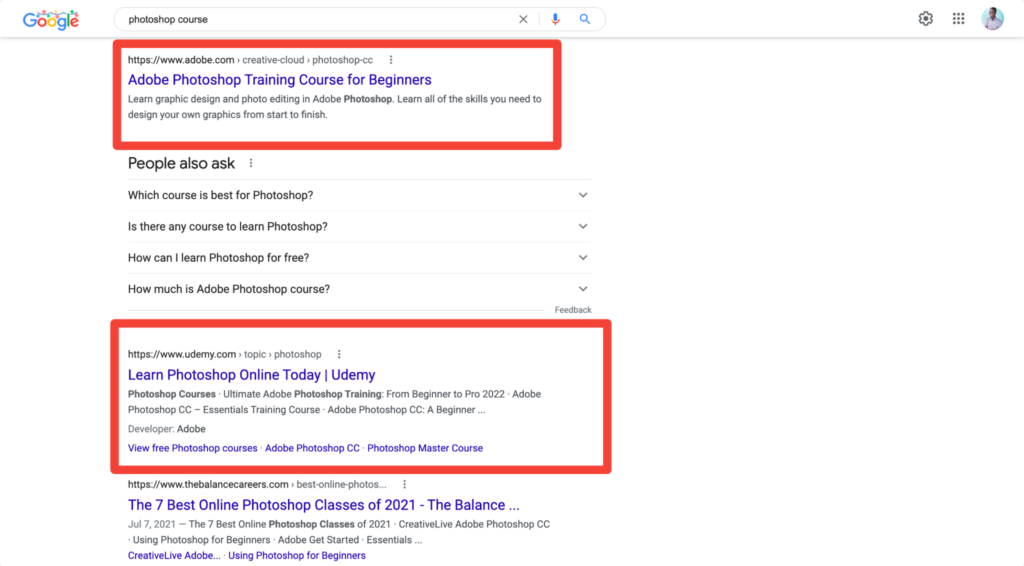
Plus, Photoshop is a vast topic, so Adobe can keep adding content as they create it.
Now that you know what makes a great lead-generating video content, here are some types of videos you can leverage to get optimal results.
Choose The Right Video Type to Fuel Your Marketing Strategy
Below are three types of videos you can leverage to generate more leads.
Influencer-backed videos
CXL and Fullfunnel.io are perfect examples of companies that put influencer-driven video content into action.
CXL partners with experts (influencers) to produce free and paid courses and often webinars.
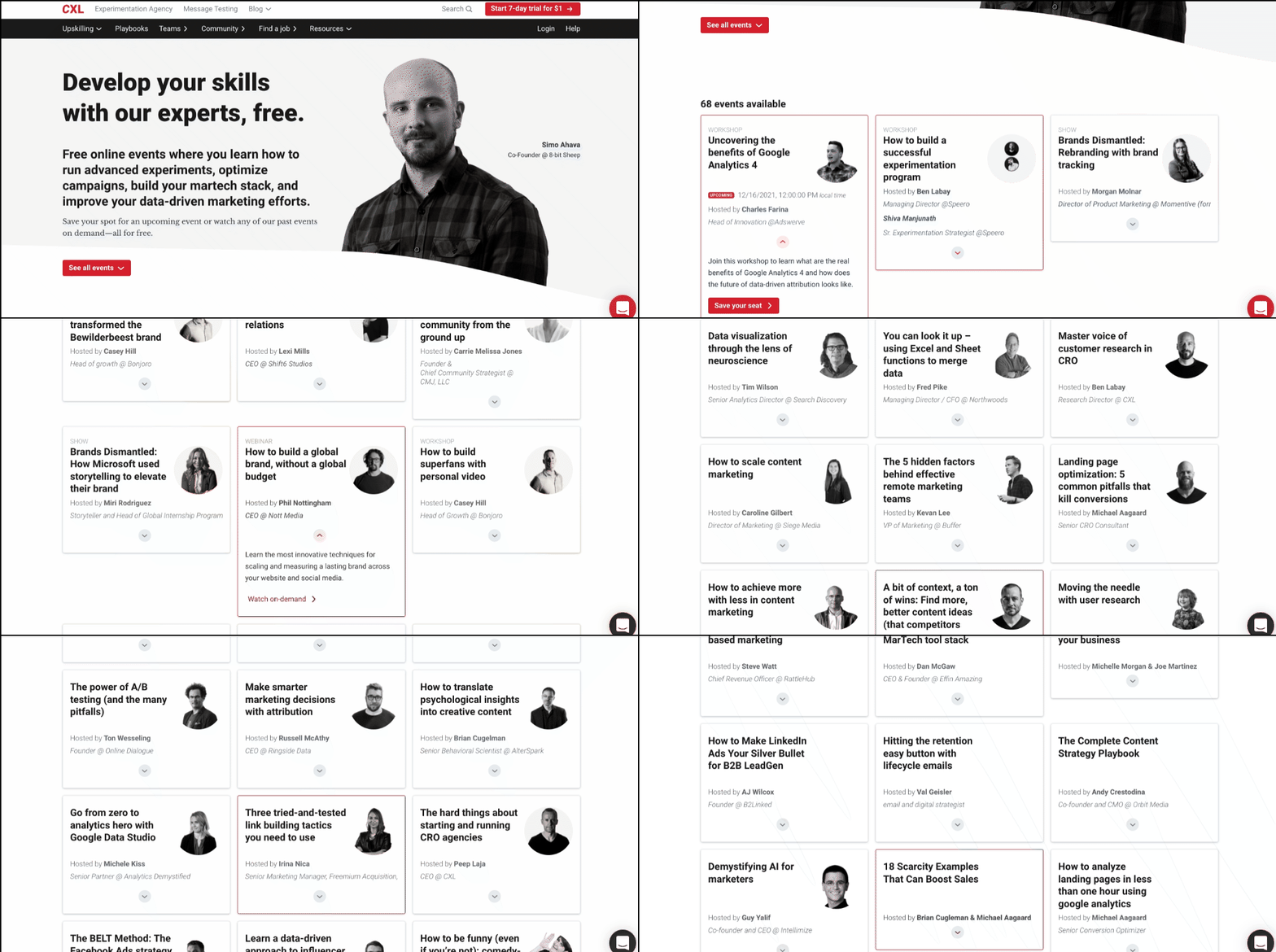
You don’t have to pay to watch these videos, but if you want to get a sneak peek or access these courses, you have to opt-in with your email addresses and names. CXL uses this video marketing strategy to fuel its courses’ subscribers base.
Andrei Zinkevich and Vladimir Blagojević from Fullfunnel.io use the same strategy except that their content is free to access and does not require opt-in.
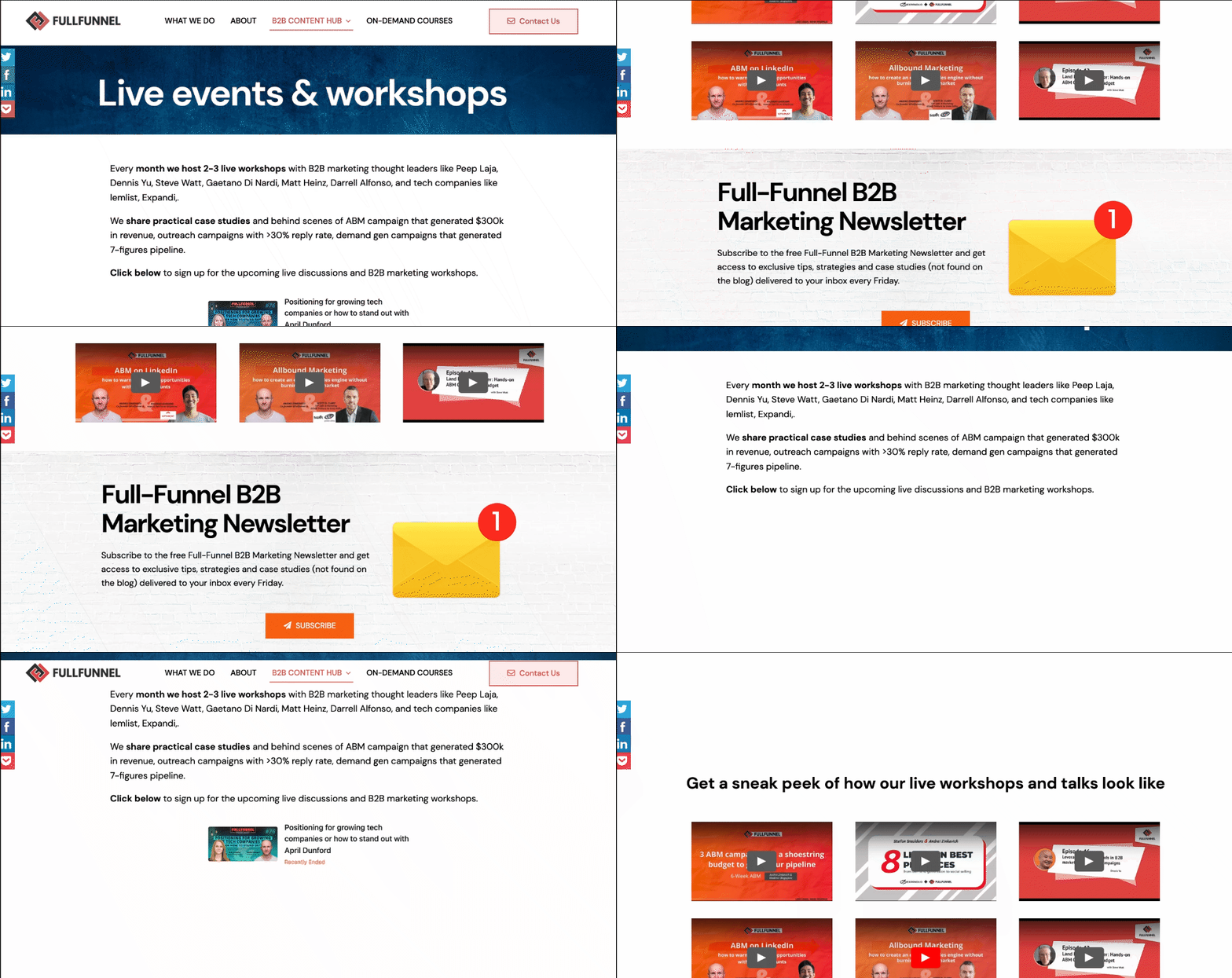
On the other hand, the end goal of their webinars is to build awareness, help viewers solve their problems, and position Fullfunnel.io’s services as the ideal solution to viewers’ problems. So far, this strategy has helped them grow the demand for their service.
The beauty of this type of video content is that it lets you tap into the fan base and authority of guest influencers to fill your lead pipeline before and after the video sessions. It’s the ideal way to educate, engage, and convert leads—all at the same time.
Demo videos
Whether you are selling a SaaS product or any other solution to B2B brands, chances are you are already leveraging demo videos.
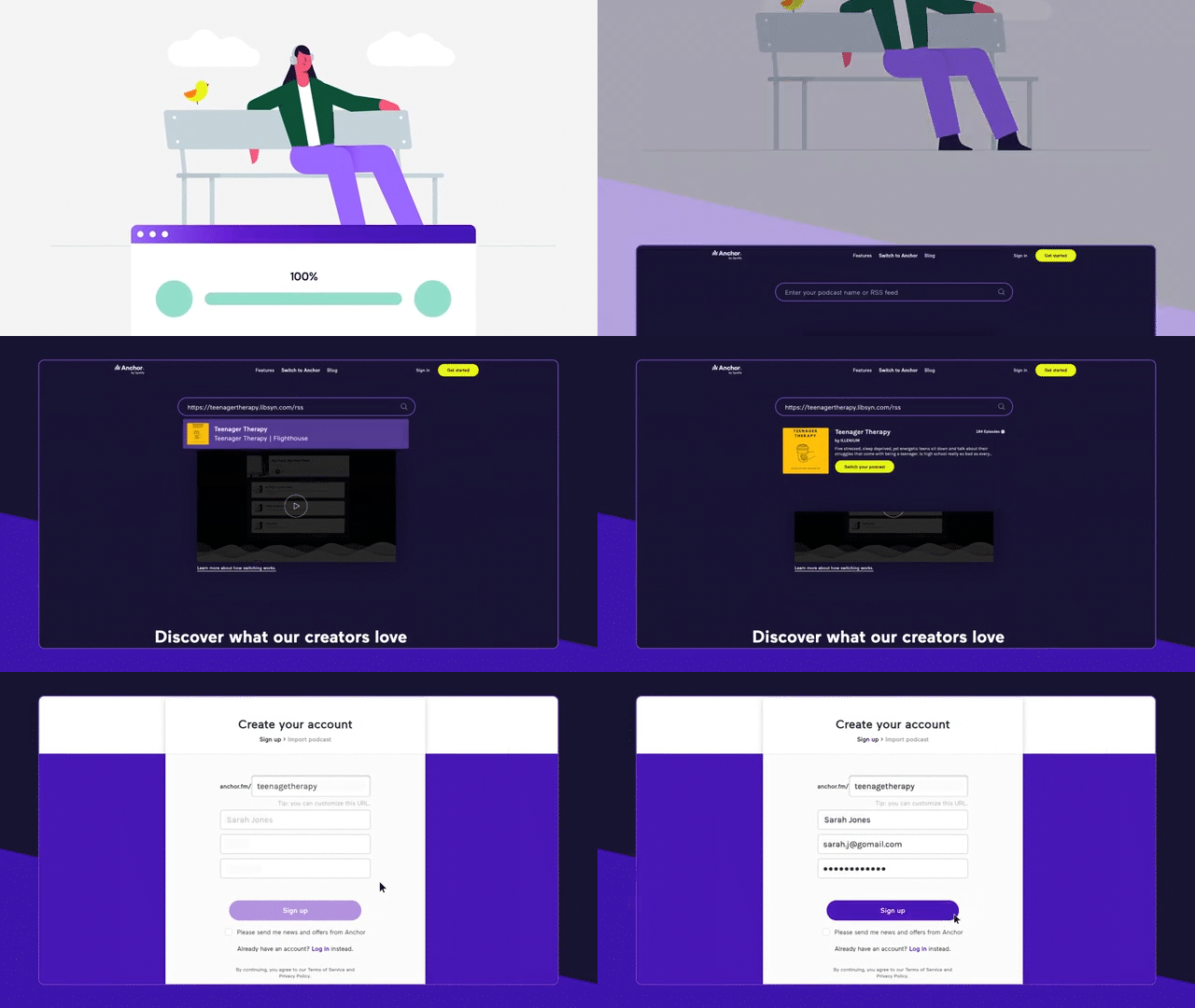
Demo videos, contrary to popular belief, make significant content assets. For example, Wistia uses demo videos to educate their audience and as a channel to make a query (place a form or even include a CTA at the end of the video). And Vidi uses them as a FAQ to clarify user questions and engage them even more.
Salesforce is another example of companies that leverage demo videos as lead-generating assets. Salesforce gates each of its product demos so that visitors have to exchange information before they can access the company’s resources.
Testimonial videos
Ninety-two percent of consumers trust a brand that someone has recommended to them, even if it’s a stranger. Couple that with the fact that people trust testimonial videos more than traditional text-based testimonials.

By inviting your established users to create video content (testimonial videos) to recount their experience using your product, your soon-to-be customers and prospects will have a more objective idea of the value proposition of your product.
Testimonial videos are also a type of user-generated content that allows companies to move prospects quickly through their sales cycle and accelerate the buying decision. In fact, these types of videos add credibility—it’s not just you saying what can be done; it’s actual users showing how they benefit from your product.
Repurpose Your Video Content to Suit All Your Marketing Channels
Creating and editing a video takes a lot of time, so there’s no reason to use it only once.
Here’s what Michael Pirone, co-founder of Vidico, has to say about it.
“You can leverage many distribution channels to get the word out about your videos and your product. Spend time getting to know your target audience and share your videos where they will have the most impact.”
Ways to make your videos work as a marketing flywheel
Here are three ways to make your videos work as a marketing flywheel.
1. Repurpose video on your blog.
A study showed that videos are 50 times more likely to appear on the first page of Google than text results. So by posting your videos on your blogs like Neil Patel and CoSchedule do, you’re more likely to rank and engage your audience.
2. Add a full transcript next to your video.
Doing transcripts for your videos has two benefits. The first is that transcripts attract search engines with relevant keywords, which in itself is a ranking factor.

The second is that transcripts provide an opportunity for backlinks and internal linking. Without text, there is none of that. The other advantage is that visitors who don’t want to watch the whole video can still browse the transcript.
You can also put your transcripts together and turn them into gated downloadable content.
3. Create short videos.
In this age of TikTok and Instagram, short-form video is KING. However, not every B2B brand has its audience on TikTok. In this case, you can share these videos on LinkedIn. A great example of this is Chris Walker of Refine Labs.

His short videos on Linkedin get thousands of views and serve as an awareness and nurturing campaign for Refine Labs.
The post How to Use Video Marketing for Lead Generation appeared first on Content Marketing Consulting and Social Media Strategy.
Source: convinceandconvert.com

How to Avoid Failure in Account-Based Marketing
Did you know B2B marketers who report the most success from their digital activities in 2021 are more likely to be engaged in account-based marketing (ABM)? Only 16% of B2B marketers who describe their digital marketing efforts as “somewhat successful” have a measurable ABM program in place.
That number is reduced to 6% for those who say their digital strategy is unsuccessful at achieving goals set for the program. Check out this and other trends in our State of B2B Digital Marketing report.
Disclosure: This content is reader-supported, which means if you click on some of our links that we may earn a commission.
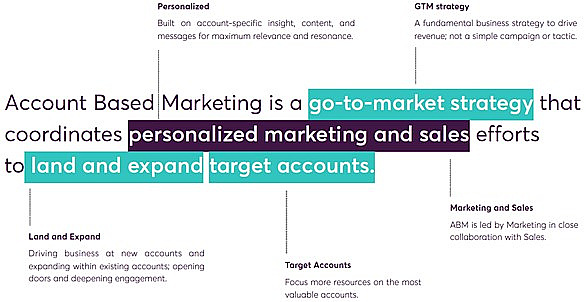
What Sets Successful ABM Strategies Apart From Those That Fail?
To start, ABM requires a different planning approach than more traditional B2B marketing methods.
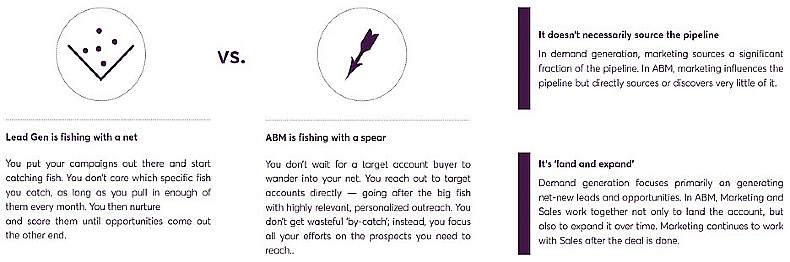
The focus shifts away from driving lead volume and relies on a multi-channel content strategy for key accounts’ aimed at influencers and decision-makers for more personalized experiences.
ABM is based on different performance indicators that favor looking at high quality engagement indicators.
These engagement indicators aim at accelerating your pipeline velocity and increasing the overall account value versus quantity and cost per lead metrics.
To avoid account-based marketing failure, start your ABM plans by first defining your target account list and audience segmentation:
Targeting:
To develop a shortlist of high-value accounts, take a look at your customer data and develop your version of a 360-degree view of attributes that include things like: industry, size of the organization, growth stage, revenue, etc.
Determine which characteristics drive the most value for your company.
Analyze that list against other information that gauges interest and engagement with your product, including things like website visits, account tenure, intent data from search engines as well as any other relevant relationship health metrics.
Don’t try to boil the ocean — there is no reason to convert your entire organization to an ABM model.
Once you have your best-fit customers identified, you’ll be in a position to put together a list of prospect organizations with similar attributes.
Don’t try to boil the ocean — there is no reason to convert your entire organization to an ABM model.
Most successful teams are able to identify a few key prospects for an ABM strategy with some focusing on larger deals with more complexity and influential internal stakeholders.
Audience Segmentation:
ABM targets are generally composed of a few audience segments that consider both the industry and the individual’s role within the target organization, as well as the purchase process.
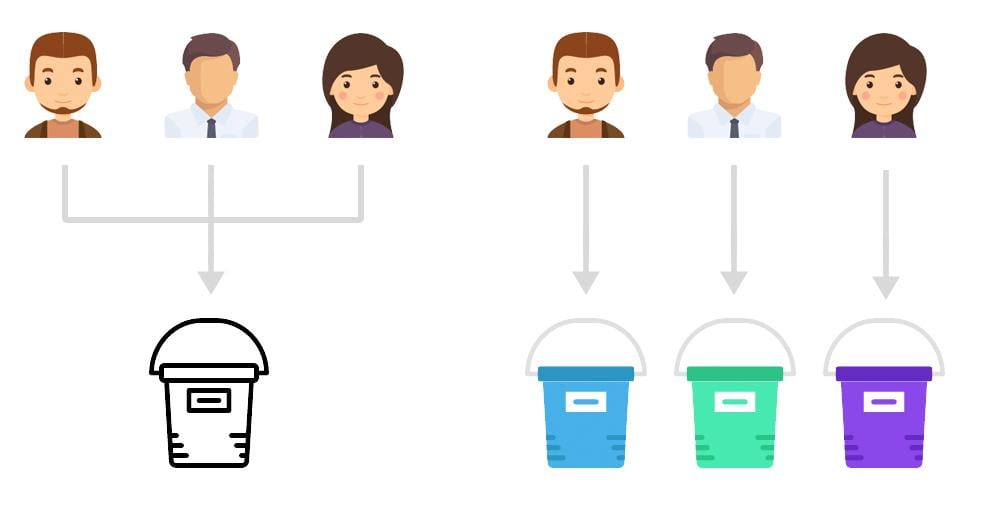
The aim is to deliver personalized content that speaks to the pain points of that particular individual in order to drive meaningful engagement that can lead to a sale.
For example, if your company provides IT infrastructure support to small and mid-size companies, someone in a day-to-day operations role would be interested in a downloadable eBook with how-tos for server protection against new security threats, versus the CFO.
However, a whitepaper on managing costs of ongoing threats to information security may prove more effective for the C-Suite or individuals with a senior-level finance role.
Once you have a shortlist of target accounts with audience segmentation, you can then build your content strategy with multi-channel campaigns.
Consider incorporating tactics for:
- website personalization,
- email, direct mail,
- direct sales outreach,
- digital ads,
- sponsored content, etc.,
with engagement triggers that indicate when and how to advance the customer in the sales process.
Sales and Marketing Alignment:
Successful ABM marketers are aligned in lockstep with their sales organizations.
Ever since the invention of email marketing in the early 2000s, driving lead volume has been easy, but the lead quality has suffered.
ABM forces strategic alignment between marketing and sales in order to shorten the sales cycle and drive quality growth not just lead volume.
How to Avoid Failure In ABM
- Pay close attention to triggers that move a customer forward in the sales cycle, and how well marketing engagement metrics are aligning with both sales activities and business outcomes.
Provide ongoing training for sales teams on available content, how it’s performing, and to solicit feedback. - Understand which accounts sales teams care most about on an ongoing basis.
Apply a test and learn approach that includes dedicating some of your marketing budgets to your ABM target account list. - Activate sales teams by indicating which account to take action on next, what engagement signals the account is showing, and the action to take on those signals.
- Abandon the traditional marketing funnel for measurement purposes. Using the same lead analytics associated with lead volume and lead quality can make ABM efforts seem ineffective when performing well.
- Focus on conversion metrics for your ABM pipeline compared with other sales pipelines for your organization, including sales cycle duration. For most teams, this will include ensuring you have executive buy-in as well as dedicated resources for creating new reports for ABM performance.
Stay Focused On Your High-Quality Target Accounts
Earlier this year, 43% of B2B marketers said they had a measurable ABM strategy in place — how many will be successful?
ABM strategies typically require investments in content creation and new reporting dashboards in order to create multi-channel campaigns for each audience segment within your target accounts.
To justify the resource investment and set your team up for success, be sure to focus your team’s efforts on a shortlist of high-value accounts.
The post How to Avoid Failure in Account-Based Marketing appeared first on Content Marketing Consulting and Social Media Strategy.
Source: convinceandconvert.com

How to Create a Lead Generation Minisite in 3 Steps – Tips & Tools
Do you have a long list of domains you never had time to create a website for?
Who doesn’t, right?
Here’s an idea for at least one or two of those: set up a lead generation website.

I have an SEO background, so in most cases, my advice would be: keep everything on your main site.
Don’t dilute the brand.
Why Do You Need a Separate Minisite for Your Brand?
Yet, there are several reasons why you may want to set up a separate minisite for your brand.
These reasons include:
For personal branding reasons.
Ok, I have my business and my main site, but what do I do with myname.com domains which I rightfully registered so no one else would?
Should I just keep it empty?
I don’t have time to maintain another site!
That’s when a one-page “portfolio” style website makes total sense.

When you need to take an extra position in SERPs.
This makes sense for brand-driven search results.
Google will usually grant you one — maximum of two — positions when people search for your name in combination with another term, but, obviously, you’d want to control more of those search engine result pages.
Let’s say people are searching for something like [your-name coupons], there will be lots of third-party (affiliate) sites that will potentially drive those customers away by showing your competitors or showing ads.
So grabbing a separate domain, like your-name-coupons.online and curating the most recent special deals of yours would give you more control of that search.

When you are launching a completely different project.
I am an SEO and suddenly decide to write a book on being a mom.
It is a good idea for me to register a domain (which would match my book title) to start collecting leads for my future book independently of my main business.
In all the above cases, getting those sites to rank and drive some organic visibility will be quite doable.
When it comes to personal brand or brand-driven queries, all it takes is to set up a minisite and link to it from your main site.
That being said, keeping all links and brand exposure consolidated around your main site is obviously smart, yet there are many cases when you need a separate entity.
On top of that, you are likely to be busy and cannot spare much time for your new site, so let’s keep things easy.

How to Set Up a Mini Lead Generation Site
Here’s how to set up a mini lead generation site:
1. Pick a Domain
This step is getting harder and harder now that it is becoming next to impossible to find an available .com domain that wouldn’t be all dashes.
I’ve got good news for you:
There are lots of options beyond .com domains, and all of them are equally effective.
There’s a cool tool that will help you pick a great domain and even help with branding.
Namify is what that tool is called, and it’s a time saver!
The tool allows you to find a cool brandable name in minutes. Unlike other domain name generators, it focuses on short names that create niche associations and are easy to remember.
You’ll love those ideas.
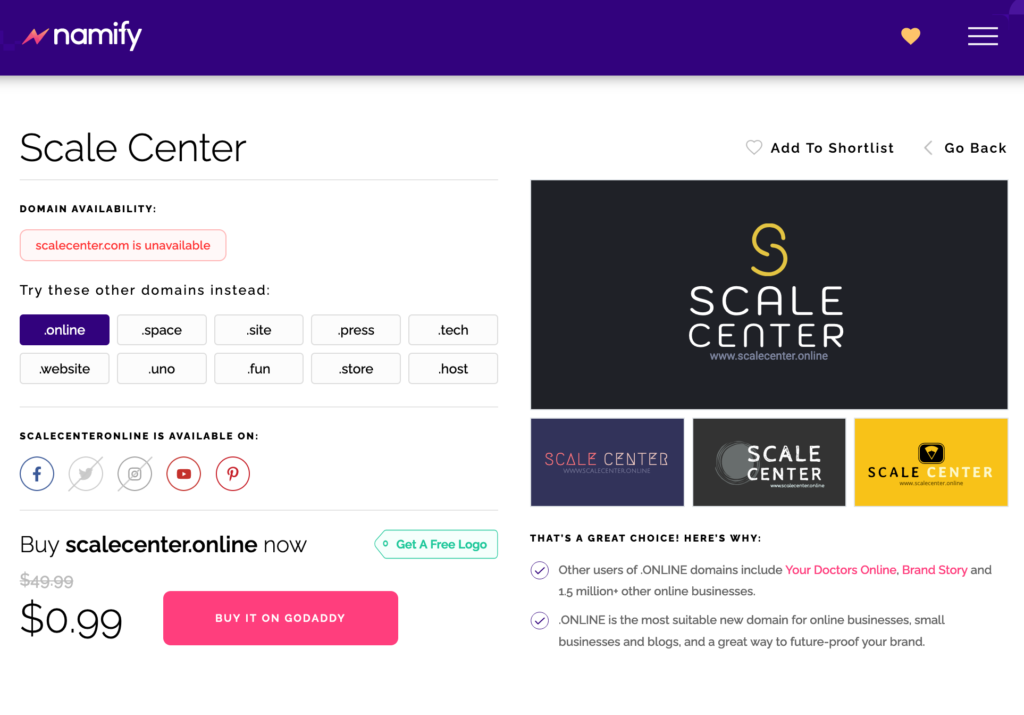
On top of that, Namify will draft your visual brand identity (logo and color scheme) for you to use right away:
2. Set Up Your Site
When dealing with a secondary asset (which is not your main site), the easier the setup, the better.
With that in mind, I suggest using WordPress, which makes it incredibly easy to create a website.
Here’s a detailed beginner-friendly guide on making a WordPress site.
All you need is to follow the steps.
And here’s a huge collection of one-page WordPress themes (both free and paid) which are easy to customize to match your chosen color scheme, logo, or your main brand.
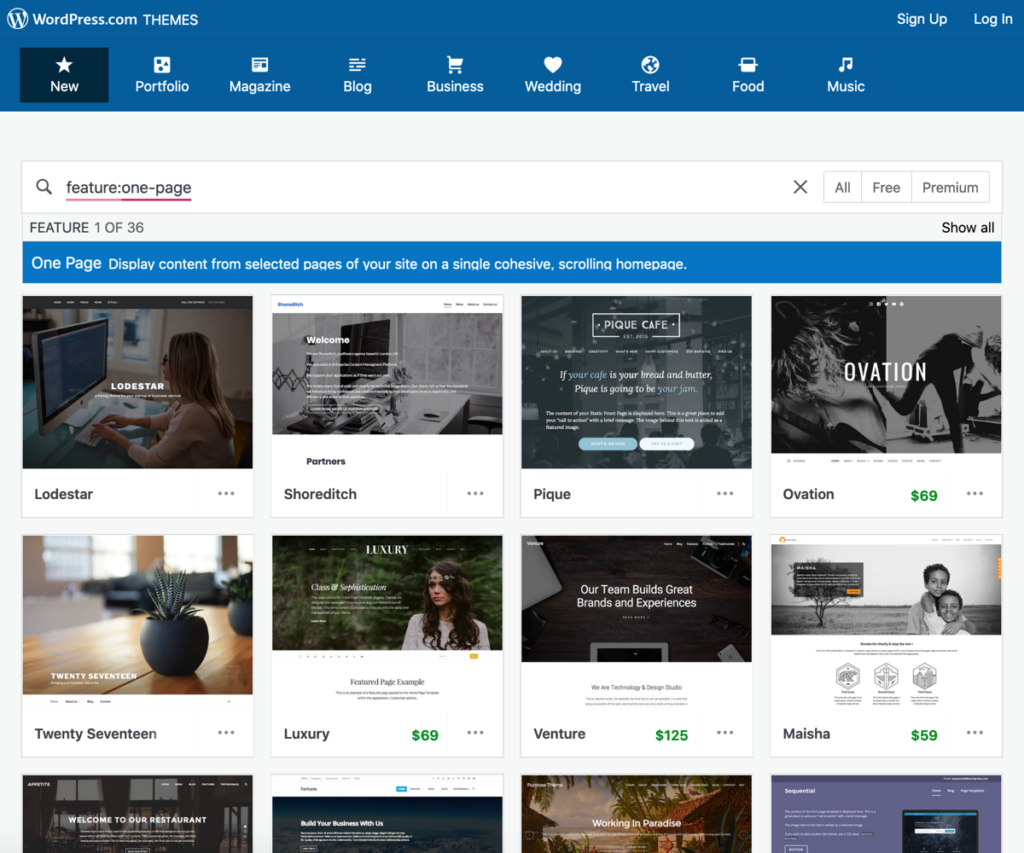
There are tons of one-page WordPress themes to choose from.
Once the basic setup is done, it is time to create your content.
To make it easier, try running Text Optimizer for your core search query — it basically writes content for you.
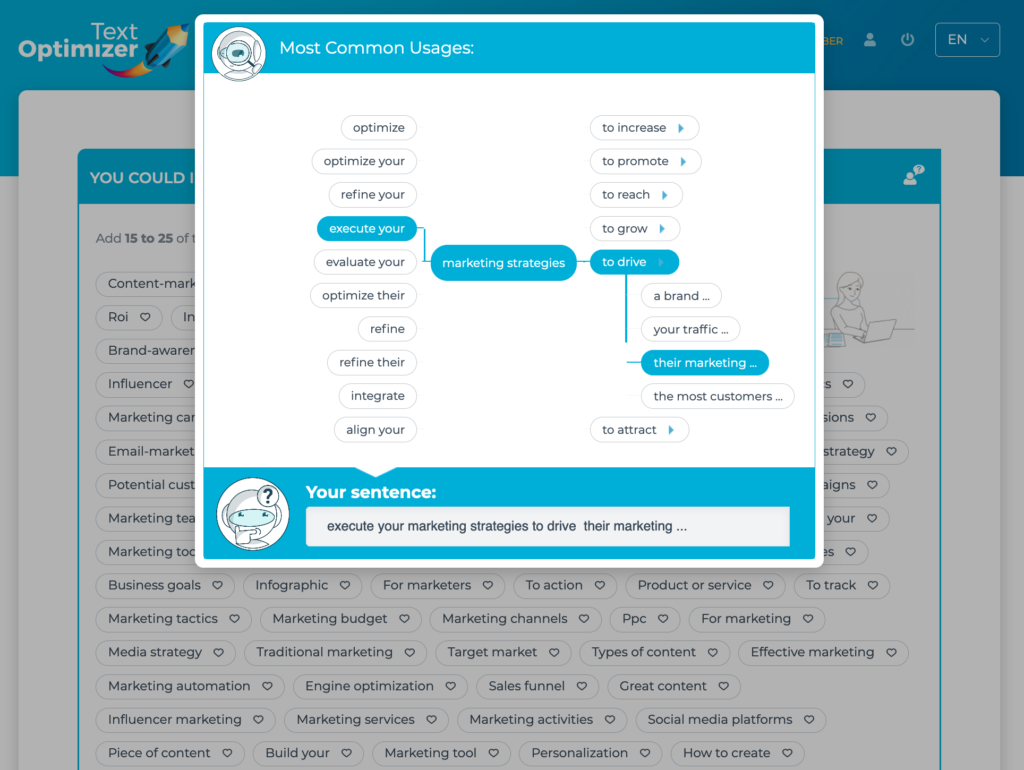
I use Text Optimizer to create the core structure of my page: the subheadings, introduction and key points to be covered.
After that, I write my text.
This has been the biggest writing productivity booster I’ve ever tried.
Since this is going to be a website focusing on collecting leads, using Text Optimizer is a great idea because it is also an intent optimization tool that makes sure your copy meets your site visitors’ expectations and hence increases the conversions.
3. Set up Your Lead Generation Funnel
Finally, setting up a clear lead generation funnel is something you will be focusing on.
Obviously, you will need to keep experimenting with your CTA wording and placement, here but here are a few ideas for you to get started:
3.1 Set up your lead generation forms
Setting up a lead generation form doesn’t require any technical skills these days.
Here are a few easy-to-use online form builders you can use to create a form to collect leads from your site visitors:
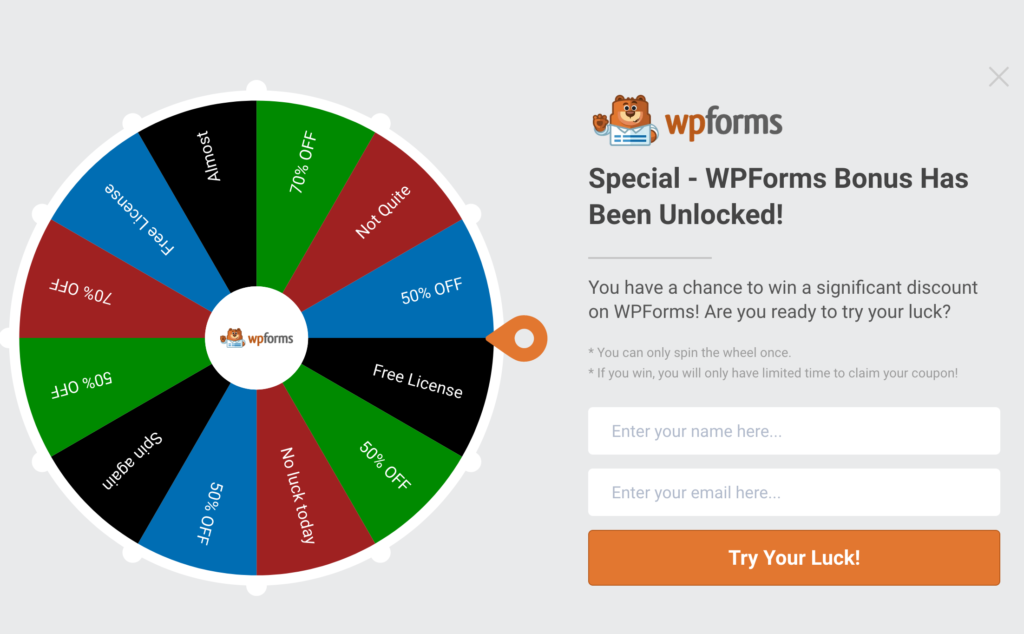
Don’t be afraid to gamify your lead generation web forms and make them fun!
3.2 Implement secondary engagement triggers
No matter how cool your web forms are going to be, the majority of your site visitors may feel wary of giving you their email addresses.
Some people may be in a hurry; others may not have enough trust in your brand.
Regardless of the reason, these people may be willing to convert a bit later.
So coming up with additional engagement triggers is helpful:
- Install Facebook pixel to be able to reach out to those visitors through Facebook ads
- Try using a smart chatbot or feedback widgets to get those people to talk to you without sharing their personal details. This may encourage them to follow your conversion funnel on a later basis.
- Use more traffic-driving conversion optimization tactics to engage more of your site visitors. Remember that certain conversion optimization tactics will also improve your rankings, so it is well worth the effort.
3.3 A/B test often
Again, this is going to be an ongoing process: When it comes to generating leads, there’s never “good enough.”
You need to experiment with new engagement triggers and change your forms on a regular basis.
This is where A/B testing to identify your better-working tactic is always a good idea.
I know lots of marketers who shy away from A/B testing because it is deemed too technical.
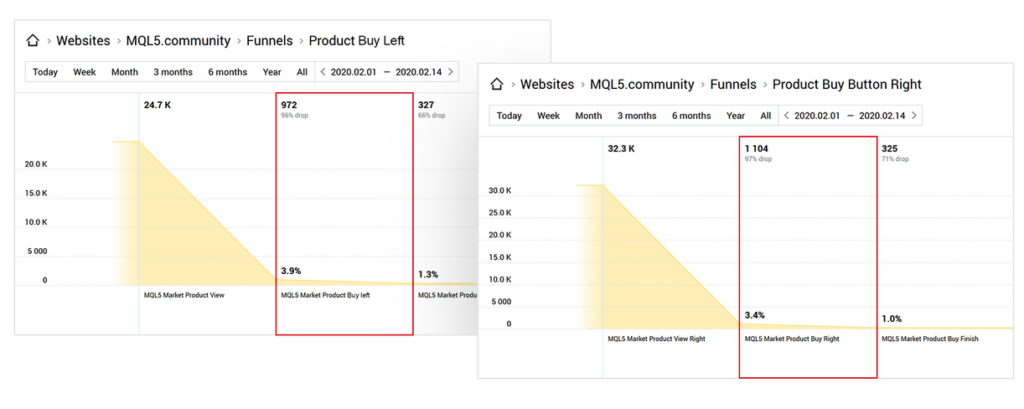
Finteza is a web analytics tool that makes A/B testing easy and available to anyone. Here’s how to run A/B tests using Finteza.
Conclusion
If setting up a minisite to claim your old but neglected domains have been on your mind for quite some time, I hope this guide will finally get you up and running.
I did my best to make it as easy to follow and implement as possible.
When it comes to lead generation, every bit helps, and who knows, maybe this site will drive some great leads.
The post How to Create a Lead Generation Minisite in 3 Steps – Tips & Tools appeared first on Content Marketing Consulting and Social Media Strategy.
Source: convinceandconvert.com

Lead Conversion Statistics All B2B Marketers Need to Know
B2B marketing is complex with a myriad of tactics, technologies, and data solutions to choose from to promote your business and sell your products and services.
As complex as modern B2B marketing is, it is also as simple as:
- How do I attract people to my products and services?
How do I convert those people to purchase?
Ascend2, in partnership with Verse, surveyed 277 marketing professionals to learn more about the state of lead conversion.
If you find that lead conversion is difficult, you are not alone.
The State of Lead Conversion in Marketing and Sales found that only 12% of marketing professionals are very satisfied with their lead conversion abilities.
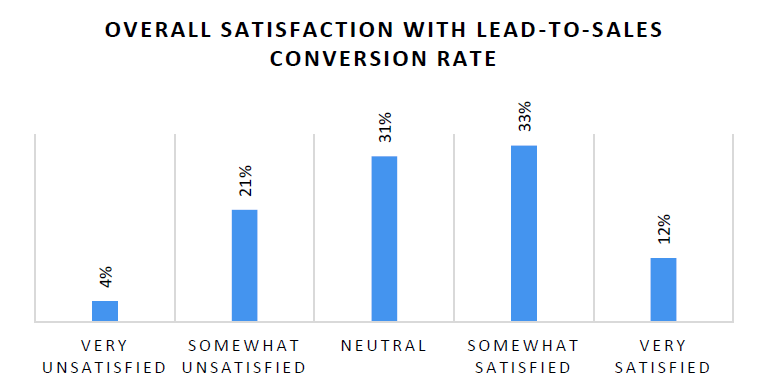
Companies continue to struggle with establishing contact, qualifying, and effectively following up with the leads they spend so much time and money to generate.
Lead conversion is challenging, but the inability to improve lead conversion rates has several significant, negative downstream impacts:
- wasted marketing budget,
- wasted sales team time,
- And significant lost revenue opportunity.
“Verse calls this the lead conversion gap, and we believe closing it is the next frontier for marketing and sales,” said David Tal, Verse co-founder, and co-CEO.
The Lead Conversion Report provides valuable insight to help companies understand the lead conversion gap and provides insight and tips on how to close the gap.
Noteworthy Lead Conversion Statistics & Findings Based-on It
Here are a few noteworthy lead conversion statistics from the research study, The State of Lead Conversion in Marketing and Sales.
Finding #1: Companies Need More Lead Qualification Data
Lead conversion is hard. Identifying the challenges with lead conversion allows you to develop a plan to overcome those challenges.
Gathering and organizing relevant data, then leveraging it to better communicate with your leads is essential to increasing lead conversion rates.
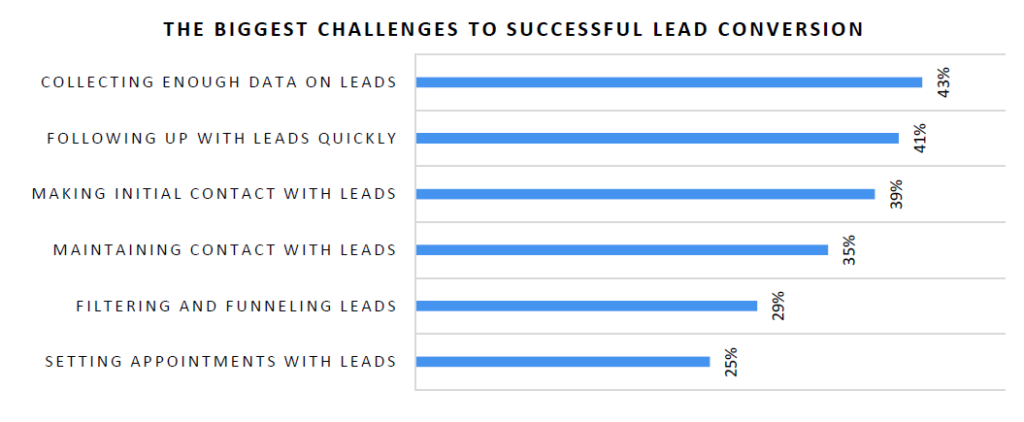
43% of those surveyed report that collecting enough data on leads is the greatest barrier to successful lead conversion.
Following up with leads quickly, before they lose interest, and making initial contact with leads also rank at the top of this list of challenges for 41% and 39% of marketing and sales professionals, respectively.
Finding #2: Companies Struggle to Establish Fast Initial Contact with Leads
Research shows that the 24/7 speed of response to a lead inquiry is critical for improving conversion.
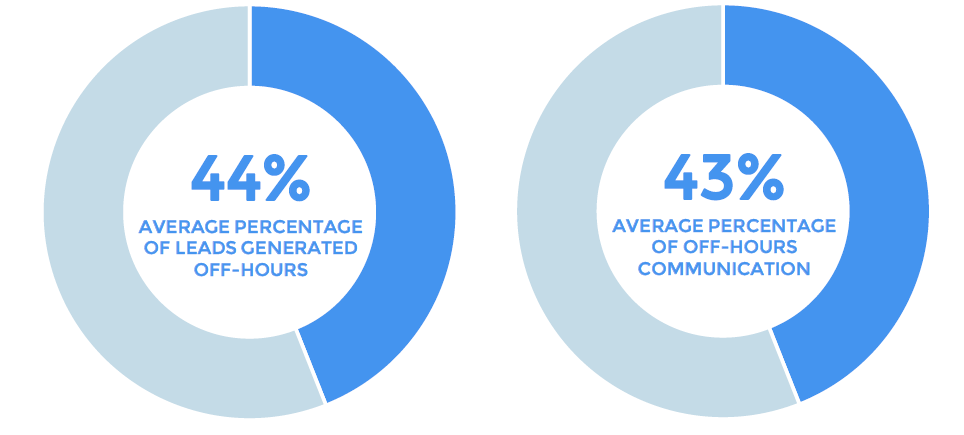
41% of companies feel following up with leads quickly is a challenge, especially given that a significant number of leads come in after regular business hours.
There are three reasons Inside Sales cited why speed-to-lead is so vital:
- Presence detection – if a lead puts their information in on a website or fills out some sort of online inquiry form, the lead is likely still next to their phone or computer. Contacting a lead immediately provides the best odds by far for getting a lead to engage quickly.
- Top-of-mind-awareness – this concept of calling or contacting a lead immediately equates to staying on their mind. The average callback time is nearly 48 hours after a lead submits an inquiry — if you can’t outperform that significantly, the consumer will likely have forgotten about your business. (InsideSales.Com)
- The “Wow” effect – people seem to be impressed rather than concerned when a company follows up within minutes of inquiring! This “wow” factor creates a response from consumers that establishes immediate trust. Prospects likely correlate the promptness of response and assume that their business was prioritized and valued.
The speed-to-lead mission is non-negotiable for sales teams to capitalize on their leads.
According to LeadSimple, you’re 21X more likely to convert a lead if you respond within the first 5 minutes versus 30 minutes.
Finding #3: Communication Capabilities Matter
The vast majority of marketing and sales teams are utilizing more manual and time-consuming methods of attempting contact with inbound leads.
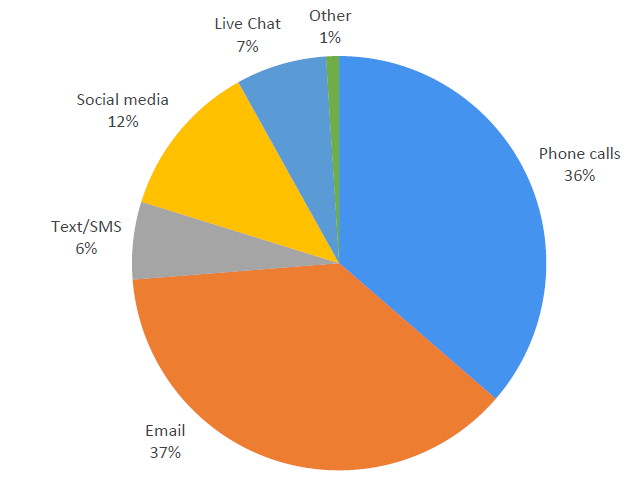
Over two-thirds of those surveyed say email (37%) and phone calls (36%) are the communication channels used most often to follow up with inbound leads.
Only 6% of those surveyed take advantage of text/SMS to follow up with leads.
A Closer Look: Do you use text to follow-up with leads?
89% of consumers prefer to communicate with businesses via SMS. With an opportunity as clearly defined as this, now may be the time to re-examine your communication strategy and ask the question, are phone and email still the best option?
Finding #4: The State of Marketing Automation
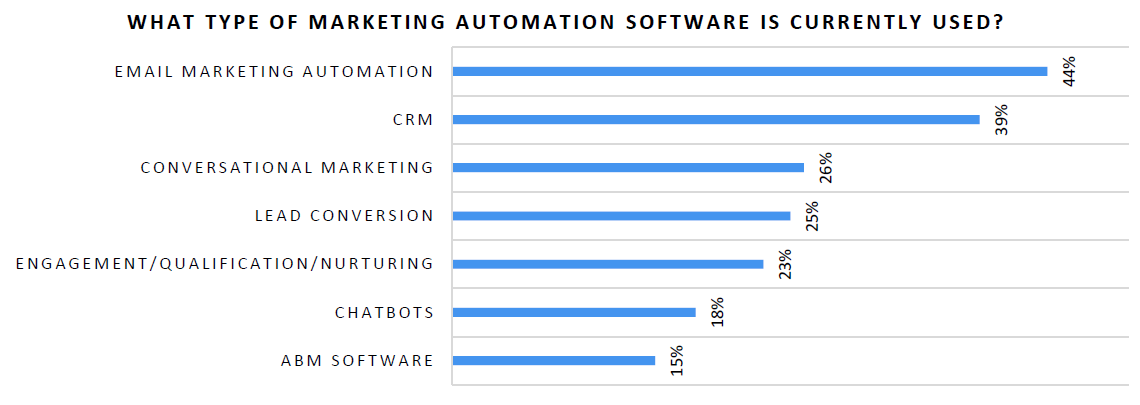
Nearly half (44%) of those surveyed have email marketing automation and 39% use a Customer Relationship Management (CRM) tool.
Interestingly, only 25% of marketing and sales professionals have automation software specific to lead conversion.
Did you know?
There are 8,000+ MarTech solutions and the number continues to grow.
There is plenty of technology available but expensive and complex tech stacks aren’t cutting it, especially at the bottom of the funnel.
Smart integration between systems is critical to success.
For example, software that integrates with any CRM solution, meaning you do not have to invest tons of time and money creating and maintaining additional software for the sake of a contact center.
This simple solution is one more step to closing the lead conversion gap.

Join the Course Now.
Bonus Finding: Sequencing Matters
According to 43% of marketing and sales professionals, the first attempt to contact a lead is made by phone call, followed by email for 40%.
By the third follow-up attempt, those surveyed begin to utilize text (21%) and live chat (11%) more frequently.
The most common follow-up sequence is: ❶ Phone → ❷ Email → ❸ Phone
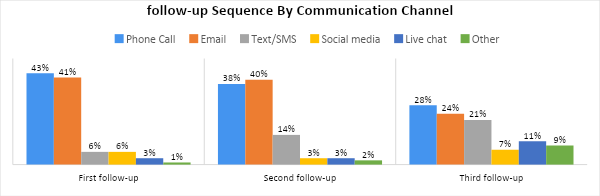
Lead Conversion Follow Up Sequence by Channel
While phone calls remain the communication channel of choice, 87% of people don’t answer phone calls from numbers they don’t know.
And according to Gartner, SMS/text is much more effective than email – 98% of text messages are read, compared to just 22% of emails.
Final Thoughts
How are you closing the lead conversion gap?
Please leave a comment and share what is working for you. How are you improving data, sequencing your follow-up, securing and speeding up the first contact, and using technology to optimize the process?
Help the community by sharing what works for you.
You can download the entire The State of Lead Conversion in Marketing and Sales for more data, tips, and strategies to close the lead conversion gap.
The post Lead Conversion Statistics All B2B Marketers Need to Know appeared first on Content Marketing Consulting and Social Media Strategy.
Source: convinceandconvert.com

How to Properly Leverage Lead Scoring to Make More Money
I’m going to introduce you to the world of lead scoring and help you understand what it takes to build an effective lead scoring model for your business.
The biggest brands in the world understand one simple truth: Not all leads are created equal.
Having the ability to find and convert high-quality leads is what keeps these brands successful.
The best and brightest aren’t just focused on volume; they want to sell to the best possible prospects.
Today, we’re taking a page out of their book and focusing on the quality of leads.
Whether you’re running a corporate startup marketing campaign or moving your local business into the digital age, you can’t afford to waste time and money on weak leads.
That’s why I’m going to introduce you to the world of lead scoring and help you understand what it takes to build an effective lead scoring model for your business.
What is Lead Scoring?
Before we dive deep into the metrics and methods you’ll use, let’s establish a baseline definition of lead scoring.
At its core, lead scoring functions are a tool for marketers looking to qualify their leads accurately.
Lead scores are used to determine how likely a particular prospect is to convert based on specific characteristics.
Why do lead scores matter?
As I mentioned earlier, not all leads are the same.
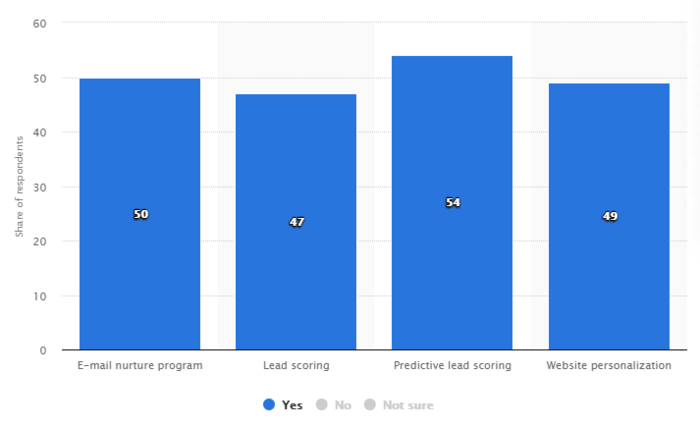
Forty-seven percent of B2B marketers found lead scoring to be effective, with 54 percent pointing to predictive lead scoring effectiveness.
The chances of converting a cold call lead are drastically lower than those of a referral lead.
Using lead scoring, you’re able to arm yourself with a system that tracks and calculates lead scores.
What Are the Pros of Using Lead Scoring?
Now that you understand what lead scoring is, let’s talk about why it’s beneficial to your bottom line.
Less Wasted Time and Money
A business that uses lead scoring learns how to allocate its resources efficiently.
Spending thousands of dollars and hundreds of hours on a marketing campaign that delivers average returns and unclear data is not something most businesses can afford.
Accurate Buyer Personas
Lead scoring is especially useful for businesses selling high-value products and services.
The more complex the decision, the longer your average conversion time from prospect to customer.
By evaluating their behavior throughout the buyer’s journey, you’re able to identify the prospects most likely to convert.
Using that information, you can update your buyer personas and start crafting marketing campaigns focusing on prospects typically converted.
Strengthen Your Prospect Relationships
The deeper your understanding of a buyer’s journey, the more likely it is that you’ll be able to point them toward a conversion.
Imagine for a second that Business XYZ already has a fantastic click-through-rate using paid ads.
Ten percent of impressions lead to a click. That’s great news!
There’s just one problem: Its conversion rate is terrible.
For whatever reason, it can’t consistently attract buyers.
By using lead scoring, Business XYZ can determine what pages and experiences scare away potential customers.
More importantly, it’s able to change and improve those experiences, strengthening its marketing funnel’s weaker elements.
This behavior doesn’t just earn more conversions.
It also helps prospects feel more secure about their purchase and develops the business’ reputation as a customer support specialist.
It becomes known as a business that takes care of its customers at every stage.
By developing a deeper understanding of your customers using lead scoring, you’re able to create unparalleled user experiences.
Simplify the Lead Evaluation Process
Manually, the ability to optimize your marketing and sales efforts with lead scoring identifies and converts the right prospects much easier.
Of course, if you’re looking at automated solutions, you’ll be able to qualify leads using predetermined guidelines quickly.
Metrics for Scoring Your Leads
The actual process of scoring your leads can be a bit intimidating, even if you’re an experienced marketer. To keep this guide accessible, I’ll focus on four key metric classifications to rely on.
Demographics
One of the most basic marketing concepts is the buyer persona, a representation of your ideal customer.
To build this buyer persona and begin determining the appropriate metrics for your lead scoring efforts, you need to begin with their demographic.
Personal information like age is a common starting point, but you’ll likely want to focus on professional information and capacity too.
Ask these questions:
- What characteristics does your ideal customer have?
- How do these characteristics empower them to make a purchase?
- How can you create experiences that appeal to these customers?
If you’re selling a high-value B2B product or service, it’s unlikely that students are your ideal target audience. However, if your lead identifies as an industry professional, they’re much more likely to convert.
Lead scoring helps you organize this information, test your theories and assumptions, and identify the factors contributing to a conversion.
Point of Origin
Break down the buyer’s journey and start with their first point of contact.
If you have a sales background, this process should feel familiar.
When determining which metrics to use, identify the lead’s point of origin.
Look to see where your leads are generated.
Are they on your site because of organic search, or did they click on an ad?
Did they visit your site on mobile or desktop?
As you track the sources of these leads, you’ll find that certain lead channels produce leads that are more likely to convert than others.
You’ll also notice certain combinations have unique conversion rates.
For example, a lead that reached your landing page through a post on social media should have a lower score than an organic search lead that’s visited the pricing section three times.
Different points of origin are given different scores, making it easy to determine both the marketing channel’s overall value and the lead’s individual quality.
Focusing on the source also keeps your sales team informed.
By preparing your sales team with contextual information on the prospect, they can accurately determine the prospect’s knowledge of the business and product or service.
Behavior
A prospect’s point of origin is an important building block when determining their conversion potential, but it’s just the tip of the iceberg.
Analyzing prospect behavior and actions can help you identify the paths that lead to a genuine sale.
Most lead scoring systems use a points system, attributing specific values to particular behaviors.
The beauty of this approach is that you’re able to stress-test your assumptions about your business and determine how impactful a particular behavior is.
For reference, an action is a decision a particular lead makes once they’ve started interacting with your business. These can include:
- visiting a landing page
- subscribing to a newsletter
- requesting a price quote
- signing up for a product demo
- reading blog articles
- asking questions via online chat
If email signup is a massive predictor of conversion, give that a high score and you’re able to focus all of your attention and marketing efforts on prospects that sign up for your newsletter.
If you’re right, your conversion rate rises, and you can continue to optimize.
If you’re wrong, your conversion rate doesn’t rise to meet your goals, you take a closer look at your data and restructure your score allocation.
Either way, your business walks away with a win.
Engagement
Engagement and actions are two separate categories.
Actions track the individual decisions prospects make, like reading a blog post or signing up for a newsletter.
Engagement tracks the timing of those decisions, identifying how much time they spend on a blog post or email.
A general rule of thumb is that the longer a prospect spends consuming your content and interacting with your business, the more likely they are to make a purchase.
Of course, you’ll likely want to set a maximum achievable range to avoid ruining your data.
For example, if a prospect leaves their computer on overnight, that could harm your lead scoring efforts.
Methods for Scoring Your Leads
The methodology for scoring your leads can be broken down into two sections:
- Lead scoring strategy.
- Common practices.
Lead Scoring Strategy
Establishing a clear, baseline process for lead scoring can help your business from a mechanical perspective.
Determine Metrics to Score
Let’s start with the baseline process.
You’ll begin by determining the metrics and variables you want to score.
While it’s easy to focus on highly converting metrics, you also need to determine which metrics convert poorly.
This can help you better understand your market and customers.
Calculate Values
Next, calculate both the value of the metrics and the value of your leads.
Common Practices:
There are two common approaches to calculating the value of a metric:
Conversion rate: This is simple enough to calculate. Divide the number of conversions by the number of leads attained and multiple by 100.
Lead yield: This approach is a bit different.
- It’s a measurement of the total revenue made from conversions.
- Take your revenue and divide it by the number of leads generated.
- This gives you the average value of a particular conversion.
To be clear, there’s no right answer. The method you use depends entirely on your overall business goals and pricing structure.
Making calculations based on conversion rate might be a great idea for B2B SaaS businesses with long lifetime-value customers.
B2C businesses and companies that offer fixed-price products are more likely to find lead yield useful.
After all, the higher the value of an individual sale, the more valuable that lead was.
Compare Values
Now you can compare the value of a particular group of conversions to the average value of all your conversions.
This lets you qualify the performance of a particular metric and determine its importance.
Assign Scores
Based on the performance of a particular metric in relation to the average customer, you can assign that metric a score.
Most organizations use a scale from 1-10, but that’s a personal preference.
You could use a 1-100 scale for increased precision; it’s entirely up to you.
However, be sure to create a rubric or key to keep your scoring system consistent.
Evaluate Leads
You’ve established some metrics and some scores at this point, so let’s start evaluating individual leads.
Here’s an example: Imagine you’ve ranked the accounting industry as a 10-point attribute, a C-level executive as a 5-point job title, and corporate enterprises as 10-point company size.
A lead matching each of those metrics has a total score of 25.
You can now compare that score against your average customer and other leads to determine your leads’ priority. Simple enough, right?
Lead Scoring Tips
Incorporating useful tips and tricks can help you elevate the quality of your lead scoring efforts. Consider a couple of key concepts:
Values metrics accordingly:
For starters, not all metric categories should be valued equally.
A demographic metric doesn’t carry the same weight as a behavior metric.
Signing up for a consultation is a much stronger indicator of interest than a job title is.
Values can be cumulative:
It’s also worth keeping in mind that some of these values are cumulative.
Meaning that while a prospect’s job title is only counted once, all of their actions are considered when calculating the lead score.
Tracking the Success of Lead Scoring
As your lead scoring efforts develop, you’ll notice an increase in both the sheer volume of leads and the complexity of your lead scoring system.
As you interpret your results and look to improve, you’ll encounter two hurdles:
- optimizing for scale,
- optimizing for effectiveness.
Optimizing for scale has some simple solutions.
If you’re on a budget, lead scoring manually with spreadsheets and formulas is perfectly reasonable.
However, if you’re willing to pay for the best, some fantastic tools are available to automate this entire process for you.
The right tool can identify patterns in your data that you may have missed.
This is where predictive lead scoring comes into play.
These algorithms can predict which prospects are qualified and worth engaging with.
They may not be cheap, but if your business is serious about elevating your lead quality, automated tools can be a powerful addition to your toolkit.
To optimize for effectiveness, the most important thing you can do is to make the ongoing evaluation of your lead scoring model a vital, regular occurrence.
Continue to improve on the defined mechanisms and make meaningful changes to your scoring model when needed.
Like any marketing campaign, this technique can always be improved upon.
Conclusion
Every business on the planet wants qualified leads. With less wasted time and more conversions, what’s not to like?
The problem is that with so many different lead generators and traffic sources, identifying the key components of a strong prospect can be challenging.
Lead scoring exists as a tool to clarify and optimize the lead generation process in a logical way, so any small business owner can start implementing it today.
With the right lead scoring model in place, your business can increase both the quality of your leads and your users’ experiences.
Which metrics do you think matter the most in lead scoring? Let me know in the comments below!
The post How to Properly Leverage Lead Scoring to Make More Money appeared first on Neil Patel.
Source: neilpatel.com

4 Noteworthy Lead Conversion Trends: Research and Charts
Considerable shifts in the way businesses operate are leading marketers to re-examine the way they approach lead generation. Building meaningful connections with buyers is now a critical part of generating and nurturing leads that convert.

With a myriad of marketing tactics at our disposal, cool marketing technology that can track performance and automate campaigns, and countless strategies and processes to optimize marketing, sometimes we can’t see the forest for the trees.
For many marketers, we think in terms of leads (impersonal, just a number) and not relationships (personal and real). Sometimes we miss the obvious: successful marketers build relationships.
We must remember that a lead is a real person, and to be a successful marketer, we need to build a relationship with prospects.
A new research study by Ascend2 is Building Relationships for Lead Conversion. The survey was fielded the week of June 8, 2020, and a total of 263 marketing professionals participated.
Considerable shifts in the way businesses operate are leading marketers to re-examine the way they approach lead generation.
Building meaningful connections with buyers is now a critical part of generating and nurturing leads that convert.
How are marketers building relationships for maximum lead generation and conversion?
Here are a few noteworthy findings from the Asend2 research study, as well as insight from marketing professionals.
1. Marketers are struggling to generate enough relationships as they shift marketing efforts to more digital-forward initiatives.
Half (50%) of marketing professionals report struggling to generate enough relationships as they shift marketing efforts to more digital-forward initiatives.
Building meaningful relationships with new and existing leads requires appropriate allocation of budget and resources, which 42% of marketers report is a top challenge for lead generation success.
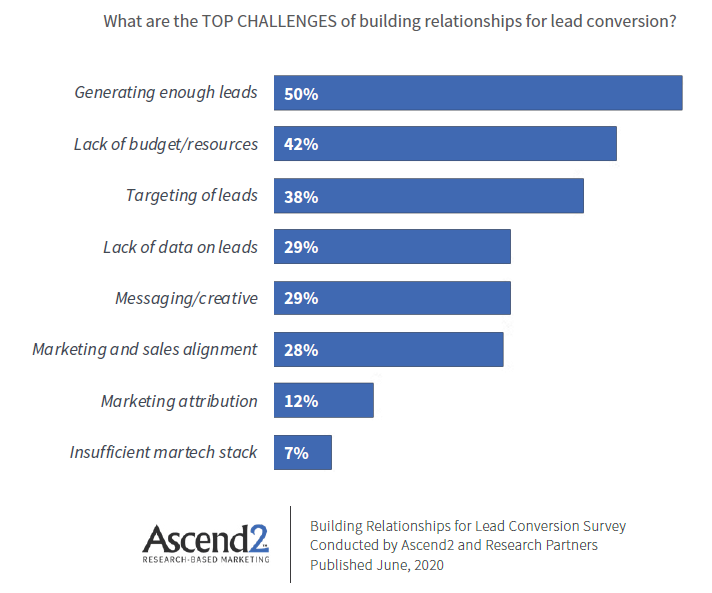
Top Challenges of Building Relationships for Lead Conversion

Jeff Haws, Senior Marketing Manager, MessageGears
How can you generate stronger relationships?
An important first step is to know more about your ideal audience and give them something of value based on their needs.
Jeff Haws, Senior Marketing Manager at MessageGears, explains, “one of the keys to effectively building relationships is to identify your ideal audience and tailor your messaging and targeting to them.
Eliminate as much noise as possible by developing a laser focus on those people who will benefit the most from your unique value, and make sure marketing and sales are on the same page about who those people are.”
2. Social media, email marketing, and website/SEO lead the way as the most effective channels for building relationships for lead conversion.
Social media (58%), email marketing (49%), and website/SEO (44%) lead the way as the most effective channels for building relationships for lead conversion.
Developing an overall strategy of how all of your marketing tactics connect and work together as part of the customer journey is an important step to building stronger relationships.
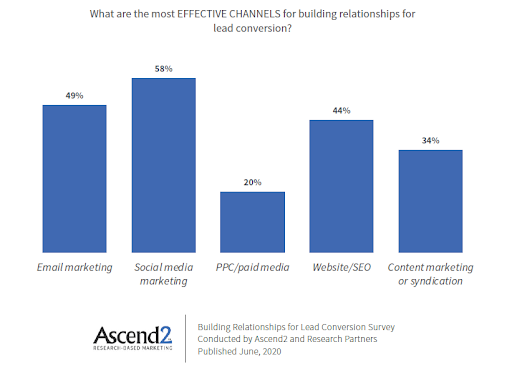
Most Effective Channels for Lead Conversion

Mike Grehan, CMO & Managing Director, Acronym
It is helpful to consider the customer journey when looking at channels.
The customer journey is the complete sum of experiences that customers go through when interacting with your company and brand. Where does the journey start?
Where does the journey end?
According to Mike Grehan, CMO & Managing Director at Acronym, “the customer journey most frequently starts with search and very often ends with the search.
Many brands are loaded with content for the transactional part but seem to lack content for the early stage.
This is why SEO is still so important. Well-crafted and optimized content for answering questions and solving problems creates brand affinity much earlier instead of trying to battle for attention at the checkout.”
3. Content in video format is most effective at building relationships to generate leads that convert.
When building loyalty and trust with an audience to build relationships, creating and distributing content is essential.
Forty-one percent (41%) of marketing professionals agree that content in video format is most effective at building relationships to generate leads that convert.
Educational content types such as webinars and original research are also effective, according to 36% of those surveyed.
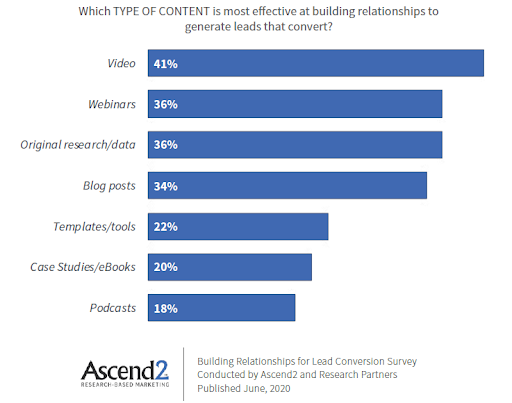
Most Effective Content Types for Lead Conversion

Rameez Ghayas Usmani, Digital Marketing Executive, PureVPN
There are many format options to consider.
Rameez Ghayas Usmani, Digital Marketing Executive at PureVPN explains, “written content is undoubtedly useful, but today, visual materials such as infographics or videos are outperforming for marketing and relationship building purposes, and they will continue to be one of the most frequently used marketing strategies for 2020.”
Dan Bailey, President at WikiLawn shares another content strategy. “Our lead generation strategies now focus on providing free, high-value content as part of a sales funnel.
We create articles, videos, and other content, and put that content behind a landing page where the user has to enter their email address to get access.
We run Facebook ads to direct people to this landing page, and once they’re on our list, we continue to build a relationship with them.”
4. Lead generation budgets are being redirected to social media and website/SEO improvement.
Many marketing dollars previously allocated to in-person events and direct marketing efforts are being redirected.
Over half of marketers say that much of their lead generation budgets will be attached to social media (54%) and website or SEO improvement (51%).
Another 44% report that email or automation will account for a significant amount of budget in the year ahead.
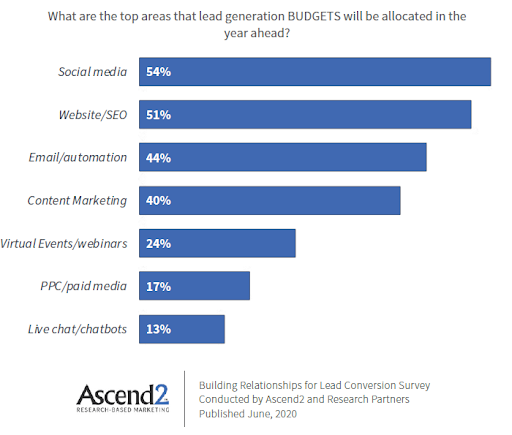
How Lead Generation Budgets Will Be Allocated
Building relationships is especially challenging right now with the cancellation of live events and employees working remotely. How can you replace that face-to-face experience?

Joaquim Miro, Chief Growth Officer, Hoppin’ World
Joaquim Miro, Chief Growth Officer at Hoppin’ World, said that “being able to be face-to-face with a prospect is always the best way to convert them into a client.
Therefore, looking for options that allow this to happen remotely is an important next step.”
Use technology to do virtually what you would do in person: train, give guided tours, have Q&A sessions, and more.
Be creative to build a relationship with your prospects and don’t let challenges stand in your way.
How are companies reallocating their budget?
Quincy Smith, Founder of ESL Authority, reveals how his organization is shifting budgets. “We’ve reallocated our in-person budget (previously used for job fairs, campus visits, etc) into online retargeting,” said Quincy.
He continued, “we’ve always had significant organic traffic, but are only now attempting to retarget it given that we cannot do much in person.
So far it’s very much trial and error, we’ve done paid ads before but not for this purpose so we’re still testing messaging, platforms, and imagery.”

Sunny Ashley, CEO, Autoshipinvoice
Sunny Ashley, CEO at Autoshipinvoice, has moved the bulk of its marketing budget and efforts to SEO and content marketing.
Sunny explains, “there are 3 main reasons why:
- 1. SEO can be done relatively cheaply, for the cost of time and labor in writing content.
- 2. SEO best practices are ever-evolving; this means there is always something new to learn. Since marketing now has more time and flexibility without the need to plan for physical events, now is the time to try new SEO techniques and experiments.
- 3. SEO takes time. If direct marketing methods aren’t as effective right now while our customers have less budget, now is a great time to build a catalog of content that will grow in influence over the coming months. As business begins to return closer to normal, our SEO efforts will hopefully be peaking.”
Joaquim, Quincy, and Sunny are all finding ways to understand their target audience, reallocate the budget based on what is working, and focusing on building relationships that convert.
Conclusion
Building relationships takes time. Marketers need to listen to their prospects, analyze the data, test new tactics and strategies, optimize existing tactics and strategies, and be flexible and agile in what they do to build relationships that convert.
Here is a link where you can download the entire report, Building Relationships for Lead Conversion.
The post 4 Noteworthy Lead Conversion Trends: Research and Charts appeared first on Content Marketing Consulting and Social Media Strategy.
Source: convinceandconvert.com