
Tag Archives for " blogger "

10 Blogging ‘Firsts’ to Celebrate (From Launch Onwards)
Do you ever look at other bloggers and feel you’ll never catch up to where they are?
Perhaps they have hundreds – or thousands, or even hundreds of thousands – of subscribers to their email newsletter. Maybe they’re making a full-time living blogging, or even employing a whole team of staff.
If you’re still in the early stages of blogging, it can seem like no matter how hard you work you’re not really achieving anything at all.
But you are.
Every little step you take brings you closer to your goals. And today I want you to think about the milestones you’ve already achieved (or are close to achieving).
For each milestone, I’ll share links to further help and guidance on ProBlogger and a note on where you can get help with that particular milestone in:
- our free course, Ultimate Guide to Starting a Blog
- our premium course, 31 Days to Build a Better Blog.
Before we begin, it’s important to remember that you don’t have to hit these milestones in order. There’s no right way to reach them, and you may want to tackle ‘writing a guest post’ long before you get your first comment on your blog.
Milestone #1: Creating Your Blog Itself
This is a huge milestone, and one many would-be bloggers never actually achieve. Launching your blog is a real achievement, so celebrate it.
You may not have written any posts yet. Your blog might not look quite the way you want it to. And you may feel confused or a bit lost when you stare at the WordPress dashboard. But your blog is online, and that’s what matters. You can keep learning and tweaking as you go forward.
Further Reading:
Which is the Best Blog Hosting Solution?
When DIY Blogging isn’t for You: 5 Alternatives to Self-Hosted WordPress
Take the Course:
Completing our free course, Ultimate Guide to Starting Your Blog will help you get ready to launch. But Step 7 in particular will guide you through the process of getting your blog up and running.
Milestone #2: Publishing Your First Post
You might well have written your first post before you launch your blog. But whether you did or not, publishing your very first blog post is always something to celebrate.
Hitting ‘Publish’ on that first piece might feel daunting (or even terrifying), but from here onwards it will get easier.
One post might feel very insignificant. But all bloggers started with zero posts. And that one post could be the start of a major project or even a whole new career.
Further Reading:
5 Things to Do after You Hit ‘Publish’ on Your Next Blog Post
What You Need to Have Ready Before You Launch Your Blog (podcast)
Take the Course:
Hopefully, post #1 will be the first of many. To learn more about the content creation process, check out Day 7 of 31 Days to Build a Better Blog, which covers the publishing process.
Milestone #3: Receiving Your First Comment
The first comment you receive on your blog is a real achievement. Someone isn’t just reading. They’re taking the time to respond.
If you share your blog with friends and family, hopefully at least one of them will leave a comment. But you may want to look for other new bloggers (perhaps in a group such as the ProBlogger Community), and make a point of commenting on their posts. Hopefully, they’ll return the favour and comment on yours.
Further Reading:
Five Ways to Encourage Readers to Comment More Often on Your Posts
Take the Course:
To learn how to create content readers will pay attention to (and hopefully comment on), take a look at Day 16: Get Your Reader’s Attention in 31 Days to Build a Better Blog.
Milestone #4: Getting Your First Email Subscriber
Just getting an email list set up can be a challenge for many new bloggers. So if you’ve managed that, congratulations. Hopefully, it won’t be long before you have your very first subscriber.
One subscriber might seem like a tiny drop in a very large ocean. But if you can persuade one person to sign up for your email list, you can persuade more.
Soon you’ll be able to celebrate 10 subscribers, and then 100.
Further Reading:
6 Reasons Why Your Blog Needs an Email Newsletter
How I Increased the Subscriber Rate on My Blogs by 80 – 1000% (podcast)
Take the Course:
For help with setting up your email list, check out the bonus module to the Ultimate Start a Blog Course: Your Blog’s Email List. (You’ll receive this bonus module at the end of the course once you’ve worked through the launch process.)
Milestone #5: Sending Your First Email Newsletter
You’ve got your email list set up, and people have subscribed and received your welcome message. Now it’s time to send out your very first email newsletter.
If you’re writing separate content for your email newsletter (rather than just sending out your blog posts), it can feel like a waste of time creating newsletters for the three people on your email list – especially if they’re your mum, dad and big sister. But all the newsletters you write will be archived by your mailing list provider, so you can link to them from future newsletters or even your blog.
Further Reading:
3 Examples of Content You Can Include in Your Email Newsletter
7 Common Newsletter Problems Solved
Take the Course:
For help with writing and sending your first email newsletter, take a look at Day 19: Newsletter of 31 Days to Build a Better Blog.
Milestone #6: Getting Your First Tweet or Share
When someone shares one of your posts on Twitter or Facebook, their followers or friends might click through to read it – potentially bringing you lots of new readers.
Even if you don’t get a single new reader from your first tweet/share, it’s still a lovely moment. Someone cared about your blog post enough to want to tell everyone they know about it.
Most bloggers (even those who get a lot of tweets) think it’s nice to say “Thanks” to people who share their posts. This can be a great way to build a relationship with your readers, who may be well on their way to becoming firm fans.
Further Reading:
How to Get Top Bloggers to Share Your Content and Boost Your Traffic
The Step-by-Step Method to Making Your Content Shareable on Social Media
Take the Course:
The bonus module ‘Your Blog’s Social Media’ (part of The Ultimate Guide to Starting a Blog course) helps you get set up with Facebook, Twitter and so on.
Milestone #7: Reading Your First Email from a Reader
Once you’ve been blogging for a few weeks or months, you might be quite used to getting comments, tweets, shares and so on.
But your first actual email from a reader, though can feel very special. It might be a reply to your newsletter, perhaps saying, “This is just what I needed to read. Thank you!” Or it might come as a message through your contact page, with a reader telling you how much they enjoy your blog.
Save any emails like this somewhere safe. You might want to give them a particular tag in Gmail, or even copy them into a separate file. On the days when blogging feels like a lot of hard work for little reward, re-read them. They might make all the difference.
Further Reading:
How to Create an Efficient Contact Page That Boosts Your Productivity
Optimize the Most Underutilized Page of Your Blog
Take the Course:
Getting emails from readers is lovely. But emailing your readers individually can be a great way to grow your blog in the early weeks and months. For help with this, check out Day 25: Personally Email Your Readers in the 31 Days to Build a Better Blog course.
Milestone #8: Writing Your First Forum or Group Post
Not all bloggers want to join forums or groups. But if you’re willing to give them a try they can be a brilliant source of help and support – no matter what stage you’re at.
Writing your first post on a blogging-related forum or in a blogging-related Facebook group can feel daunting. But simply ‘lurking’ and reading other people’s posts won’t be nearly so helpful to you.
Many people begin by writing an introduction post, which can be a good way to start. But you’ll get a better response from starting a new topic where you ask a question.
That might be a question relating to something you’re struggling with (“I can’t seem to get Google Analytics working and I don’t know what I’m doing wrong”). Or it could be an open-ended question that engages others (e.g. “What’s the most important thing you’ve learned from blogging in the past six months?”)
If you’d like to be part of a friendly and supportive Facebook group for bloggers, check out the ProBlogger Community.
Further Reading:
5 Ways You Can Use Facebook Groups to Benefit Your Blog
How LinkedIn Groups Can Explode Your Blog Traffic
Take the Course:
For more help with joining groups and networking, check out Day 11: Engage and Network in the 31 Days to Build a Better Blog course.
Milestone #9: Writing Your First Guest Post
This is a milestone some bloggers feel they’re not ready for. But the truth is you’re probably more ready than you think.
Writing your first guest post for another blog is a great way to get your name out there and to bring in more readers.
Many large blogs accept guest posts, and they won’t normally care how big or well-known your own blog is. They just care about how well you can write.
Guest posting is a huge topic we’ve covered in-depth on ProBlogger (see the Further Reading below). But the most important thing to remember is the worst anyone can say is “No”.
Even if you reach out with a post and it’s rejected, you can simply try another blog.
Further Reading:
7 Powerful Non-SEO Reasons to Try Guest Posting
How to Craft an Outstanding Guest Post
Take the Course:
Day 21: Guest Posting in 31 Days to Build a Better Blog covers what you need to know to have a great chance of success with your guest posts.
Milestone #10: Making Your First Dollar
Not all bloggers want to make money. But if you do, making your very first dollar is a crucial milestone.
You might think one dollar is hardly worth celebrating. But that one dollar shows it’s possible to make money from your blog. If you can make one dollar, you can make ten. If you can make ten, you can make a hundred. And so on.
That first dollar might come from any number of means. It could be advertising revenue or an affiliate commission.
It might be a donation, or someone supporting you on Patreon. It might be your first sale (or a fraction of it) after you’ve launched a product.
However you make that dollar, it’s well worth celebrating.
Further Reading:
The Full Blog Monetization Menu – 60+ Ways to Make Money With Your Blog
Take the Course:
For lots of help on making money, check out Day 14: When and How to Make Money Blogging in 31 Days to Build a Better Blog.
All these ‘firsts’ are ones you could reach quite early on in the life of your blog – potentially in the first few weeks. But if it’s taken you longer than that, please don’t feel there’s anything wrong with your blog or your approach to blogging. Gradual, steady progress is still progress.
Once you’ve been blogging for a full year, you might want to see how many of these milestones you’ve managed to achieve.
You might also want to evaluate how that first year went for you.
At A Glance:
Here’s a quick recap of all the “firsts” we’ve covered:
- Milestone #1: Creating Your Blog Itself
- Milestone #2: Publishing Your First Post
- Milestone #3: Receiving Your First Comment
- Milestone #4: Getting Your First Email Subscriber
- Milestone #5: Sending Your First Email Newsletter
- Milestone #6: Getting Your First Tweet or Share
- Milestone #7: Reading Your First Email from a Reader
- Milestone #8: Writing Your First Forum or Group Post
- Milestone #9: Writing Your First Guest Post
- Milestone #10: Making Your First Dollar
Which of these have you already achieved?
Which one are you working towards next?
How will you go about it (especially if it’s something you can only influence or encourage rather than control)?
Leave a comment below to tell us.
Photo credit: Social Cut
The post 10 Blogging ‘Firsts’ to Celebrate (From Launch Onwards) appeared first on ProBlogger.


Source: feeds.feedblitz.com

Should Your Blog Have a Static Homepage (Whatever That Means)?
Open up a new tab in your browser and go to the homepage of your blog. What do you see? There’s a good chance you see your most recent posts. This is, after all, what most WordPress themes default to do. And if you’ve been blogging for a long time, it might be how you expect a blog’s homepage to look.

For some bloggers, it’s a perfectly good choice. But for others, a list of posts isn’t what they want first-time readers to see.
Many large blogs use a static homepage to quickly introduce who they are and what they do and to point readers towards specific actions (which might well include reading their blog).
Here’s the difference:
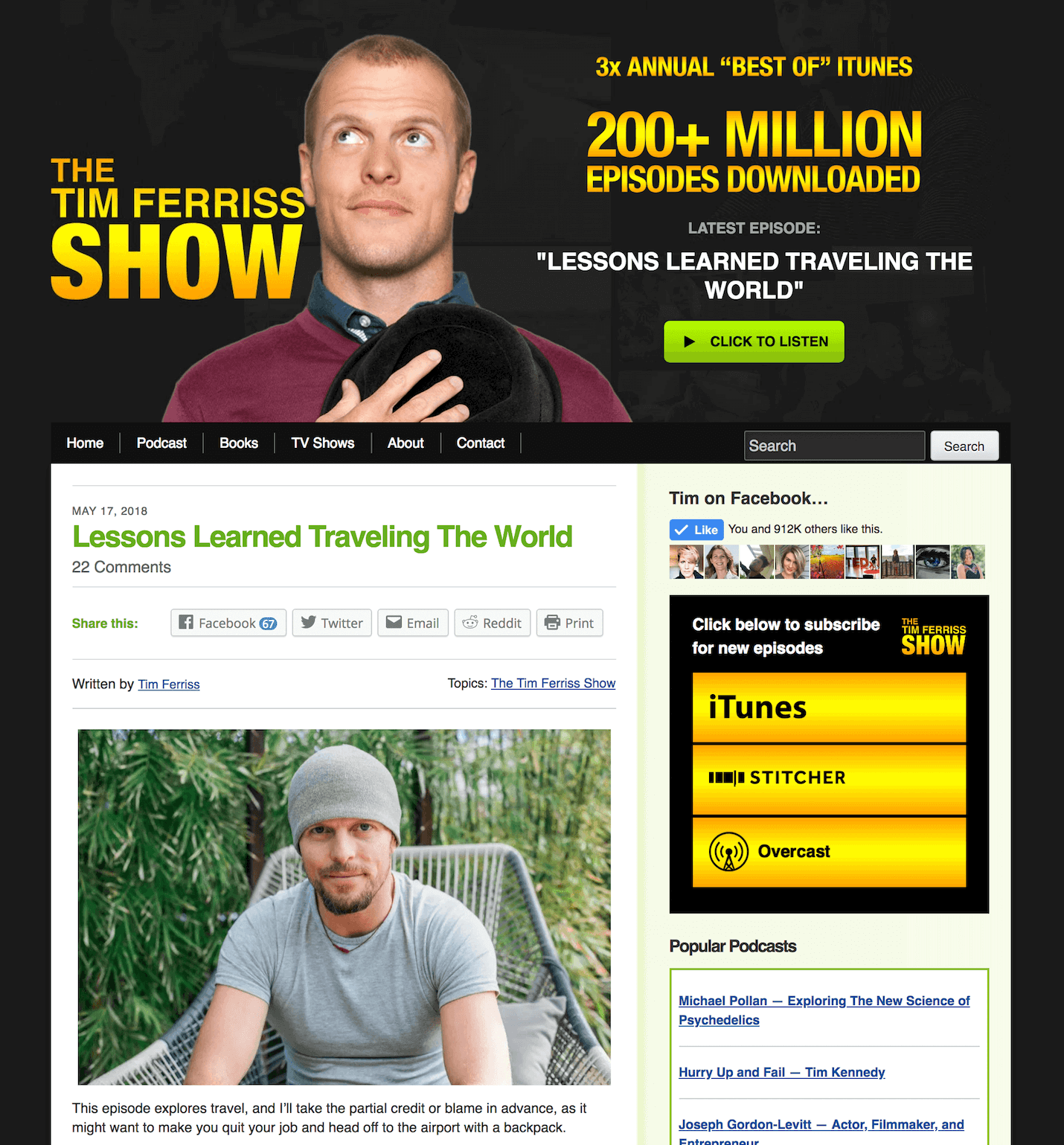
Tim Ferriss’s homepage is a classic blog one, with the most recent post at the top:
Copyblogger’s homepage, by contrast, is a static one:

Of course, many blogs with static homepages list their most recent posts. For instance, on ProBlogger we have our latest posts and podcasts listed on the homepage:
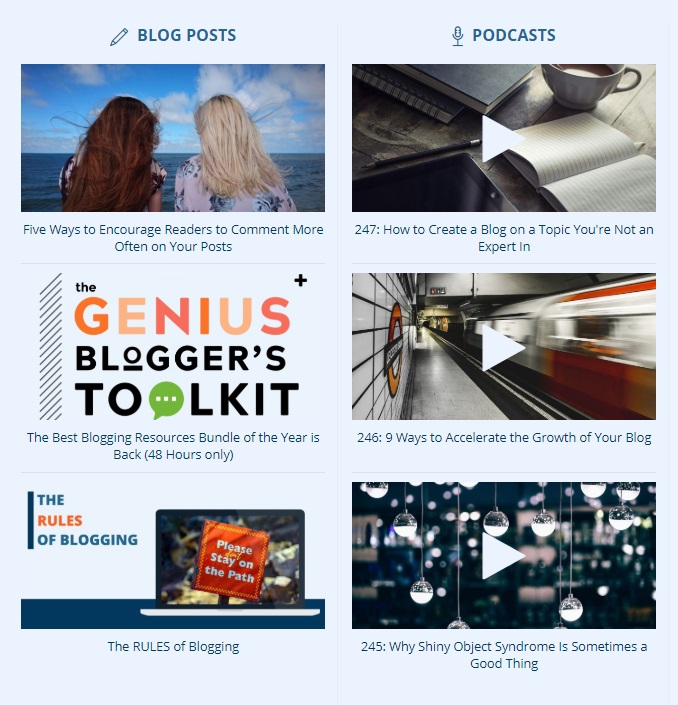
But we also have lots of other elements, such as our “I need help to…” section that links to our different portals, all designed to meet different readers’ needs.
Could a Static Homepage Be the Next Step for Your Blog?
In the podcast episode on 3 Key Things Bloggers Do to Grow Their Blogs into Businesses, I talked about how to blog homepages have evolved over the years – from the long list of full posts that was standard when I started in 2002, to the portal-like static homepages that are becoming increasingly common today.
As John Stevens puts it in his post The 9 Conversion Habits of the World’s Most Successful Bloggers:
Create a homepage instead of directing users straight to your latest blog posts. This gives you an opportunity to do so much more than just make them read your latest content.
So should you consider shifting your home page from a classic list of blog posts to a static page?
Absolutely.
But first, here’s something to think about.
How Does Your Blog Make Money?
If you make money from advertising, it makes sense to design your blog to maximize page views. Having a list of blog posts as the front page might be working perfectly well for you here.
And you may not have much else you want to point readers towards, anyway.
But if you make money from selling products or services, a static homepage would likely be a better fit for you. It lets you get them right in front of new readers, rather than having them tucked away on your sidebar.
If you use your blog in a slightly different way – as a showcase for your writing, perhaps, or as a way to build recognition within your industry – then either type of homepage can work just fine. You might want to look at what people with similar blogs are doing.
How to Create a Static Homepage
The good news is that (technically speaking), it’s easy to set up a static homepage on any WordPress blog.
Here’s what you need to do.
Create Your Homepage Itself
- #1: Log in to your WordPress dashboard, and click “Add Page”.
- #2: Create a new page with whatever content you want there. (We’ll come to what you might include in a moment.)
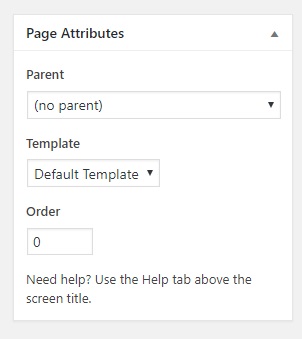
- #3: (Optional) Remove the sidebar(s) from your new page. Find the Page Attributes box (probably on the right-hand side of your screen), and under ‘Template’ select a ‘No sidebars’ or ‘Full width’ option. (This is available in most themes.)
It’s up to you what title you choose for your page. “Welcome” or “Home” can work fine, or you can just leave it off if you don’t want a title on your homepage. (You can still publish the page without a title.)
Set Your New Page as Your Homepage
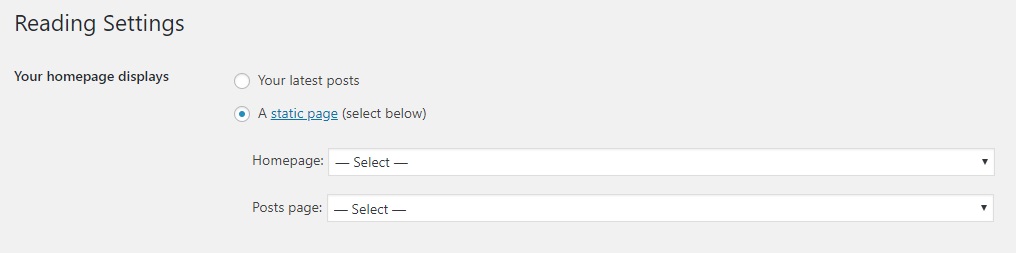
- #1: Go to Settings → Reading. Under “Your Homepage Displays”, select “A static page”.
- #2: In the “Homepage” drop-down, select the new page.
- #3: Click the blue “Save Changes” button at the bottom of the page.
Now, when you visit your blog’s homepage, you should see your new page there rather than your latest blog posts.
You can easily toggle it back if you want to just test it out for now. Just change the “Your Homepage Displays” setting to “Your latest posts”.
What Should You Include On a Static Homepage?
It’s entirely up to you what you put on your homepage. However, most bloggers have most (if not all) of the following:
- #1: A mission statement or value statement, making it clear what readers can expect from the blog, or from you.
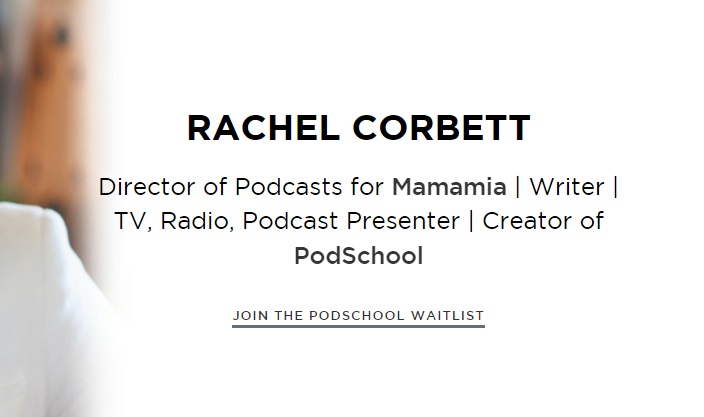
For instance, Rachel Corbett’s personal blog describes her on the homepage:
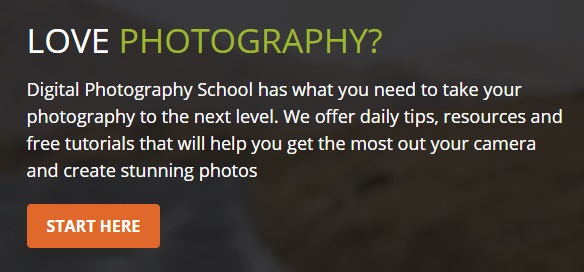
On Digital Photography School’s homepage, we have:
- #2: A newsletter signup button or form. Many blogs feature this prominently on their homepage, as getting new visitors onto your email list is a great way to make sure you can stay in touch.
Here on ProBlogger, we have an orange “Subscribe to ProbloggerPlus” button near the top of our homepage, and a signup form at the bottom.

- #3: Links to your most recent blog posts. Many static homepages include the title and featured image from the post, as we do on ProBlogger.
Some bloggers also include excerpts from posts. But if you do this, be careful your homepage doesn’t end up looking cluttered. Brooke from Her Packing List keeps her recent posts (with excerpts) section looking clean by including only three of her latest posts in a clearly defined space on a contrasting background.
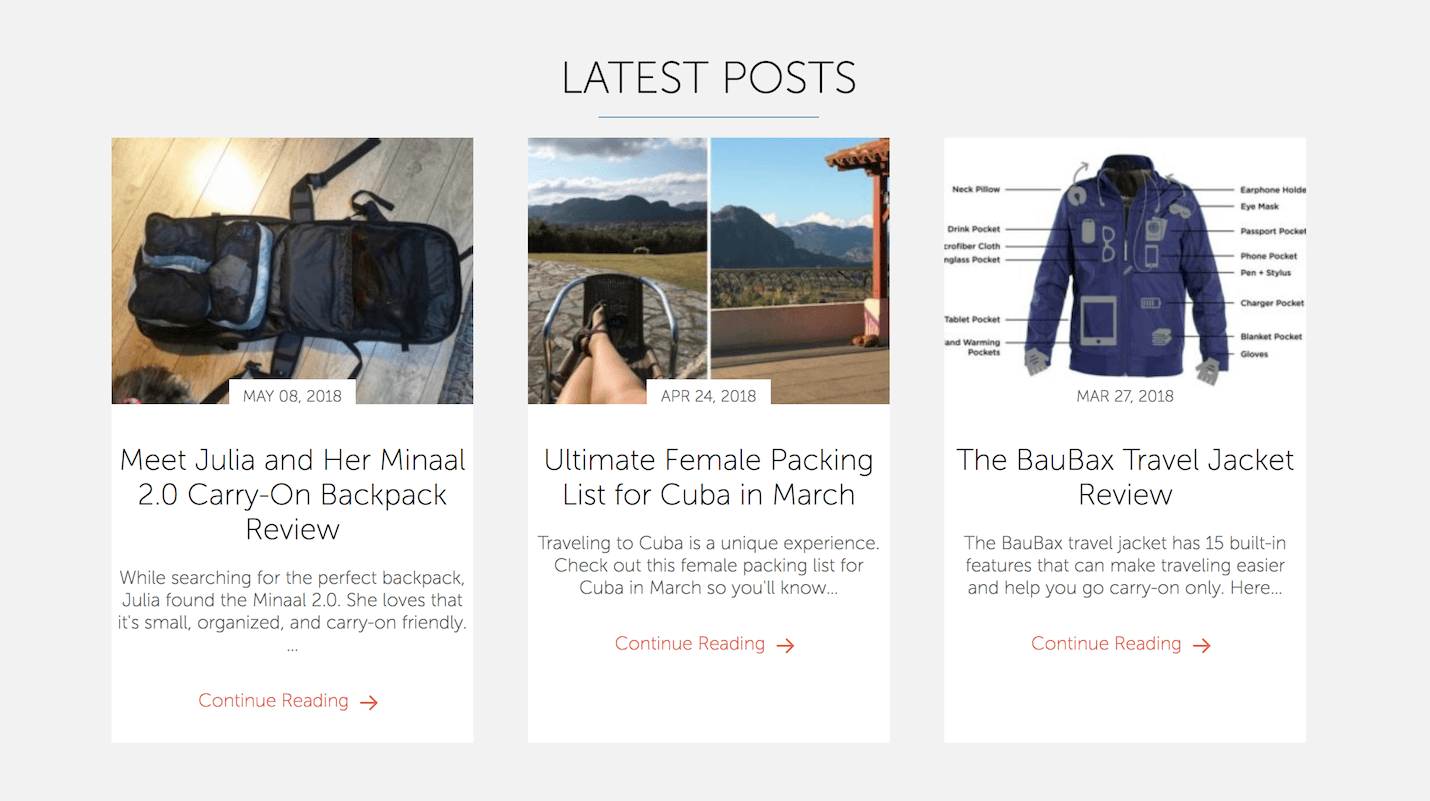
#4: A link to your blog. (You can include this whether or not you included your latest posts.) This might well be an image or button to click on. On ProBlogger, we have “View All Posts” beneath the list of our three most recent posts.

- #5: A link to a “Start Here” page, or potentially to several starting points. Large, long-running blogs often include these to help new readers find their feet quickly.
On Planning With Kids, for instance, Nicole Avery has this section on her homepage.
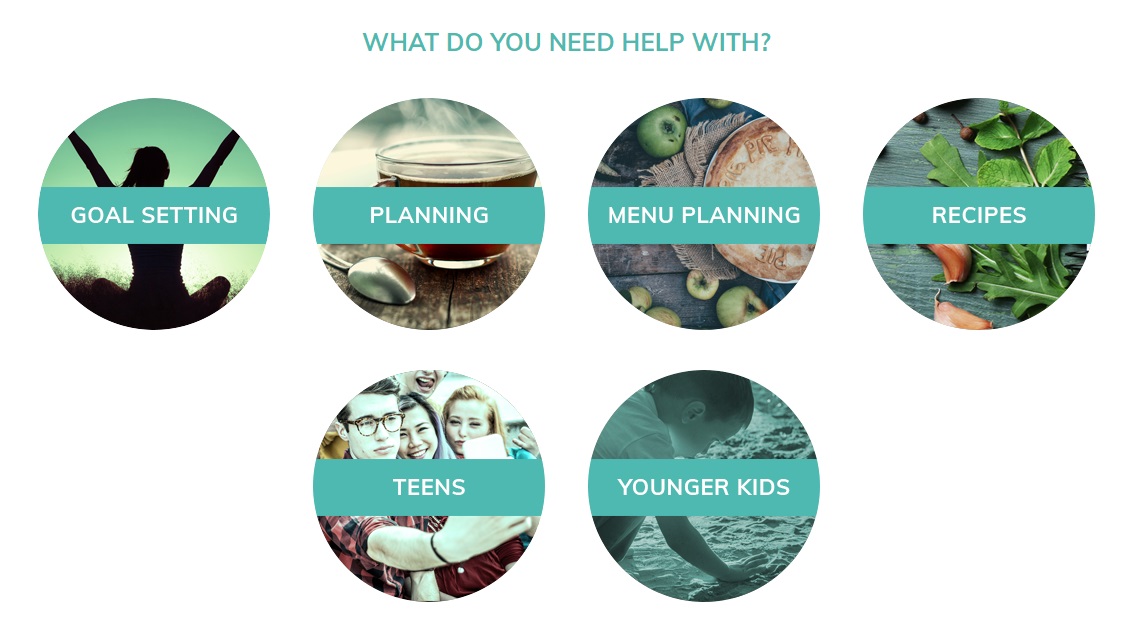
As I said, you don’t need to include all these elements. But each of them is worth carefully considering.
How to Make Your Static Homepage Look Great
WordPress’s default themes tend to be set up for classic blog homepages. So if you’re using the theme that came pre-installed on your blog (or even a different free theme), you may want to consider investing in a premium theme that lets you include dynamic content, such as a list of recent blog posts.
This type of theme will give you far more control over your homepage, and a great-looking professional design too.
We recommend (and are affiliates of) Thrive Themes and StudioPress, which means we receive a commission if you purchase via our links below.
One we use extensively is Thrive Architect, a page builder by Thrive Themes you can use to design your whole site, your sales pages and other landing pages.
And it works in conjunction with Thrive’s conversion-focused WordPress themes or any WordPress theme of your choice.
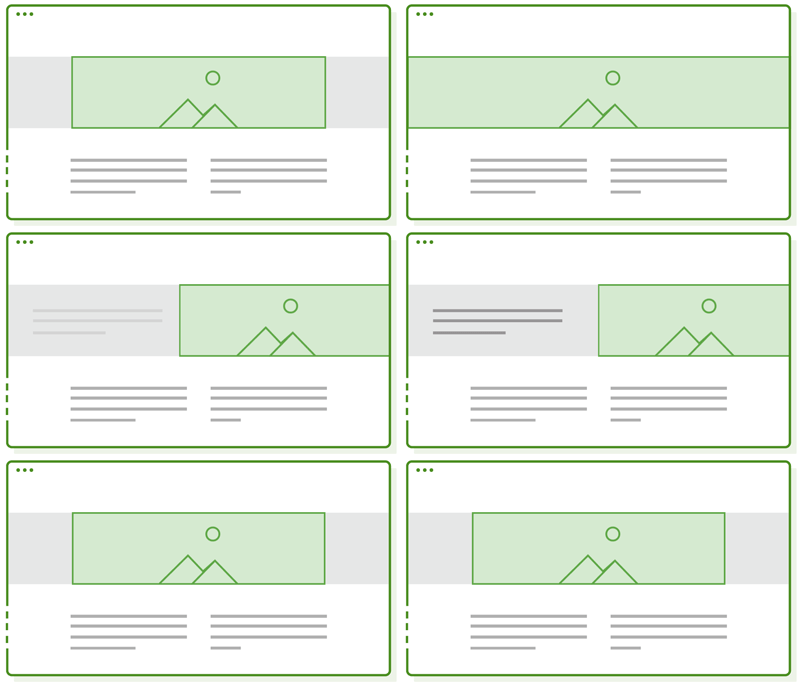
It’s especially good for homepage design with its full-width and vertical split layout options.
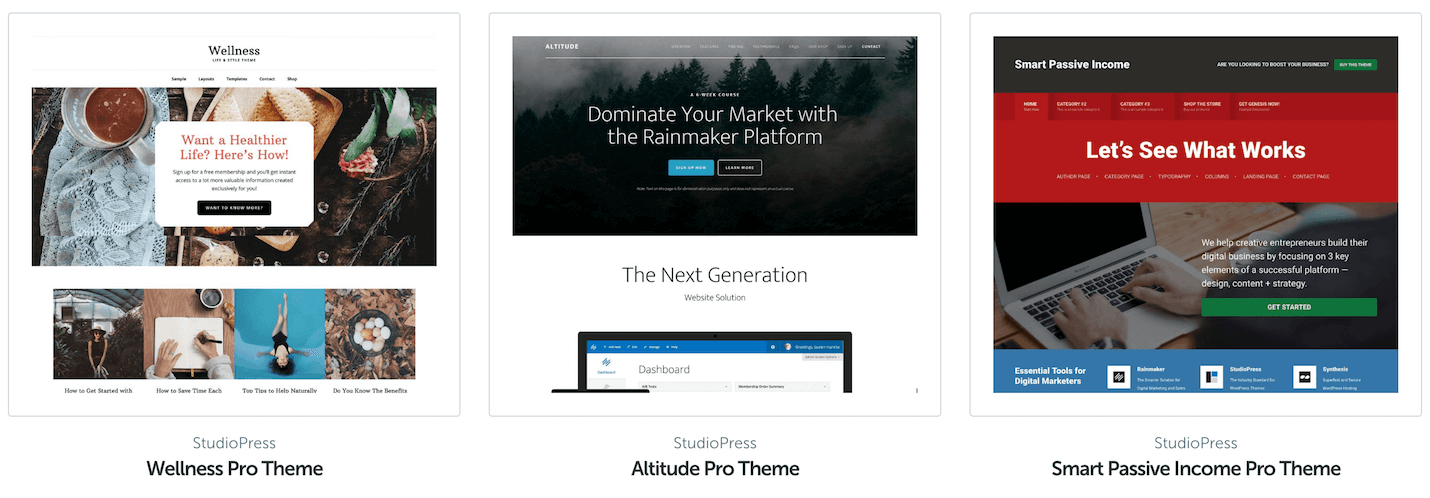
Another good static homepage solution is the themes by StudioPress (our whole team has used their themes at one point). These are specifically designed for different niches and business types. Here are a few examples.
You might want to look at other people’s static homepages for inspiration. (StudioPress has a great Showcase gallery for that.) Which ones look attractive and engaging, and why?
But don’t pack your homepage with too many different options. Focus on the things readers will most likely want to do (e.g. read some of your best posts), and the things you want them to do (e.g. find your email list).
Which Type of Homepage Would Be Right for Your Blog?
If you blog as a hobby or your priority is driving page views, it may be worth sticking with the default blog homepage. (Some bloggers also feel this is a more “authentic” approach, which may or may not be important for your target audience.)
But if you make money selling products or services, it’s probably worth switching to a static homepage. This allows you to carefully direct readers’ experiences from the moment they land on your site.
You may already have a static homepage in place. If you do, take a few minutes to review it. Make sure the information there is fully up to date, and that you’re using the page to carefully guide readers to the most important parts of your site.
Are you thinking of changing your homepage? Or are you confident that what you already have is right for you? Share your thoughts in the comments below.
Image credit: George Coletrain
The post Should Your Blog Have a Static Homepage (Whatever That Means)? appeared first on ProBlogger.

Source: feeds.feedblitz.com

247: How to Create a Blog on a Topic You’re Not an Expert In
Can you start a new blog when you’re not an expert on the topic you’ll be writing about? Of course you can. You can blog about any topic you like. But should you blog about a topic you don’t have any expertise in?

I think it’s okay to start a blog on a topic you don’t know a lot about. I certainly wasn’t an expert when I started my blogs. I had some experience, but I was far from being an expert. I’m not sure I even consider myself an expert now.
Part of the success I’ve had with my blogs is due to the factI wasn’t an expert. Experts are great, but they sometimes come across as inaccessible or unrelatable.
And not being an expert gave my blogs a sense of momentum and excitement. I was actively learning, growing, improving, and sharing with my readers.
Here are a few tips to help you get started with your new blog and topic:
- Be ethical and transparent. Be upfront about who you are, how much experience you have, and why you’re blogging.
- Be careful about the content you post. Avoid teaching or giving advice beyond what you know.
- Actively pursue learning. You may not be an expert yet, but your growth helps people connect with you and your blog.
What kind of content should you create if you’re not an expert? What interests you about the topic? What grabs your attention about it?
Here are some content sources:
- Personal stories
- Case studies
- Interviews
- Guest content
- News items
- Curated content
- Research results
- Answers to discussion questions
Links and Resources for How to Create a Blog on a Topic You’re Not an Expert In:

Further Listening
- How to Build a Blogging Business Through Interviewing Others with Mike Stelzner
- How to Create a Link Post [Challenge]
- How to Use Quotes in Your Blog Content Legally and Ethically
- How to Use Embedded Content on Your Blog [Challenge]

Courses
Join our Facebook group

Transcript
Hey there, welcome to episode 247 of the ProBlogger podcast.
My name’s Darren Rowse and I’m the blogger behind problogger.com, a blog, podcast, event, job board, series of ebooks, and courses all designed to help you to grow an amazing blog that changes the world in some way, but also hopefully, is profitable for you.
You can learn more about what we do at ProBlogger over at problogger.com.
Now, in today’s episode, I want to talk about something that I get asked quite often about from people thinking about starting a new blog, but also from some who have already started who have doubts and insecurities around this kind of topic.
It’s something that I know there’s probably a variety of opinions on, but which I have a fairly strong one on as well. The question that I get asked is, “Should you start a blog on a topic that you don’t have expertise in?”
I want to say right upfront, I think you could or even should. I think there’s definitely a case for it, and in this episode, I want to tell you why, but I also want to, more importantly, give you some tips on how to do that, because this is something I know a lot of people do struggle with.
“I’ve got this blog on a topic, I’m not really sure, I feel secure enough in this topic,” you have these doubts that nag at you. I want to give you some ideas of the type of content that you can create if you don’t yet feel like you’re enough of an expert in that topic.
Previously On
You can find today’s show notes with a full transcription of today’s show at problogger.com/podcast/247.
Before I get into today’s show, I just want to say thank you because I have received some wonderful emails over the last few days from readers, some lovely messages on Twitter particularly.
I’ve been trying a few new things on Twitter recently, just giving you a little bit more advice on a more personal self-development level and I’ve loved the conversation that’s come from those.
I’ve had some beautiful little reviews coming on iTunes. I had carolinaprincess843 from US iTunes, “I love listening to Darren on my way to work, he puts things in a way that is easy to understand.” Thank You Carolina princess.
Crumbsanddirtydishes from the UK left a little review on the 30th of April, “A brilliant podcast offering practical and actionable tips. Darren is so insightful and provides so much value for anyone looking to start, grow, or develop their blog. A must-listen for all bloggers.” Thank you for that crumb-sand-dirty-dishes. I love these names.
Michael Cowell said, “Great to listen to someone so passionate, honest, and knowledgeable about their profession. I’ve recommended this podcast to so many people. I look forward to every new episode.” Thank you, Michael and I do appreciate you passing it on.
I just wanted to start off by saying thank you, I’m very grateful for you as listeners of this podcast and I look forward to powering on, as we go towards episode 250 and beyond. With that said, let’s get into today’s show.
Click ► To expand to view the full transcript
Compress to smaller transcript view
Full Transcript
Can you or perhaps more accurately should you have a blog on a topic that you’re not yet an expert in? It’s something I get asked regularly, and I’ve heard it answered in a variety of ways.
I know some people feel quite passionately that you shouldn’t have a blog that you’re not an expert in, or that you don’t have some knowledge in or a higher level of knowledge.
I want to put it out there that I think it’s okay to do that with certain qualifications around that. I want to give you those qualifications.
I want to give you some words of warning and some advice on how to approach it, and then I want to finish this episode by going through some different types of content that I think you might want to start with if this is the position that you find yourself in.
Yes, I think you can. Of course, there’s nothing stopping anyone from blogging on any topic they like, really, free speech is something that most of us have the right to.
Although, I’m actually very aware that there’s a segment of our audience listening to this podcast who I hear from time to time who don’t have that right of free speech depending upon where they live and the circumstances they’re in.
I want to put that qualification out there.
I think for most people listening to this podcast, we do have the right to really talk about anything that we want to talk about. I guess the question is, should you tackle a topic that you don’t yet have that experience in?
I’ve already said upfront that my answer is, yes. I want to go a little bit deeper and put some qualifications around that before I give you these tips on the type of content.
I also want to say right up front that what I’m going to share today really does come from my own personal experience because both of the blogs that I have today, ProBlogger and Digital Photography School, I would say that when I started them in both cases, I didn’t really feel like an expert and in fact, I wasn’t an expert.
I’m still not even sure I would see myself as an expert today, particularly in my photography blog.
When I started ProBlogger in 2004, I’ve been blogging for about two years, so I did have some experience of blogging, but I was very new to the idea of making money from blogging.
I’ve probably been doing that for less than a year and when I started ProBlogger, I was still at a part-time level. I wasn’t a professional blogger. I wasn’t a full-time blogger by any means. I never claimed to be that when I started ProBlogger.
I didn’t start ProBlogger as an expert, although, I guess, I was probably one of the first people in the world to get to the level that I was at as a part-time blogger
Relatively speaking, maybe some people could have said I was an expert because no one was really doing it, but I certainly didn’t feel like an expert. I had doubts about whether I should start that blog.
Digital Photography
The same is true with Digital Photography. When I first started writing on that topic and that was back in 2003 on a very early blog, I was reviewing cameras. That first blog I only owned one digital camera and I’d only had it for a few months. I was writing about my experience with this first-ever digital camera that I had.
I had had some experience with film cameras, I knew the basics of photography, but I wasn’t an expert. I’ve photographed a few friends’ weddings with previous cameras, but never with digital. I really did have a lack of experience and expertise in that particular topic.
When I started Digital Photography School a few years later, again, I didn’t see myself as a professional photographer.

There were doubts in my mind, should I be doing this and I guess what I did is started a blog for beginners because I felt like I could teach them and that’s a big part of what I want to talk about today.
It’s actually thinking about who your blog is for and pitching it for people who it’s appropriate for, and who you can actually help.
I look at both ProBlogger and Digital Photography School today and whilst I had started both of those blogs with these insecurities, and with doubts, and with the idea of impostor syndrome which I’ve talked about on this podcast before.
I actually look at both of the blogs that I’ve built today and I think one of the foundations and one of the things that did help those blogs is that I wasn’t an expert. I actually think it’s an advantage in some ways to start as someone who is still learning about your topic.
Exerts Often Are Inaccessible or Unrelatable
I’ve met numerous of my early readers over the years and one of the things that I hear again and again from those who’ve been reading my blogs from the early days is that they found my blogs very relatable. They found them accessible.
Experts are great, but sometimes experts can come across as inaccessible or unrelatable. This doesn’t always happen, some experts are very good at talking to beginners, but a complete beginner on a topic may find it hard to connect with someone who has years of experience and who is seen as a guru.
On some levels, we want to learn from experts, but on other levels, I can feel like they’re in another stratosphere to us and not relatable, but someone who’s just ahead of a beginner will use language that a beginner can access, and they’ll come from a position of understanding the place of that beginner.
In the case of ProBlogger particularly, I think what made it attractive in the early days was that I wasn’t an expert, and I was just sharing what I was learning, and I was sharing it with people who were perhaps just a step or two behind me in the journey.

I was incredibly active in my learning, I was growing, I was improving, and I was sharing what I was learning with my readers and that created a sense of excitement that I’m not sure I would have been able to create on that blog if I was sharing it with years of experience about the topic.
You can actually use the fact that you’re not an expert to your advantage in some ways.
Before I get into some tips, I wanted to share those stories of me starting out in that way because I want to encourage you that if you are at the beginning of the journey of your topic that that’s okay, but you want to do it carefully, and that’s what I want to move into now.
Three Qualifications
I want to give you three qualifications if you do decide to blog on a topic that you’re not an expert in and this may be the topic of your whole blog or it may be that you want to add a category to your blog that you’re not an expert in. There are three things that I want to say that you want to kind of be a little bit wary about.
Firstly, I think it’s really important to be transparent, to be ethical, in the way that you present yourself and in the case of both Digital Photography School and ProBlogger; I was really upfront about who I was, what my experience was with the topic.
I remember in both cases, in the early days of those blogs, probably the first week or two of both of those blogs, I put up posts telling my story, which was all about showing the level that I was at, but also why I was starting that blog.
It was really clear that I wanted to share what I’d already learned, but what I was learning and I wanted to gather other people who had experience as well, to give a place for them to talk about what they were learning as well.
I put those stories up as blog posts, also on my about page, so anyone clicking to those blogs in the early days, particularly, would see my story, who I was and where I was coming from, the position I was taking.
I reckon, I probably put off some readers of my blog by doing that and by saying, “I’m not an expert,” but I also as I’ve said before, I think I made my blogs a little bit more relatable as well.
I think there’s nothing worse than reading a blog by someone who claims or implies expertise, who doesn’t have it. It usually shines through in the writing that you don’t have that expertise, but it can also set you up for a fall later if you get found out to not be an expert.
Whatever you do, don’t claim to be an expert and don’t let your lack of transparency imply that you’re an expert either. It is really important.
Put up who you are, put up where you’re coming from on your “About” page in your sidebar if you want to. You can actually build it into your tagline if you want. A beginner or an enthusiast or someone who’s curious about this topic, you can actually put that upfront and you’ll find that that does make you a little bit more relatable.
Be Transparent & Careful:
Number one, I think it’s important to be transparent. Number two, I think you should be careful about the type of blog that you create.
If you go back to the early days of ProBlogger, you’ll see that the types of posts that I was writing were different from today. Today, we do a lot more tutorials that are a little bit more authoritative, that built upon years of testing and experimenting, talking with people, gathering ideas.
Back in the early days of ProBlogger, I did occasionally do some teaching posts, they were very beginner-focused, they were very short, they were almost always based upon something I’d experimented with. I’ll talk more about that in a moment.

Around these occasional teaching, posts were lots of other kinds of posts that didn’t require expertise. That’s what I want to share with you in a moment.
There are so many different types of content that you can authentically do if you don’t have expertise. You want to be so careful of doing teaching or how-to or advice content that’s beyond what you actually know and what you are qualified to know.
Particularly, I want to emphasize this, if you’re writing about anything to do with health, mental health, legal advice, or something that someone could read, take action upon and it would have a detrimental effect on their life. You want to be so careful around those topics.
I’ve had hard conversations with people who have come to me asking, “Should I write about this particular topic.”
I remember talking to one blogger recently, who wanted to start a self-development blog, he had no experience in that area and he wanted to talk about psychology and some of these kinds of deeper stuff and whilst, I think, there probably were some ways he could talk about those things from his own experience.
Educate Yourself before Writing a Blog
He wanted to teach people on those areas and I’m like, “Well, to authentically do that, you probably need to educate yourself at least to some degree first.” I think it’s so important.
There have been numerous cases over the years, where I’ve seen bloggers blog on topics in ways that they’re just not qualified to do. It can have a massive impact on their readers.

I saw a horrific news report recently of someone who had read a blog that gave advice on cancer treatment, they’d made decisions around their own treatment based upon what they’d read, only to discover that that person really had no idea what they were talking about and was just spouting off something that they’d heard, word of mouth about three other people.
The consequences of taking that advice were incredible, I mean the ultimate kind of consequences. You really want to care for your readers. You want to not go beyond what you’re qualified to do.
Also, it covers you as well. If you get found to be doing that type of thing, you could get sued, you could ruin your reputation. It’s just not worth doing that, so be careful. Be really careful about overextending yourself. You may want to get some accountability around that and get some advice around that as well.
Actively Learning the Topic of Blog
Thirdly, you may not be an expert but make sure you’re actively learning on your topic. I’ve intentionally used the word “yet” in the title of this podcast. How to create a blog on a topic you’re not yet an expert in, because you may not be an expert today, but you can be learning on your topic.
You can be intentional about moving forward to the eventuality of becoming an expert. You may never get to an expert level, but the more you’re learning on your topic, if you’re actively moving in your topic and growing in your topic, it will shine through.

Your readers will see that. That will create enthusiasm for them and it will also help you to create better content in the end.
I love the fact that I can look back on the early days of ProBlogger and see that I gave advice back then which was quite naïve. I look at it now and I cringe on some levels, but I can see the progression in my own knowledge on that topic as well.
Your readers will see that progression. That’s something that creates anticipation and momentum and excitement as well, it helps people to connect with your blog. You may not be an expert, but make sure you’re actively learning, I think that is really important.
We’ve kind of got those qualifications, those disclaimers, kind of out there, but what kind of content should you be creating on your blog, if you’re not yet an expert in the topic? I want to give you a few questions to ask and also then some different types of content.
The question that I want to ask you is, “What can you witness about your topic?” I was I got this question from a guy called Rob Bell, who I listen to. He’s a podcaster. He put together some teaching for public speakers that I bought recently, really great teaching.
He was talking about this topic, if you don’t have expertise in a topic that you’ve been asked to do a talk on, the question you should be starting with is,
- “What can I witness to?”
- You may not have a high level of knowledge or training or the theory on a particular topic, but what have you seen?
- What have you experienced?
- What have you learned?
- What have you felt?
- What is your experience?
- What have you witnessed about that topic on a personal level?
If you’re thinking of starting a blog on a topic, you’ve probably had some experience with that topic, I would hope. Hopefully, you just haven’t picked out a topic that’s a random topic that you think will be popular.
Share An Experience
Be Authentic
Start with your experience of that. Hopefully, out of answering that question, some experiences will come to mind that you can share. A lot of them will come out as stories, story posts are great. “This is something that’s happened to me. This is what I experienced. This is what I learned.” No one can critique your story, your experience. That is authentically you.

Be Relevant
Related to this, story posts that are mistake posts or fail posts can be great. “This is what I did. This is what I tried. This is how it worked out. This is what I’d do differently next time.” If you look back in the early days of ProBlogger, you’ll find that there are quite a few of those kinds of posts there. They did really well.
On the other side of things, there’s a success post. “This is something I tried, it worked.” Celebrate that. “This is how I’d tweak it next time. This is what I’m going to extend upon.” These types of posts are about sharing what you have done.
In essence, it’s creating your own case study kind of post. This is how I started ProBlogger. When I did teaching posts in the early days, when I did how-to content in the early days, it was almost always in this way.
I wrote a whole series of posts on how to monetize your blog using Adsense. I probably wouldn’t even recommend you go back and read them today because Adsense changed a lot. All of that content came out of my experience.
This is how I started out. This is where I position my ads today. This is how I changed the size of my ads. This is what I learned from my experiments with Adsense. Here are the tools that I am using to create content.
Here is a mistake I made in sending my emails. This is how I launched my first ebook. These are all content that I created in the early days of ProBlogger that was based upon my experience. They were teaching posts, but they were based on my experience.
You need to get into the habit of looking at your own experiences, mind your own experiences. Take note of what you do, what you’re learning and what you’re experimenting with and report back on those things.
Share An Experiment
No one can critique you for sharing an experiment that you did and talking about what you learned through that experiment.
Someone can critique you if you write an expert post when you’re not an expert, but if you say, “Hey I’m not an expert but I’m experimenting with this, this is what I learned.” No one can critique that, and that’s totally fine.
What are you a witness to share from your own experiences on your topic?
Another question, what are others doing?
One way that you can share what other people are doing on a post really authentically is to do case studies. I used to do this on ProBlogger all the time and we still do case studies from time to time. Case studies about other people, not just your case studies, but other people.

Today, if you look at our most recent case studies on ProBlogger, we generally involve the person that we’re studying.
We interview them or sometimes, they even write up their own case study, but back then in 2004, it was hard to get people to be involved in a case study because no one knew who I was and no one was willing to share on that level.
I would just write about what I saw other people doing,
- “Here’s blogger X, they’ve had a new blog design.
- Here’s how it’s changed, here’s what they’ve changed on their blog.
- Here’s what I like about it.
- Here is how I’d improve it.
- Here are other blogs that look similar,” and picking up the tools that they use, those types of things.
- “Here’s blogger X and here’s how I see them monetizing their blog, and here are three ways they monetize their blog.
- Here’s how they position their ads.”
This type of content can be really useful and you don’t even have to involve the other person.
I personally would give them the courtesy of having the opportunity to participate in the case study, so you might want to say, “I’m thinking of writing a post on my blog. It’s going to be what I observed about what you’re doing with this or what you did here. If you’ve got a comment or if you’d like to participate?” You can make that offer, that will improve the post because you’ll get the inside word on it.
Even if they say no or they don’t respond, you can still create that content, that’s totally fine. You’re writing about your observations of a topic and as long as you do that with grace, then I think most people will be totally fine with that.
What Others Are Doing
Another type of content that you can do that involves the opinions and experiences of others is interviewing people. This can be a little bit hard to do in the early days of your blog where you don’t maybe have the profile, but it’s not impossible.
I did a whole episode back in episode 172 on this podcast with Michael Stelzner from Social Media Examiner. He built that blog on this technique of interviewing other people. He went to conferences and just walked up to people and said, “Can I interview you on video?”
He had a camera guy with him, so he made an investment. He had lights so it looked a little bit more professional.
If someone walks up to you at a conference and you’ve just gotten off the stage and they’ve got a camera crew with them, most people are going to say, “Absolutely. Totally. This guy looks like he knows what he’s doing.”
Mike knew nothing about social media at the time when he first started out, but because he got in front of so many experts in that industry and asked them so many questions, he built relationships with key people in his industry, he grew his knowledge in that area because he asked them questions that he wanted to know the answers to.
So, he was seen alongside other experts in that industry as well, which brought him some credibility as well, and people wanted to share that content because they were in the content.

It was professionally made, the people he interviewed ended up sharing his content.
He built that blog and that blog is an amazing blog today. He’s got a staff, he runs a conference of 4,000 or 5,000 people and it all began because he put himself out there, made an investment created content that was interviewing other people.
It brought expert-level content onto his blog, and he didn’t have to present any of it, he just had to ask questions.
This type of approach can build credibility, it can drive traffic, and also creates really useful content as well, and helps you to network in your industry. Interviews are another one, take some work, take some investment. It can really pay off.
Guest Content
Similarly, guest content can work. This is another one that you do sometimes struggle with within the early days of your blog unless you’re willing to pay people to create content for you. I probably wouldn’t start with this one if you’re just starting out.
Featuring content of other people on your blog when they write an article for you, they might want to do that as a guest post in return for some exposure, or you may want to actually hire people as well.

Again, this is not something I would start with both on ProBlogger and Digital Photography School, I didn’t have anyone else’s content for quite some time because I wanted to build up my traffic, I wanted to build a relationship with my audience, I wanted to keep my voice consistent.
On ProBlogger, we began to involve guest posters. We don’t do so many of those today, but in the early days particularly, we did.
Today, we have a smaller team of guest writers on ProBlogger who come in from time-to-time who are on our team. I would see them as team writers. Digital Photography School, we’ve developed quite a large team of regularly paid writers as well.
This allows me to bring in other voices who are experts. This is a big improvement for Digital Photography School.
When I first started Digital Photography School, it was just me writing two or three articles a week, and all of those articles were for beginners because that’s all I felt that I could teach.
Today, if you’re going to look at the content, we’ve got professional photographers writing at an intermediate level and even beyond that. Sometimes, we do more advanced stuff as well. It allows us to get more expertise into the blog without actually having to become an expert as well.
It can also bring credibility if you choose the right person, it can bring in some traffic as well if the writer promotes it to their own networks as well.
Interviews, case studies, guest content can all be ways of bringing in other people’s expertise into your blog in authentic ways.
Another type of content you might want to mix in you may not want to go with this for all of your content but from time to time, you could do news posts.
It depends on the type of blog, what your intent is for that blog, but news content or writing content about the news and developments in your particular niche or industry can be well worth doing.
In the early days at ProBlogger, I did this from time to time. I didn’t do a lot of it, but probably once every couple of weeks I would write an article that was about some development in the industry of blogging and reporting on someone acquiring someone else, or maybe a tool, or the launch of a new tool, or controversy that was happening in the industry.
I almost always tried to find a way to add something of myself into it.
I didn’t want to just write the news, I wanted to interpret the news for my audience in some way. What does this news mean for us? Sometimes using the news as the start of a discussion as well, we’ll touch on discussion posts in a moment. News posts might be one way to go.
Another type of post that you might want to do and consider is curated content. This is where you add into the mix of what you do. I probably wouldn’t make this everything, I wouldn’t want all my posts to be curated content, but from time-to-time adding in a piece of curated content can be useful.
You want to be really careful about how to do this. You don’t want to steal someone’s content or present it as your own. You want to give credit where credit’s due.
If another blogger in your industry has written a great article on their blog, why don’t you write a blog post that, links to it and says, “You should go and read this dear readers.” Maybe pull out a short relevant quote from their article and put that in yours, and then add some of your own thoughts to it.
Tell your readers why they should go and read it, tell them what you liked about that article, tell them what you would add to that article. They might have 10 reasons to do this, maybe come up with the number 11.
Tell them what you agree with, what you disagree with, how you would interpret what they’ve said for your particular audience in some way and talk about what their article has prompted you to take action on in some way.
This is really useful content for your readers. You’re finding them some useful content to read, but you’re making it even more valuable. The person you’re linking to is going to love it as well, they may even promote what you’re doing as well.
This is something I did all the time in the early days of ProBlogger. Today, this type of content, I would call this a link post, isn’t as popular because people are now sharing their links on social media, I think this is a missed opportunity for a lot of bloggers. I would love to see bloggers returning to this.
This is what blogging was built on in the early days, bloggers linking from one blog to another, sharing their experience, adding to the ideas of other people.
I did an episode back in episode 144 on how to create link posts. I will give you some examples and tips on how to do it as well, also check out episode 173 because that one’s on how to quote people properly, correctly without getting into trouble as well and that’s something you do want to be a little bit careful about, using other people’s content in that way.
The other thing I’d say about curated content is using embeddable content as well. There’s so much content on the internet that can be embedded onto your blog. The most obvious of them is YouTube. Find a video that you think is good, embed it into your blog.
The YouTuber is totally fine with you embedding their content onto their blog. If they’re not, they would have marked it that they don’t want it to be embedded. Take that embeddable content, add it into your own blog and then put some of your own thoughts around it, make it even more useful for your readers as well. Again, episode 152, I talked a lot more about embeddable content and video is just one of the types of content that you can embed.
Curated content is great because, again, you bring in other people’s voices onto your blogs. You’re bringing other people’s expertise. It’s relatively easy to find and it has the potential to build a relationship with that other person that you’re featuring in some way as well.
Two more types of posts that you might want to consider, research posts. The best way of describing a research post in my mind is kind of like the essays that you wrote at high school.
Your high school teacher or your university professor said, “I want you to write an essay on this particular topic answering this question or discussing this issue,” and then you go away and you read all the books and you synthesize all the arguments, you bring in some quotes, crediting your sources of course and then you come to your own conclusions and you create a piece of content for your professor or your teacher that kind of synthesizes the best thinking on that particular topic.
The whole point of writing an essay is that you want to learn something through that process. You learn so much through writing an essay.
The same can be true for blog content as well. You choose a question that you have about your topic. You’re not an expert in your topic, why aren’t you an expert in your topic? What don’t you know about it?
Choose one of those things that you don’t yet know about. Choose a question that you have or that you say your readers are having as well, then go out and research the answer to it. This is how you become an expert. You actually go out and you find the answers to the questions that you have, then you take action upon those things.
It might mean going out reading more than one book, listening to some podcasts, watching some videos, reading some other blogs, strolling through some forums, having some conversations with other people, sending some emails out, asking other people what they’re thinking are. Once you’ve got all that information, write an article about what you found.
You can be really clear up front, “I didn’t know anything about this topic, but here’s what I’ve learnt about it, and here’s what I know now.” It might include a few quotes from books that you’ve read or blog posts that you’ve written.
Crediting the sources of course. It might include an embeddable piece of content, a YouTube clip that you found. It might include different points of view, different approaches that people take. It might include some of the answers that people sent you when you emailed them their questions.
You want to get their permission first before you include those in your article. Hopefully, include your own conclusions, what you’ve learned through the experience, ideas or more questions that you have.
Maybe some stories that you’ve got, maybe some things that you’re going to do as a result of that.
This type of content is so good because you are going to learn so much. You’re actually going to take steps towards becoming an expert through writing this type of content.
You are going to show that you are progressing on this topic. It’s also so useful as well for your readers to see a digest of all the best thinking around a topic.
This shows that you actually are becoming an authority and an expert on your topic as well. Research posts are a really great way of doing this.
Again, it’s an expertise kind of content. You’re featuring other people’s ideas and hopefully some of your own as well.
The last type of content you might want to try is something that I used to do every week on ProBlogger.
I don’t do it quite as often these days, but we still do it every week on Digital Photography School and it takes no expertise whatsoever, it’s simply discussion posts. This is asking your readers to talk about what they think about a topic.
You probably wouldn’t want to do this on the first week of your brand-new blog because you may not have any readers to have discussions with yet.
This is something that you can use once you’ve got a little bit of a readership there but ask a key question. Ask a question you want to know the answer to, maybe, or ask more of a debate like the question,
“Do you do this or do you do that?” Those types of questions can really lead to some interesting discussions. They will teach you.
They will also give your readers an opportunity to participate, to engage. It may even unearth some experts on your topic as well, which then you can feature in guest content or in an interview or in a case study as well.
Sometimes, the best discussion posts that we used to post on Digital Photography School, I would take the comments and then write another post that synthesize those comments, it almost became like a research post.
“Here’s what our audience thinks about this particular topic.” I would then pull out some themes in it, I would add some of my own thoughts in it, maybe add some further reading and those types of things as well.
Discussion posts can really be useful as well to increase the expertise on your blog but also build some engagement as well.
I hope that somewhere in the midst of those, is some encouragement for those of you who are feeling like maybe you’re not an expert enough to really authentically go into your topic, because you’re not an expert.
Those of you struggling with impostor syndrome, it’s okay to have a blog on a topic that you don’t have expertise on, as long as you’re transparent, as long as you’re a little bit careful about the kind of content that you create and don’t overextend yourself.
As long as you’re actively learning and that’s such a key. Most of the types of content that I just share actually are as important because they create good content for your readers—almost all of them are going to teach you so much as well.
That’s why I’ve chosen those types of content, case studies, interviewing people, doing research posts, having guest content. All of these have the opportunity for you to learn and for you to become the expert that you don’t feel that you are.
I’m sure there’s a lot more that could be said on this particular topic and I would love to get your thoughts on it. If you’d like to leave a comment with suggestions on types of content that you find useful in this particular area, feel free to leave those comments over on our show.
That’s at problogger.com/podcast/247 or you can leave those comments in our Facebook group as well.
Before we finish off, I want to finish with our quote for the day and I want to thank those of you who’ve been sending some suggestions of quotes for the day in as well, I had a couple of those come in via email this week. Quite a few of you sharing quotes on Twitter, too.
This one is a bit of a longer quote, you could almost say it’s an excerpt, just a paragraph or two by an author by the name of Neil Gaiman, who wrote this some years ago.
I was lucky enough to be invited to a gathering of great and good people, artists, scientists, writers and discoverers of things. I felt that at any moment, they would realize I didn’t qualify to be there among these people who had really done things.
On my second or third night there, I was standing at the back of the hall while a musical entertainment happened and I started talking to a very nice polite elderly gentleman about several things including our shared first name, Neil.
He pointed to the hall of people and said words to the effect of, “I just look at all these people and I think what the heck am I doing here? They’ve made amazing things. I just went where I was sent.” And I said, “Yes, but you were the first man on the moon. I think that counts for something.”
I felt a bit better, because if Neil Armstrong felt like an impostor, maybe everyone did, maybe there weren’t any grownups, only people who worked hard and also got lucky and were slightly out of their depth. All of us doing the best job we could, which is all we can really hope for.
Hopefully, that encourages you, if Neil Armstrong feels a bit of impostor syndrome, then I think it’s okay for you and me, too, as well.
Thanks for listening today. I look forward to chatting with you next week in next week’s episode. Again, today’s show can be found at problogger.com/podcast/247, where I will include further listening to some of those episodes that I mentioned during today’s show. Thanks for listening, chat with you next week.
How did you go with today’s episode?
Enjoy this podcast? Sign up for our ProBloggerPLUS newsletter to get notified of all new tutorials and podcasts.
The post 247: How to Create a Blog on a Topic You’re Not an Expert In appeared first on ProBlogger.

 Related Stories237: How Collaborations Can Accelerate Your Blog’s Growth234: How to Relaunch Your Blog After It Becomes Dormant232: Collaborative Blogging – How One Blogger Started a Blog with Over 200 Collaborators
Source: feeds.feedblitz.com